Soybean
Soybeans (Glycine max) are distinguished from other legumes by their exceptional protein density and unique nutritional profile. While most legumes contain…
How do soybeans compare to other legumes in terms of protein content and versatility?
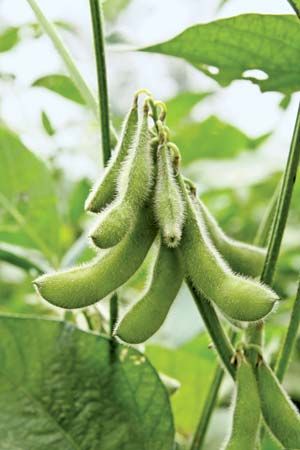
Soybeans (Glycine max) are distinguished from other legumes by their exceptional protein density and unique nutritional profile. While most legumes contain at least 20 percent protein, soybean meal is notably higher, consisting of 50 percent protein. Furthermore, the amino acid distribution of soy protein is biologically superior to most other vegetable sources, closely resembling that of animal protein.123
Unlike many other legumes, which are typically low in fat, soybeans contain approximately 17 percent oil, making them a major commercial source of edible oil. Additionally, because they contain no starch, they serve as a valuable protein source for diabetics.12
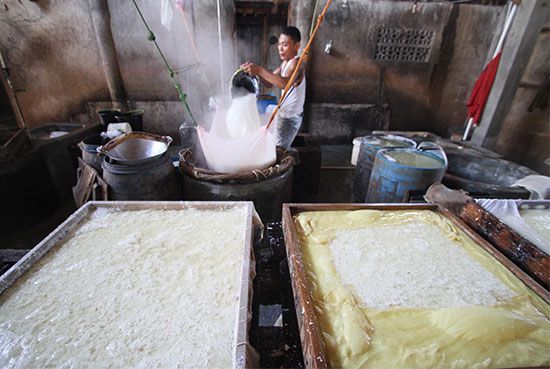
The versatility of the soybean is unmatched in the legume family. It is consumed in diverse forms, including soy milk, tofu, soy sauce, tempeh, and miso. Industrially, soy proteins are used as emulsifiers and binders in meat substitutes, while the oil is processed into products ranging from margarine to paints and fertilizers.13
How do soybeans fix nitrogen in the soil, and why is this important?
Soybeans fix nitrogen through a symbiotic relationship with soil-dwelling bacteria known as Rhizobium nitrogen-fixing bacteria. These bacteria invade the plant’s root hairs, stimulating the formation of root nodules—small enlargements where the bacteria and plant cells interact. Within these nodules, the bacteria convert atmospheric nitrogen gas ($N_2$) into ammonia, a compound the soybean plant can utilize for its own growth and development.45
This process is ecologically and agriculturally significant because atmospheric nitrogen is not directly available to most living organisms. By converting it into a usable form, soybeans help enrich the soil with nitrogen, which is an essential component of proteins and metabolism for all life.5
Historically, this made soybeans a vital crop for maintaining soil fertility in crop rotation systems. However, it is important to note that soybeans do not always leave nitrogen behind in the soil, as much of it is deposited as protein in the harvested seeds. Furthermore, in many modern industrial agricultural systems, the use of synthetic nitrogen fertilizers has largely replaced reliance on this biological fixation.561
How is the soybean plant cultivated, and what are its ideal growing conditions?
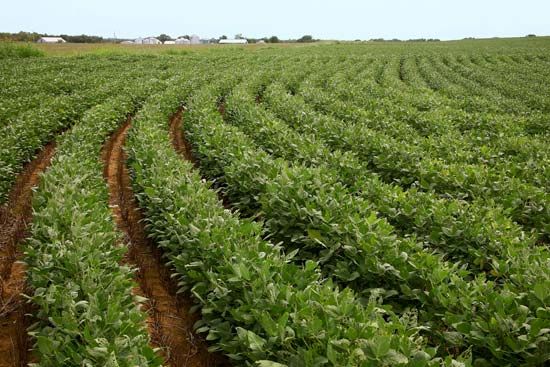
The soybean (Glycine max) is an erect, branching annual legume that can grow to over 2 meters (6.5 feet) in height. Cultivation practices have evolved significantly, particularly with the development of genetically modified varieties engineered for resistance to the herbicide glyphosate, which are now widely used in major producing nations like the United States.17
Ideal Growing Conditions
Soybeans are adaptable and can be grown in most types of soil, but they thrive best in warm, fertile, well-drained, sandy loam. The crop is typically planted after all danger of frost has passed to ensure optimal development.1
Cultivation and Harvest
- Planting and Breeding: Through hybridization and genetic engineering, farmers utilize varieties specifically adapted to local climates, with traits selected for high yield, disease resistance, and structural integrity to prevent lodging (breakage by wind or rain).7
- Harvesting: Soybeans are generally harvested mechanically. This process occurs after the leaves have fallen from the plant and the moisture content of the seeds has decreased to approximately 13 percent, which is the threshold required for safe storage.1
What are the major uses of soybeans in food production and industry?
The soybean is one of the world’s most versatile crops, serving as a vital source of protein for humans and animals while providing raw materials for numerous industrial applications.110
Food Production
Soybeans are a staple in many diets, particularly in East Asia, where they are consumed as soy milk, tofu, soy sauce, miso, tempeh, and fermented bean paste. Because they contain no starch, they are also valuable for diabetic diets.1
In the food industry, processed soybean oil is used to create margarine, shortening, and various vegetarian and vegan cheeses. Soybean meal and isolated proteins are frequently used as meat substitutes, binders, and emulsifiers in products like sausages, ice cream, baby foods, and bakery items, where they help improve dough texture and crumb softness.110
Industrial and Agricultural Uses
- Animal Feed: A significant portion of global soybean production, particularly in the United States, is processed into soybean meal for use as high-protein animal feed.110
- Chemical and Manufacturing: Soybean oil and meal are utilized in the production of paints, adhesives, fertilizers, linoleum backing, fire-extinguisher fluids, plastics, and synthetic protein fibers.1210
- Scientific Applications: Soybean derivatives are also used in fermentation media, such as for the production of antibiotics.2
Sources
- soybean — Encyclopædia Britannica
- Cereal processing - Soybean — Encyclopædia Britannica
- human nutrition - Legumes — Encyclopædia Britannica
- Fabaceae - Nitrogen fixation — Encyclopædia Britannica
- Nitrogen-fixing bacteria — Encyclopædia Britannica
- Agricultural technology - Crop rotation — Encyclopædia Britannica
- Origins of agriculture - The soybean — Encyclopædia Britannica
- Origins of agriculture - New crops and techniques — Encyclopædia Britannica
- cotton - Pests and diseases — Encyclopædia Britannica
- soybean oil meal — Merriam-Webster
Published on · 4 min read