Lerma River
The Lerma River is a vital waterway in west-central Mexico that serves as the foundation for the country's largest river system. While the river is not…
Are there any dams or hydroelectric projects on the Lerma River, and how do they impact the river system?
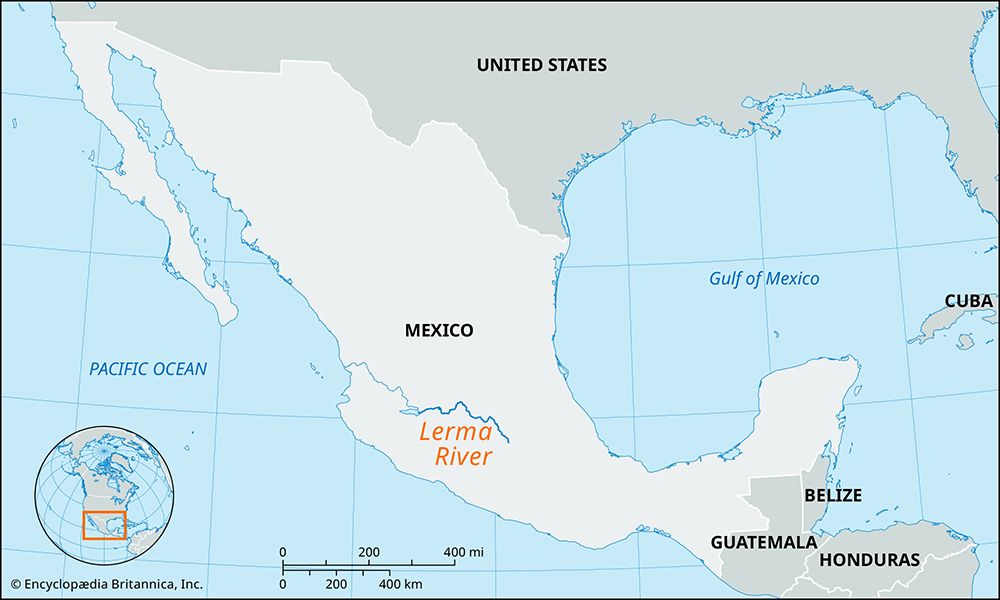
The Lerma River is a vital waterway in west-central Mexico that serves as the foundation for the country’s largest river system. While the river is not navigable, its waters are utilized extensively for hydroelectric generation and irrigation projects.1
These infrastructure developments are essential for supporting the large cities located along the river’s banks, particularly within the basins of Toluca, Guanajuato, and Jalisco. By channeling the river’s flow, these projects provide critical energy and water resources to these densely populated regions.1
How does the Lerma River connect to Lake Chapala, and what is the importance of this connection?
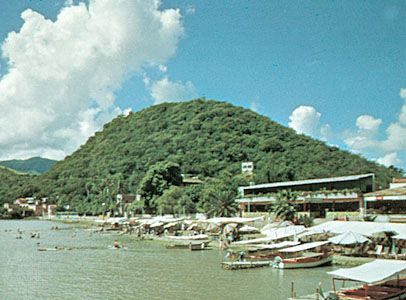
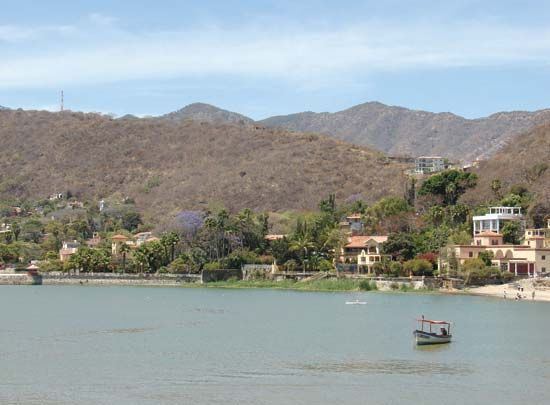
The Lerma River serves as the primary source of water for Lake Chapala, entering the lake from the east after a course of approximately 350 miles (560 km). This connection is fundamental to the region’s hydrology, as the lake acts as a central reservoir within Mexico’s largest river system.12
The importance of this link is twofold:
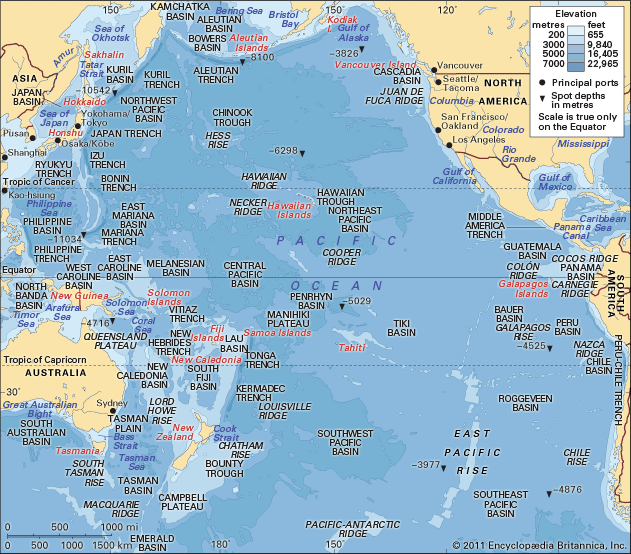
- Hydrological Continuity: The Lerma River and the Río Grande de Santiago function as a single, continuous system. The Santiago River acts as an extension of the Lerma, draining Lake Chapala from its northeastern side and carrying water 250 miles (400 km) northwestward to the Pacific Ocean northwestward to the Pacific Ocean.12
- Regional Resource Management: By feeding into Mexico’s largest natural lake, the Lerma provides the essential water volume necessary to support the surrounding basins, which are home to many large cities. The system is vital for hydroelectric power generation and irrigation, sustaining the agricultural and energy needs of the region.13
What types of wildlife and plant species can be found in and around the Lerma River?
Sorry, the Britannica knowledge base does not contain information regarding the specific types of wildlife and plant species found in and around the Lerma River.
What are some of the major cities and towns located along the Lerma River?
The Lerma River flows through several significant urban areas in west-central Mexico. Because the river traverses the Mesa Central, many large cities are situated within its basin, particularly in the states of México, Guanajuato, and Jalisco.1
Key cities and towns associated with the river and its immediate tributaries include:
- Toluca: Located near the river’s source, as the Lerma rises just 15 miles (24 km) southeast of this city.1
- La Barca: Situated near the river’s terminus, as the Lerma flows into Lake Chapala just 15 miles (24 km) west-southwest of this city.1
- Celaya: Located near the confluence of the Apaseo River—a major tributary of the Lerma—and the Laja River.4
- San Miguel de Allende: Positioned along the Laja River, which feeds into the Lerma system.4
- Dolores Hidalgo: Also located along the course of the Laja River.4
Sources
- Lerma River — Encyclopædia Britannica
- Lake Chapala — Encyclopædia Britannica
- Mexico - Drainage of Mexico — Encyclopædia Britannica
- Laja River — Encyclopædia Britannica
Published on · 2 min read