Lake Chapala
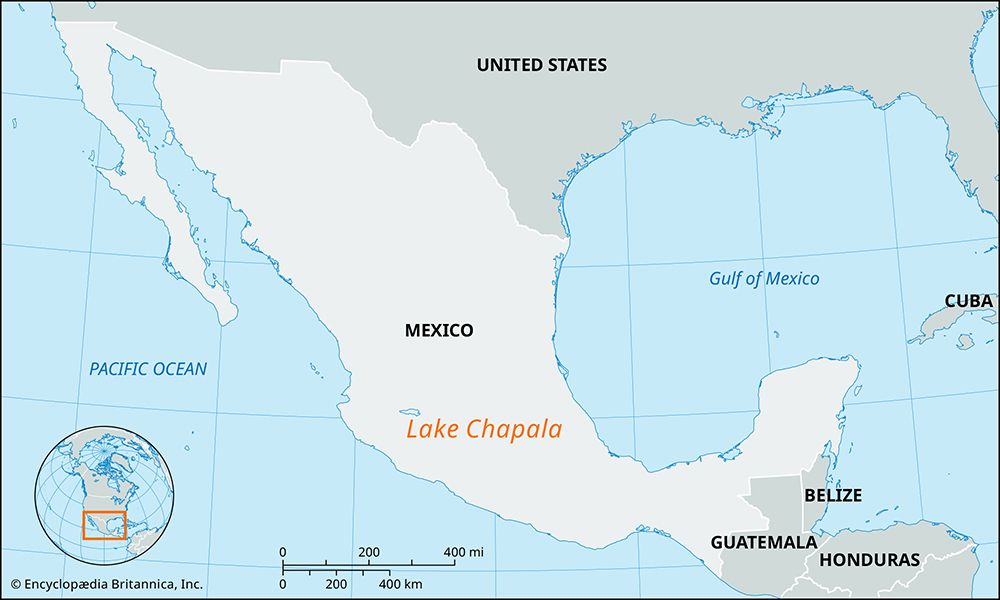
Lake Chapala is the largest lake in Mexico, located on the Mexican Plateau at an elevation of 6,000 feet (1,800 meters) within the states of Jalisco and…
What is Lake Chapala?
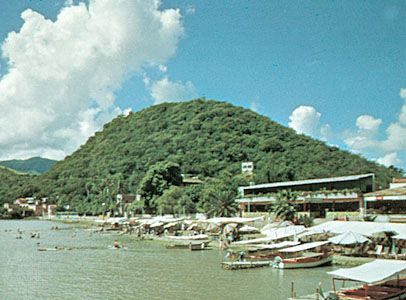
Lake Chapala is the largest lake in Mexico, located on the Mexican Plateau at an elevation of 6,000 feet (1,800 meters) within the states of Jalisco and Michoacán.12
Spanning approximately 417 square miles (1,080 square km), the lake is notably shallow and prone to water hyacinth infestations. It is primarily fed by the Lerma River and drained by the Río Grande de Santiago. Situated 30 miles (48 km) from Guadalajara, the area is renowned for its scenic beauty, pleasant climate, and fishing, making it a popular destination for tourism and, increasingly, for retirees.1
How does the Lerma River affect the lake’s ecosystem?
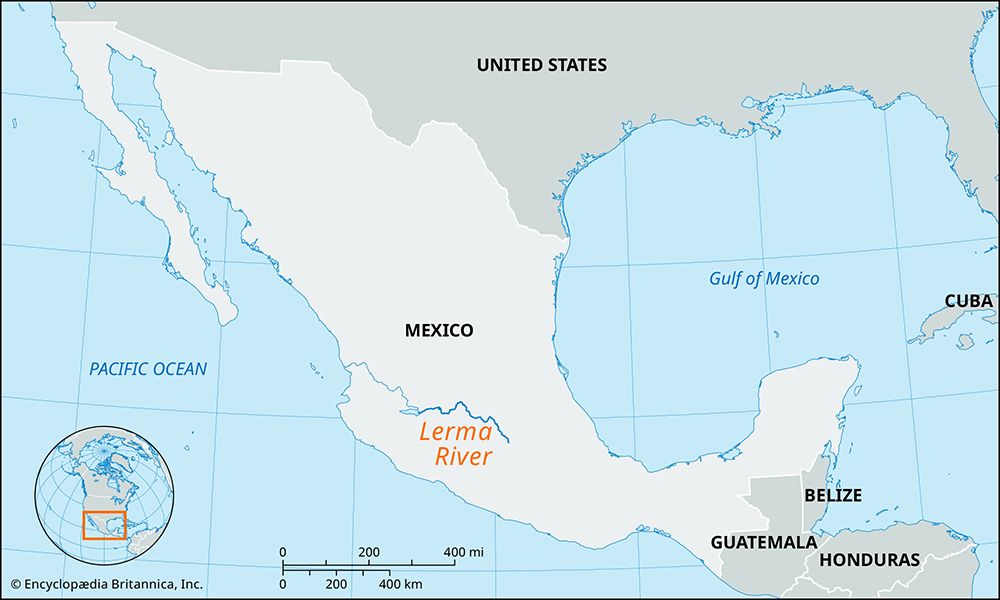
The Lerma River serves as the primary source of water for Lake Chapala, feeding into the lake from the east. As the main tributary of Mexico’s largest lake, the river is essential to the lake’s hydrology and overall water balance.31
While the river provides the necessary inflow to sustain the lake, the provided information does not detail specific ecological impacts, such as nutrient loading or pollution, resulting from the river’s course through industrial and urban basins. The lake itself is noted for being very shallow and susceptible to infestations of water hyacinth, which can significantly affect its local ecosystem.31
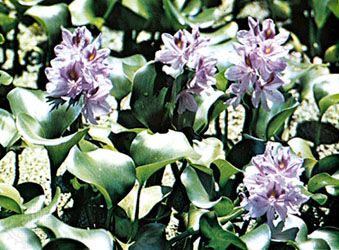
Why are water hyacinths considered a problem for the lake?
Water hyacinths are considered problematic because they reproduce rapidly, forming dense mats that can clog waterways. In various aquatic ecosystems, these infestations cause significant disruptions:4
- Navigation: The thick vegetation hinders boat travel, making it difficult for vessels to navigate through infested areas.5
- Economic Impact: By obstructing water surfaces, they threaten the stability of local fishing-based economies.5
- Infrastructure: The plants can interfere with the generation of hydroelectric power by blocking water flow and intake systems.5
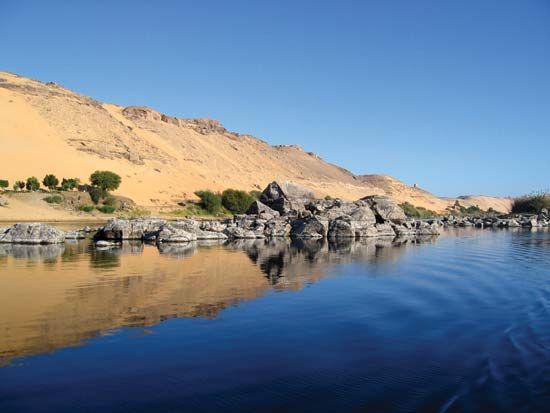
While Lake Chapala is specifically noted for its susceptibility to these infestations due to its shallow nature, the challenges posed by the plant are consistent with its behavior as an invasive species in other major river systems, such as the Nile.51
What makes the climate around Lake Chapala so popular?
The climate around Lake Chapala is widely regarded as pleasant, a key factor that has contributed to the area’s popularity as a resort destination and a significant retirement center for citizens from the United States.
While the provided information highlights the lake’s scenic setting and agreeable weather as primary draws, it does not specify the exact meteorological data or atmospheric conditions that define this climate. The region’s appeal is further bolstered by its location on the Mexican Plateau at an elevation of 6,000 feet (1,800 meters), which influences the local environment, alongside the presence of picturesque villages and recreational opportunities like fishing.1
Sources
- Lake Chapala — Encyclopædia Britannica
- Chapala, Lake — Merriam-Webster
- Lerma River — Encyclopædia Britannica
- Water hyacinth — Encyclopædia Britannica
- 11 Fascinating Nile River Plants and Animals — Encyclopædia Britannica
Published on · 2 min read