Lettuce
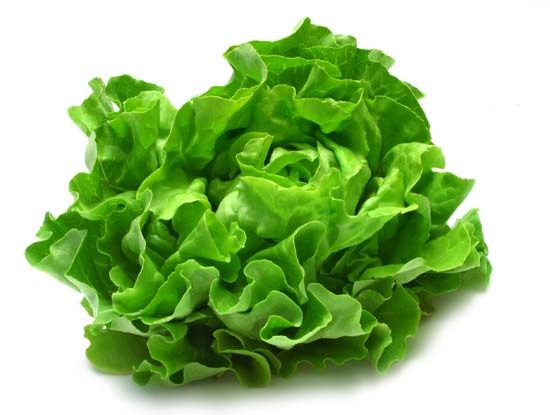
There are four primary botanical varieties of lettuce (Lactuca sativa), each distinguished by its unique growth habit and texture:
What are the different types of lettuce and their characteristics?
There are four primary botanical varieties of lettuce (Lactuca sativa), each distinguished by its unique growth habit and texture:
- Celtuce (Asparagus lettuce): Characterized by narrow leaves and a thick, succulent, edible stem.1
- Head (Cabbage) lettuce: Features leaves folded into a compact head. This variety is divided into two classes:
- Leaf (Curled) lettuce: Grows as a rosette of leaves that may be curled, finely cut, smooth-edged, or oak-leaved in shape.1
- Cos (Romaine) lettuce: Distinguished by smooth leaves that form a tall, oblong, and relatively loose head.1
While these varieties range in color from green to deep red and purple, they are generally harvested before the plant flowers, or bolts, to avoid a bitter flavor.1

What are the nutritional benefits of eating lettuce?
Lettuce is a valuable component of a healthy diet, serving as a rich source of vitamins K and A. While nutritional quality varies depending on the specific variety, lettuce generally contributes essential nutrients to the human diet, including dietary fiber, minerals, and various vitamins.12
For example, raw iceberg lettuce provides a low-calorie option that contains water, carbohydrates, protein, and small amounts of vitamins and minerals. The following table highlights the approximate nutrient composition per 100 grams of raw iceberg lettuce:2
Nutrient
Amount
Energy
13 kcal
Water
95.89 g
Carbohydrate
2.09 g
Protein
1.01 g
Vitamin A
330 IU
Vitamin C
3.9 mg
It is important to note that actual nutrient levels can fluctuate significantly based on growing conditions, harvest timing, and storage methods.2
What are some unique varieties of lettuce found in different parts of the world?
While lettuce is a globally cultivated crop, certain varieties are particularly notable for their unique characteristics and regional usage:
- Celtuce (Asparagus lettuce): Primarily valued for its thick, succulent, edible stem rather than just its leaves, this variety is a hybrid of celery and lettuce. It offers a distinct flavor profile that combines the characteristics of both plants.13
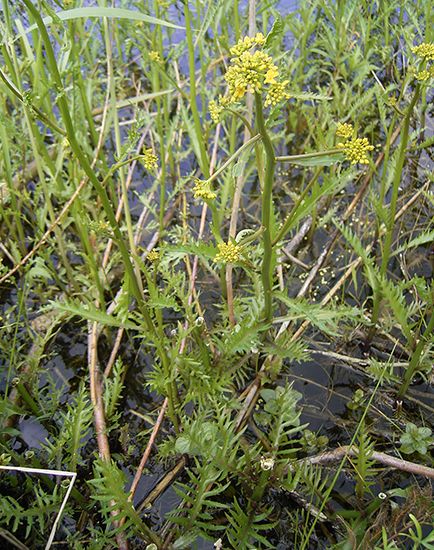
- Indian Lettuce: This term refers to several distinct plants, including a perennial Asian wild lettuce with long, thin leaves that are consumed either raw or cooked, and the North American plant known as miner’s lettuce.4
- Crisphead (e.g., Iceberg): While widely grown, these are specifically adapted for long-distance shipping, making them the most popular variety in the United States compared to other regions where more delicate types are preferred.1
- Cos (Romaine) and Leaf Varieties: These are highly popular in many parts of the world. Because some of these types are difficult to transport, they are frequently grown on local truck farms or market gardens to ensure freshness for nearby consumers.1
We could dive deeper into the history of how these varieties were domesticated or explore the specific climate requirements for growing them.
How is lettuce cultivated, and what are the optimal growing conditions?
Lettuce (Lactuca sativa) is a cool-season annual crop that thrives in environments where the mean daily temperature remains below 70°F (21°C).15
Optimal Growing Conditions
- Temperature: Lettuce is sensitive to temperature extremes. Exposure to high temperatures (70°–80°F or 21°–27°C) can prevent head formation and trigger “bolting,” a process where the plant prematurely produces a flower stalk, which reduces leaf size and imparts a bitter flavor.15
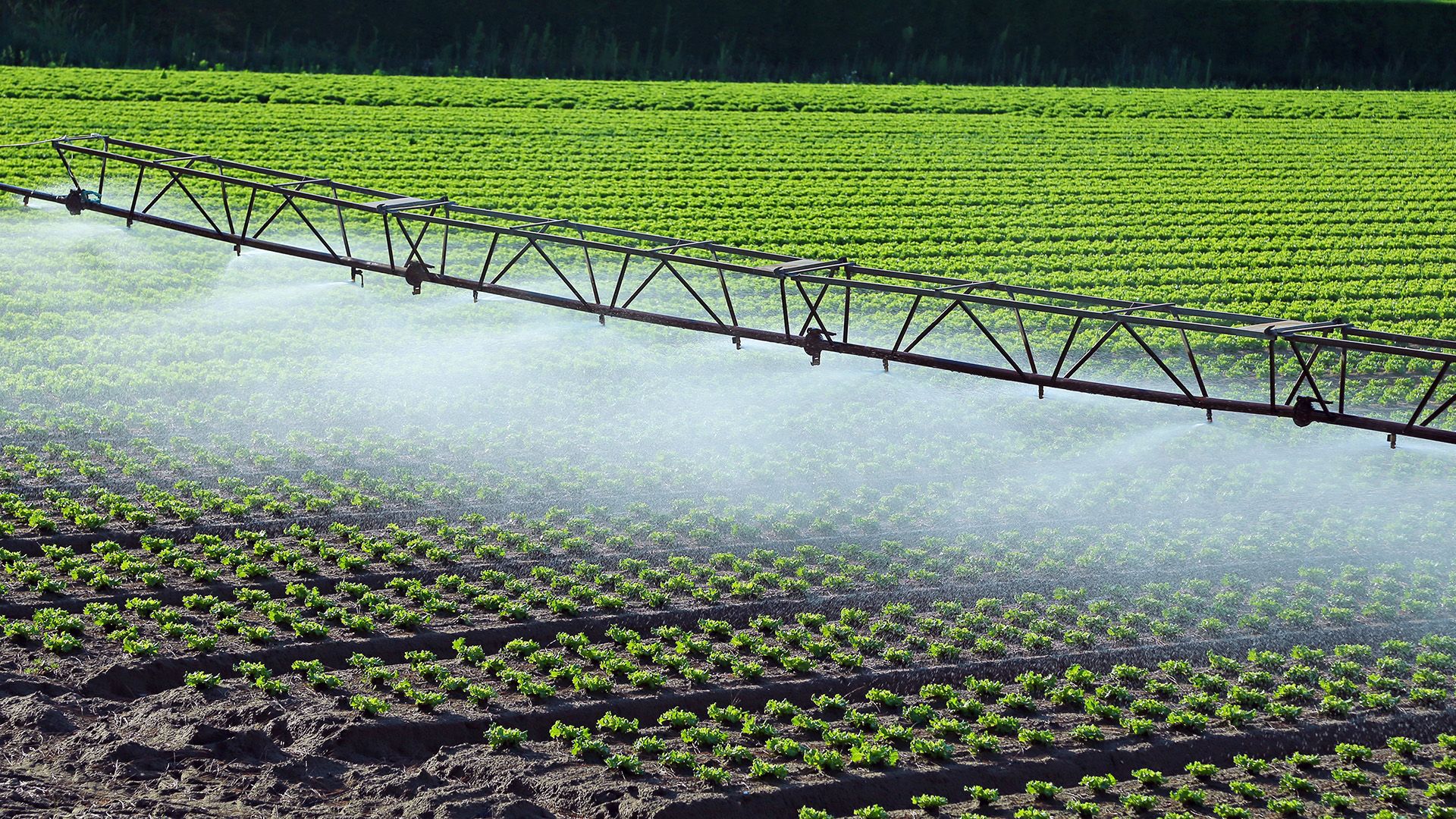
- Water: The crop requires ample water, particularly during warmer weather, to maintain quality and growth.1
- Protection: In unseasonable weather, growers often use greenhouses, frames, cloches, or polyethylene covers to stimulate growth and protect the plants.1
Cultivation and Care
Successful production relies on proactive management:
- Disease and Pest Control: Growers often utilize disease-resistant varieties, which is considered the most effective method for managing plant diseases. Chemical insecticides may be used to manage insect populations.6
- Harvesting: Lettuce must be harvested before flowering occurs to ensure the best flavor and texture. Post-harvest, the crop is typically cooled immediately to remove field heat, then sorted and washed to maintain freshness.17
Sources
- Lettuce — Encyclopædia Britannica
- vegetable processing - Nutritional value — Encyclopædia Britannica
- celtuce — Merriam-Webster
- Indian lettuce — Merriam-Webster
- vegetable processing - Harvesting and storing — Encyclopædia Britannica
- Vegetable farming - Temperature — Encyclopædia Britannica
- Vegetable farming - Disease and insect control — Encyclopædia Britannica
Published on · 3 min read