Mulberry
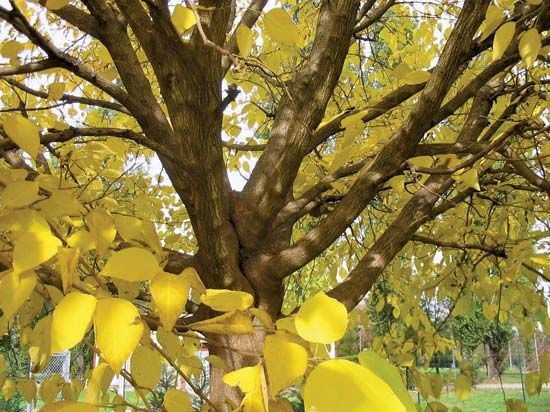
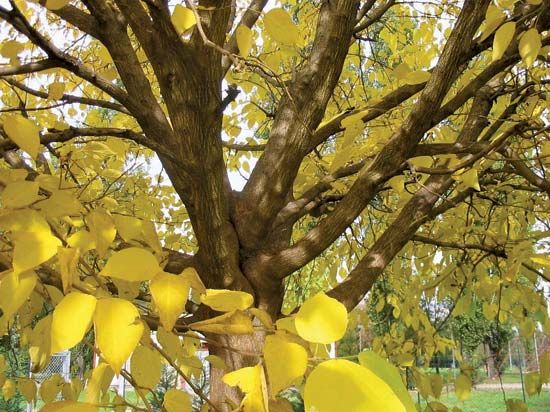
The mulberry belongs to the genus Morus, which comprises approximately 10 species of small to medium-sized trees within the family Moraceae.
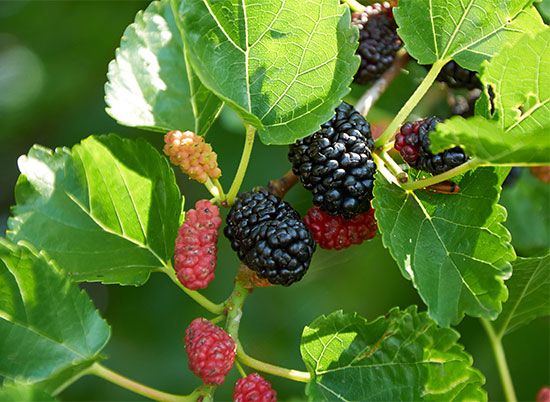
How many species of mulberry exist, and where are they commonly found?
The mulberry belongs to the genus Morus, which comprises approximately 10 species of small to medium-sized trees within the family Moraceae.1
These trees are native to temperate regions of Asia and North America. While they originate in these areas, several species have been widely cultivated and naturalized elsewhere. For example, the white mulberry is native to Asia but has been long cultivated in southern Europe and is now naturalized in eastern North America. Similarly, the black mulberry originated in western Asia and spread through early cultivation to Europe and, subsequently, North America.1
It is important to distinguish the genus Morus from other members of the Moraceae family, such as the paper mulberry, which is a separate species (Broussonetia papyrifera) native to Asia.23
What are the traditional and modern uses of mulberry plants?
Mulberry plants, belonging to the genus Morus, have served diverse human needs throughout history and continue to be utilized in modern times.
Traditional and Modern Uses
- Sericulture: The most historically significant use of the white mulberry is as the primary food source for silkworms. While the black mulberry was once used for this purpose in Italy, it was largely superseded by the white mulberry by the 15th century.1
- Culinary Applications: Many species are cultivated for their sweet, edible fruits, which resemble blackberries. The black mulberry is particularly prized for its large, juicy, purple-black fruit, which is often considered superior in flavor to the red mulberry.13
- Landscaping and Forestry: Mulberries are frequently used as ornamental trees. Specific varieties, such as the weeping mulberry, are popular in lawns, while the cold-resistant Russian mulberry is utilized for shelterbelts and local timber production.1
- Industrial Materials: The red mulberry is noted for its soft, durable wood. Additionally, the related paper mulberry is valued for its inner bark, which is used in papermaking and to create tapa cloth.34
How do mulberry plants play a role in silk production?
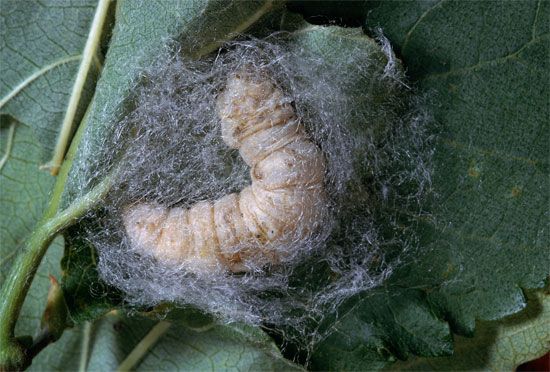
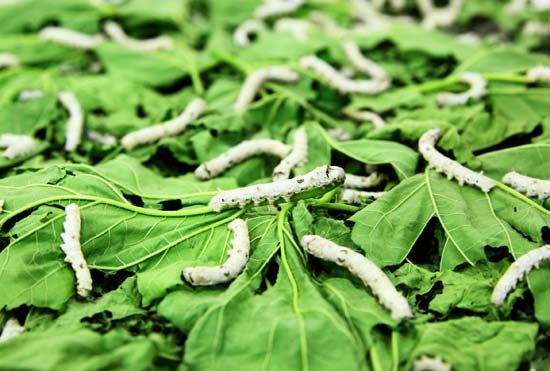
Mulberry plants are essential to sericulture, the process of producing raw silk. The industry relies on the white mulberry (Morus alba), which is the favored food source for the silkworm (Bombyx mori).56
The role of the mulberry in this process includes:
- Nutritional Support: Silkworm caterpillars have voracious appetites and feed primarily on mulberry leaves to grow and develop during their 45-day growing period.6
- Foundation for Production: Successful sericulture requires the dedicated cultivation of mulberry trees to ensure a consistent food supply for the larvae.7
- Cocoon Formation: After feeding on the leaves, the silkworm reaches the stage where it spins a cocoon. This cocoon is constructed from a long, continuous filament of fibroin protein, which is the raw material for silk textiles.87
While silkworms can consume other foliage, such as lettuce or Osage orange, the mulberry remains the standard for commercial silk production.6
How are mulberry leaves used in the silk industry?
In the silk industry, mulberry leaves serve as the primary nutritional source for silkworm larvae (Bombyx mori). These caterpillars possess voracious appetites and rely on the leaves to fuel their growth over a 45-day period, during which they reach a length of up to 75 mm (3 inches).6
While silkworms can consume other foliage, such as lettuce or Osage orange, the white mulberry (Morus alba) is the favored species for commercial sericulture. Historically, the black mulberry was also used for this purpose, particularly in Italy until the 15th century, when it was largely superseded by the white mulberry. By providing essential nutrients, these leaves enable the silkworm to develop and eventually spin the continuous silk filament used to create silk textiles.651
Sources
- mulberry — Encyclopædia Britannica
- list of plants in the family Moraceae — Encyclopædia Britannica
- Paper mulberry — Encyclopædia Britannica
- red mulberry — Merriam-Webster
- white mulberry — Merriam-Webster
- silkworm moth — Encyclopædia Britannica
- How is silk made? — Encyclopædia Britannica
- sericulture — Encyclopædia Britannica
Published on · 3 min read