Yellow Cress
Yellow cress refers to plants within the genus Rorippa, which belongs to the mustard family (Brassicaceae). Comprising approximately 85 species, these plants…
What is yellow cress?
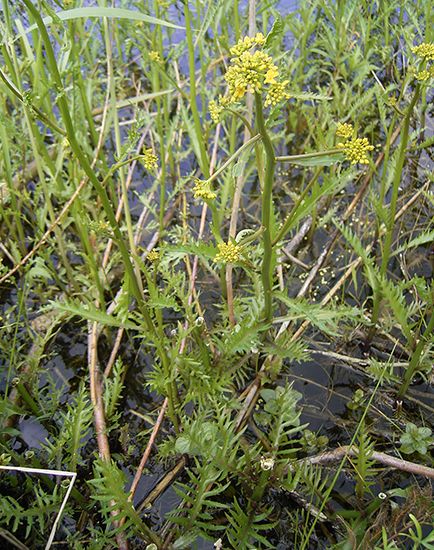
Yellow cress refers to plants within the genus Rorippa, which belongs to the mustard family (Brassicaceae). Comprising approximately 85 species, these plants are primarily found in the Northern Hemisphere, typically thriving in marshes and other moist environments. They are characterized by their small, four-petaled flowers, which are usually yellow or white.12
The genus includes a variety of species with different growth habits:
- Marsh cress (R. palustris): An annual plant that has naturalized globally in wetland areas.1
- Great yellow cress (R. amphibia) and creeping yellow cress (R. sylvestris): These are considered invasive species in North America.1
- Lakecress (R. aquatica): A perennial species frequently utilized in aquariums.1
The term is sometimes also used to describe winter cress.2
What are the defining characteristics of the mustard family?
The mustard family, known as Brassicaceae (or sometimes Cruciferae), is a major group of flowering plants comprising over 350 genera and 4,100 species. These plants are primarily herbs that can be annuals, biennials, or perennials, typically found in temperate and tropical montane regions.34
Defining Characteristics
- Flowers: The family is famously known as “crucifers” because their flowers are cruciform, or cross-shaped, featuring four petals and four sepals. They typically possess six stamens—four long and two short—and a two-chambered ovary.34
- Fruits: Seeds are produced in dry, podlike fruits. Long, thin fruits are classified as siliques, while short, rounded ones are known as silicles.35
- Chemical Composition: A hallmark of the family is the presence of glucosinolates, or sulfur-containing compounds. These “mustard oils” provide the characteristic pungent taste and smell that define many culinary members of the family.34
- Leaves: The leaves are generally simple and arranged alternately along the stem.35
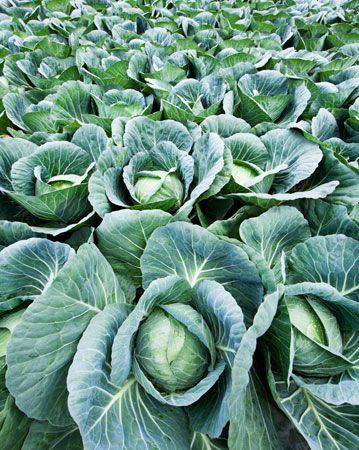
The family includes significant agricultural crops like cabbage, broccoli, radish, and turnip, as well as various ornamental species.36
How do invasive species like creeping yellow cress affect local ecosystems?
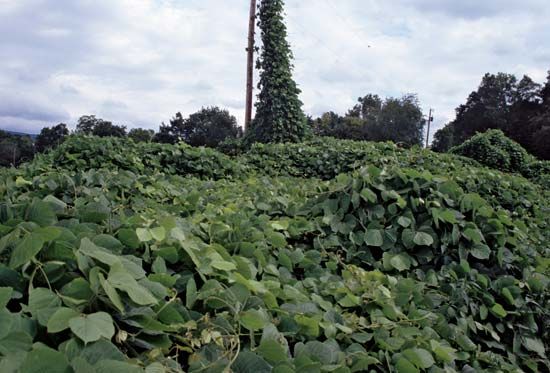
Invasive species, such as creeping yellow cress (Rorippa sylvestris), pose a significant threat to local ecosystems by disrupting the balance of native habitats. When non-native plants are introduced—whether intentionally or accidentally—they often lack natural predators or competitors, allowing them to spread rapidly and outcompete indigenous flora for essential resources like sunlight, water, and nutrients.17
This displacement can have cascading effects on the broader food web. Invasive plants may form dense thickets that are unpalatable or inaccessible to local wildlife, effectively reducing the available habitat and food sources for native species. By altering the community structure, these invaders can lead to a decline in biodiversity and diminish the overall resilience of the ecosystem against other environmental stressors, such as climate change or pollution. Protecting native ecosystems from such biological invasions is a critical ethical responsibility, as it preserves the integrity of natural environments and the complex life forms they support.7
What is the difference between annual and perennial plants?
The primary difference between annual and perennial plants lies in the duration of their life cycles and their ability to persist across multiple growing seasons.
Annual Plants
An annual is a plant that completes its entire life cycle—from germination to seed production and death—within a single growing season. Because the plant dies after one season, the only part that survives to the next year is the dormant seed10. Many essential food crops, such as cereal grains, peas, and lettuce, are annuals.89
Perennial Plants
A perennial is a plant that lives for an indefinite number of years, regrowing and reblooming season after season. While woody plants like trees and shrubs are perennials, many herbaceous perennials survive winter by using underground storage structures like bulbs, rhizomes, or tubers, even if their aboveground growth dies back in autumn.81011
Some plants, such as tomatoes, are technically perennials in their native tropical climates but are often cultivated as annuals in temperate zones because they cannot survive the cold.911
Sources
- yellow cress — Encyclopædia Britannica
- yellow cress — Merriam-Webster
- Brassicaceae — Encyclopædia Britannica
- list of economically important members of the family Brassicaceae — Encyclopædia Britannica
- brassica — Encyclopædia Britannica
- Brassicales - Brassicaceae , Capparaceae, and Cleomaceae — Encyclopædia Britannica
- Wetland - Disturbances caused by humans — Encyclopædia Britannica
- Is That Plant 'Perennial' or 'Annual'? — Merriam-Webster
- Perennial — Encyclopædia Britannica
- Annual — Encyclopædia Britannica
- life span - Perennials — Encyclopædia Britannica
Published on · 3 min read