Pollution
Water pollution stems from a variety of sources, broadly categorized as point sources—such as industrial discharge pipes or municipal sewerage systems—and…
What are the primary sources of water pollution, and how does it affect marine life?
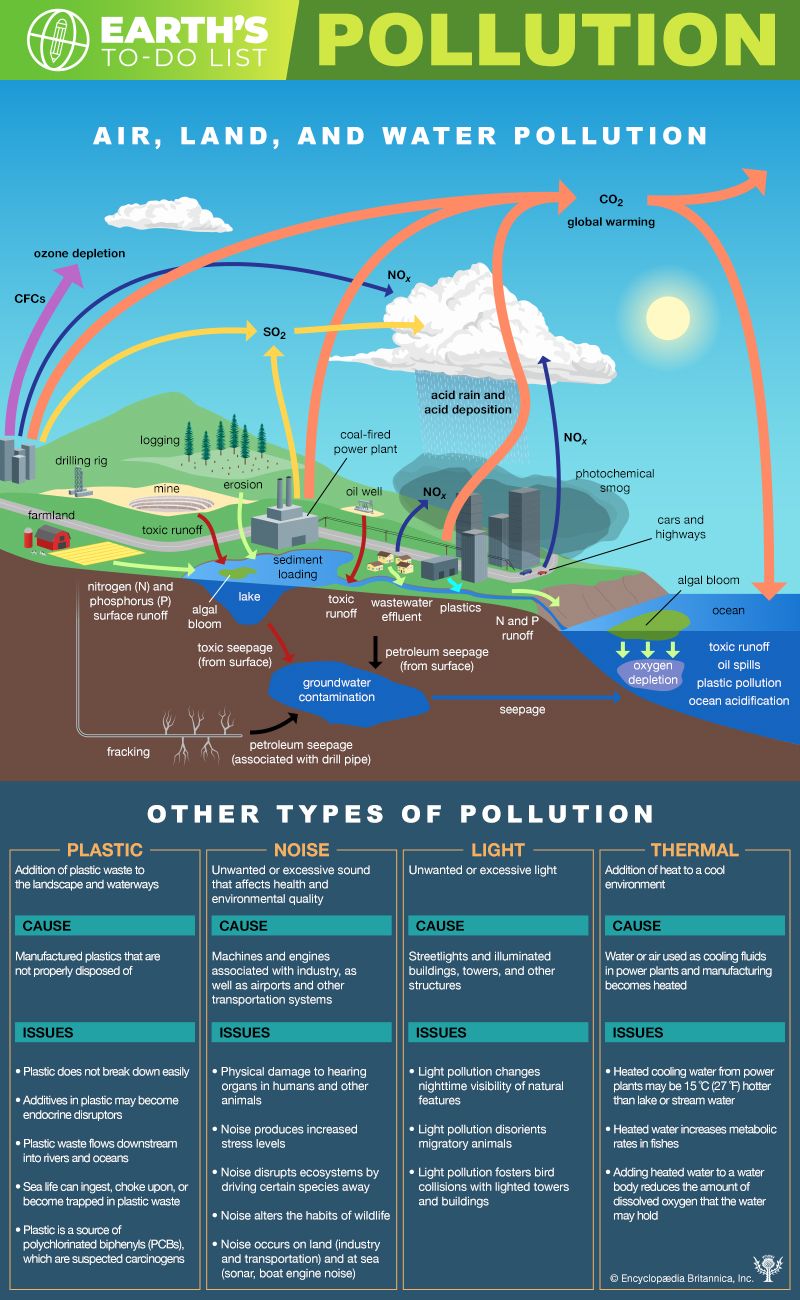
Water pollution stems from a variety of sources, broadly categorized as point sources—such as industrial discharge pipes or municipal sewerage systems—and dispersed (nonpoint) sources, including agricultural runoff, urban stormwater, and atmospheric deposition. Common pollutants include fertilizers, pesticides, microplastics, petroleum, and heated industrial water.12
These substances profoundly disrupt marine ecosystems:
- Eutrophication: Excess nutrients from fertilizers trigger massive algal blooms. As these blooms decompose, they deplete dissolved oxygen, creating “dead zones” where marine life cannot survive.345
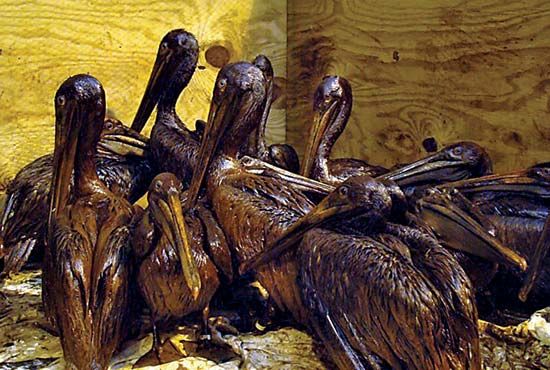
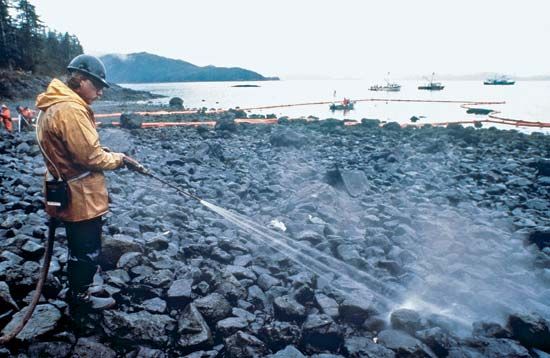
- Toxicity and Physical Harm: Oil spills coat marine animals, destroying their insulation and waterproofing, while ingested toxins can cause long-term health issues.36
- Plastic Pollution: Marine species often mistake plastic for food or become entangled in debris, leading to injury or death. Furthermore, plastics concentrate harmful chemicals that bioaccumulate and biomagnify through the food chain.73
- Habitat Degradation: Sedimentation can bury habitats, while thermal pollution from power plants reduces oxygen levels, stressing sensitive species.32
How does air pollution impact human health and the ecosystem?
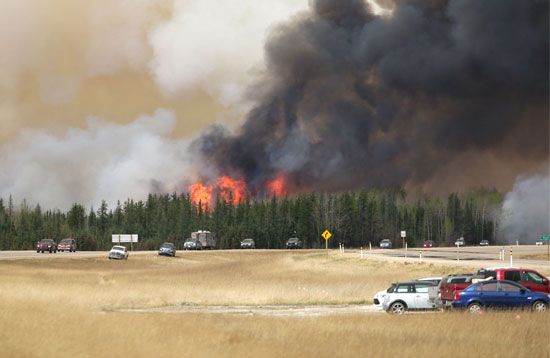
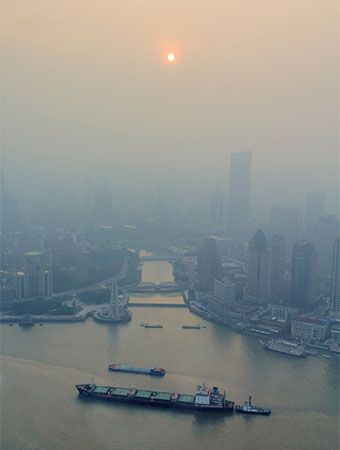
Air pollution, defined as the release of gases, solids, or aerosols into the atmosphere beyond the environment’s natural capacity to absorb them, poses significant risks to both human health and global ecosystems.8
Impact on Human Health
Air pollution is a leading environmental health risk, affecting approximately 99 percent of the global population. It primarily impacts the respiratory and cardiovascular systems:8
- Respiratory Issues: Pollutants like sulfur dioxide and particulate matter cause airway inflammation, leading to bronchitis and asthma exacerbation. Fine particulates (PM2.5PM_{2.5}) can penetrate deep into the lungs, potentially causing lung cancer.910
- Cardiovascular Effects: Exposure is linked to irregular heartbeats, heart attacks, and strokes.98
- Systemic Damage: Carbon monoxide impairs cognitive function and worsens heart disease, while lead exposure can cause neurological problems and learning disabilities.911
Impact on the Ecosystem
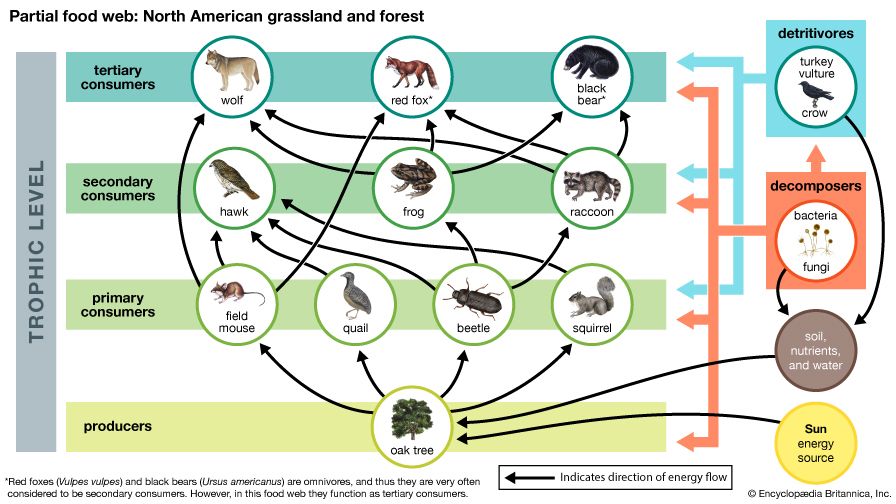
Air pollution causes widespread “impoverishment” of natural communities by simplifying food webs and favoring rapidly reproducing organisms:12
- Acid Rain: Emissions of sulfur and nitrogen oxides create acid rain, which acidifies freshwater systems, kills fish populations, and damages forests and soils.1312
- Vegetation Damage: Pollutants like ozone interfere with plant respiration, while others cause tissue degeneration or growth retardation in crops and trees.1114
- Biodiversity Loss: Chronic exposure can eliminate sensitive species, such as lichens, and in extreme cases, leave areas devoid of higher plants.12
How do international agreements and policies address global environmental pollution issues?
International agreements address global pollution by fostering cooperation through the United Nations, which serves as the primary forum for establishing environmental agendas. These efforts result in “hard law” (binding treaties like the Kyoto Protocol) and “soft law” (nonbinding resolutions and declarations).1617
Key strategies include:
- Regulatory Frameworks: Treaties such as the Montreal Protocol mandate the phase-out of harmful substances, such as ozone-depleting chemicals, with differentiated schedules for developed and developing nations to account for resource disparities.1817
- Market-Based Instruments: Mechanisms like carbon-emission trading (cap-and-trade) allow polluters to choose between investing in emission reductions or purchasing permits, ensuring efficiency.16
- Cooperative Mechanisms: Agreements often incorporate technology transfer, financial assistance, and joint implementation projects to help nations meet environmental targets.1619
- Monitoring and Assessment: Organizations like the United Nations Environment Programme facilitate data exchange and provide technical assistance to monitor compliance and environmental risks.17
Despite these efforts, enforcement remains a significant challenge. Because international law often respects national sovereignty, compliance is frequently treated as a domestic issue, and sanctions are rarely effective. Nevertheless, these agreements remain essential for addressing environmental problems that transcend political borders.1916
How does soil pollution impact agriculture and food security?
Soil pollution significantly threatens global agriculture and food security by degrading the quality of arable land and contaminating the food supply.
Impact on Agricultural Productivity
Pollutants such as pesticides, industrial chemicals, and excess salts disrupt soil health, often rendering land unusable for crop production.2223
- Salinization: In arid regions, irrigation and fertilization can cause salt accumulation, which interferes with plant water uptake and stunts growth.2324
- Degradation: Aggressive farming practices, including excessive tilling, lead to soil erosion and nutrient depletion. Currently, one-third of the world’s soil is moderately to highly degraded, forcing the conversion of natural ecosystems into farmland to maintain output.24
Risks to Food Security and Safety
Contaminated soil directly impacts human health through the food chain:
- Chemical Residues: Persistent chemicals, such as insecticides and herbicides, can be absorbed by crops. For example, residues in soil have been found to contaminate dairy products when livestock consume affected feed.22
- Toxicity: High levels of nitrates from fertilizers can leach into groundwater, posing severe health risks like “blue baby syndrome” when consumed.2523
- Nutritional Quality: Crops grown in degraded, nutrient-poor soil are often less nutritious, directly undermining food security.24
Sources
- water pollution: Top Questions — Encyclopædia Britannica
- oil spill - Oil-spill damage — Encyclopædia Britannica
- plastic pollution - Plastic pollution in oceans and on land — Encyclopædia Britannica
- water pollution - Types and sources of water pollutants — Encyclopædia Britannica
- conservation - Pollution — Encyclopædia Britannica
- river - Environmental problems attendant on river use — Encyclopædia Britannica
- wastewater treatment - Sources of water pollution — Encyclopædia Britannica
- air pollution: Top Questions — Encyclopædia Britannica
- hydrosphere - Acid rain — Encyclopædia Britannica
- air pollution - Criteria pollutants — Encyclopædia Britannica
- air pollution — Encyclopædia Britannica
- plant - Changes in biosystems: pollution — Encyclopædia Britannica
- Agricultural technology - Air pollution damage to agriculture — Encyclopædia Britannica
- Agricultural technology - Air pollution by agriculture — Encyclopædia Britannica
- air pollution - Fine particulates — Encyclopædia Britannica
- environmental policy - Global policy agreements — Encyclopædia Britannica
- Montreal Protocol — Encyclopædia Britannica
- United Nations Environment Programme — Encyclopædia Britannica
- Paris Agreement - Negotiations and agreement — Encyclopædia Britannica
- Environmental law - Current trends and prospects — Encyclopædia Britannica
- International law - Protection of the environment — Encyclopædia Britannica
- Agricultural technology - Chemicals — Encyclopædia Britannica
- Agricultural technology - Pollutants damaging to agriculture — Encyclopædia Britannica
- Agricultural technology - Plant nutrients — Encyclopædia Britannica
- soil - Pathways of detoxification — Encyclopædia Britannica
- soil - Xenobiotic chemicals — Encyclopædia Britannica
- Could We Lose All the Soil on Earth? — Encyclopædia Britannica
Published on · 4 min read