Lime
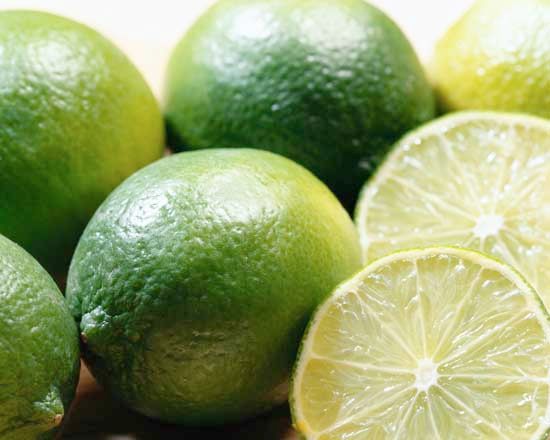
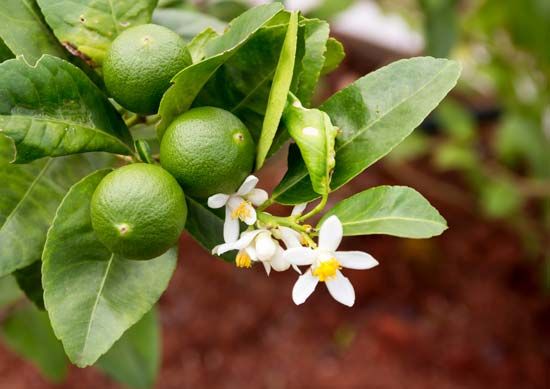
Limes are various species and hybrids within the Citrus genus, typically grown in tropical and subtropical regions for their acidic, edible fruits.
What are the main types of lime trees and fruits in the Citrus genus?
Limes are various species and hybrids within the Citrus genus, typically grown in tropical and subtropical regions for their acidic, edible fruits.1
The primary types of limes include:
- Persian lime (Citrus ×latifolia): One of the most common commercial varieties.1
- Key lime (C. ×aurantifolia): Also known as the Mexican lime, this smaller fruit is economically significant in many regions.1
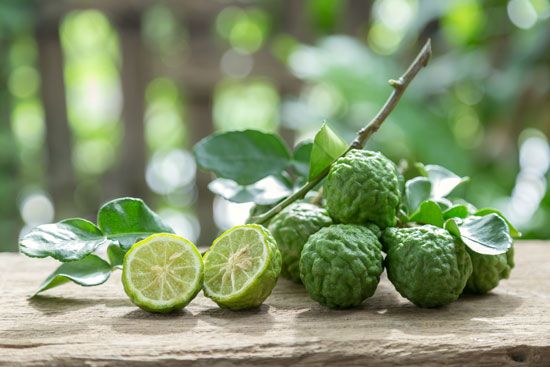
- Thai lime (C. hystrix): Also called the makrut lime, its fruit and leaves are used for flavoring in Southeast Asian cuisine and in perfumery.1
- Sweet lime (C. limetta): A less tart variety commonly cultivated in the Mediterranean.1
- Mandarin lime (C. ×limonia): Often called the Rangpur lime, this is considered a lemon-mandarin orange hybrid and is frequently used for marmalade.1
- Finger lime (C. australasica): A native Australian crop known for its distinct juice vesicles, often referred to as “lime caviar”.1
While most limes are acidic, some varieties, known as sweet limes, contain very little citric acid.1
What are the nutritional benefits and culinary uses of lime fruits?
Limes are highly valued for both their nutritional content and their versatility in global cuisine.
Nutritional Benefits
Limes are a notable source of vitamin C (ascorbic acid), which historically made them essential for preventing scurvy among sailors in the British navy. Beyond their vitamin content, some studies indicate that the leaves and fruit of certain varieties, such as the makrut lime, possess antioxidant, anti-inflammatory, and antibacterial properties, leading to their traditional use in treating conditions like hypertension, diabetes, and heart disease.12
Culinary Uses
Limes are widely used to add acidity and flavor to a variety of dishes and beverages:
- Flavoring: Lime juice is a staple for flavoring drinks, confections, and various foods, offering a distinct bouquet compared to lemons.1
- Cooking: They are key ingredients in pickles, chutneys, and curry pastes. In Southeast Asian cuisines, the leaves of the makrut lime are frequently used as an aromatic in soups, curries, and salads.12
- Processing: The fruit can be concentrated, dried, frozen, or canned. Additionally, lime oil extracted from the peel is used in food production and perfumery, while citric acid is prepared from the fruit for various industrial applications.12
How do limes differ from other citrus fruits like lemons and oranges?
Limes are distinct from other Citrus fruits like lemons and oranges in several key physical and chemical characteristics.
Physical and Chemical Differences
- Flavor and Bouquet: Lime-flavored products possess a distinct flavor and bouquet compared to those made from lemons. While both fruits are acidic, most limes contain higher levels of both acid and sugar than lemons.1
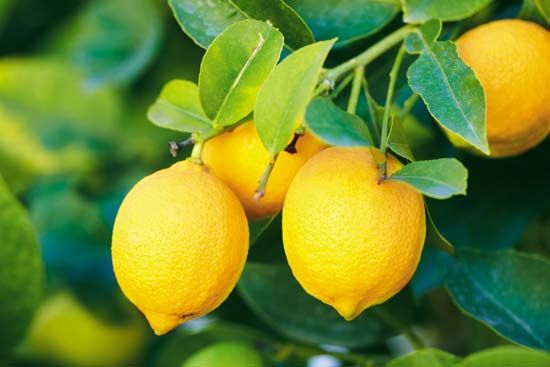
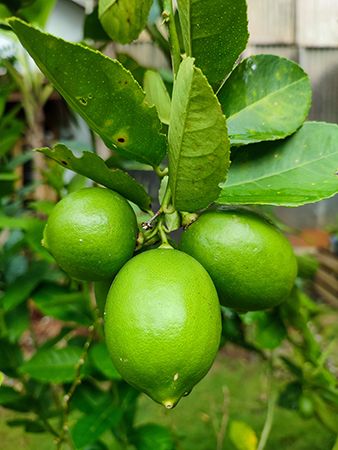
- Fruit Morphology: Limes are generally smaller than lemons, typically measuring 3 to 4 cm (1 to 1.5 inches) in diameter, whereas commercial lemons are often around 50 mm (2 inches). Lime peels are typically thin and greenish-yellow when ripe, while lemon peels are thicker and turn a distinct yellow.13
- Tree Characteristics: Lime trees are smaller, seldom exceeding 5 meters (16 feet) in height, and often have a shrublike, irregular growth habit with many small, sharp thorns. In contrast, lemon trees can grow up to 6 meters (20 feet) and have different leaf characteristics, such as the reddish tint found on young lemon leaves.13
While all these fruits are classified as hesperidiums—a type of modified berry with segmented, juice-filled pulp—their specific chemical compositions and culinary applications remain unique to their varieties.143
What is the origin and distribution of lime trees around the world?
Lime trees are believed to have originated in the Indonesian archipelago or the nearby mainland of Asia.1
Their global distribution occurred through several historical stages:
- Early Expansion: Arabian traders are credited with transporting limes and lemons from India to the eastern Mediterranean and Africa around 1000 CE.1
- European Introduction: Returning Crusaders brought the trees to western Mediterranean countries during the 12th and 13th centuries.1
- The Americas: Christopher Columbus introduced citrus seeds, likely including limes, to the West Indies during his second voyage in 1493. From there, they spread rapidly throughout the West Indies, Mexico, and Florida.1
Today, lime trees are cultivated in practically all citrus-growing regions worldwide, thriving in tropical and subtropical climates. While most varieties are grown for their acidic fruit, specific types like the sweet lime are cultivated in Egypt and other tropical nations, and finger limes are native to Australia.1
Sources
- Lime — Encyclopædia Britannica
- Kaffir lime — Encyclopædia Britannica
- Citrus — Encyclopædia Britannica
- Lemon — Encyclopædia Britannica
Published on · 3 min read