Malpighiales
Malpighiales is a vast order of flowering plants comprising 40 families, over 700 genera, and nearly 16,000 species. Primarily tropical, the order includes…
What are Malpighiales?
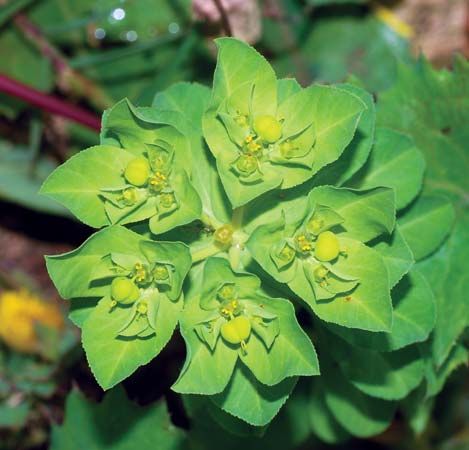
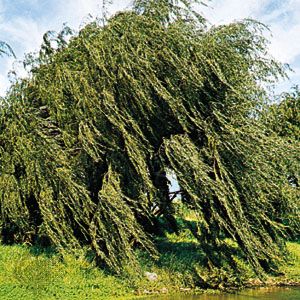
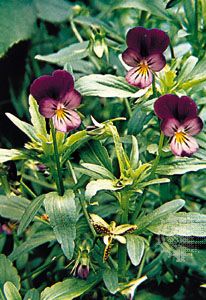
Malpighiales is a vast order of flowering plants comprising 40 families, over 700 genera, and nearly 16,000 species. Primarily tropical, the order includes diverse and well-known members such as the willow family (Salicaceae), violet family (Violaceae), passion-flower family (Passifloraceae), spurge family (Euphorbiaceae), mangrove family (Rhizophoraceae), and coca family (Erythroxylaceae).1
While the order lacks a single defining set of morphological characters, its members often feature toothed, stipulate leaves and a floral structure typical of basal eudicots, characterized by free sepals, petals, and stamens, along with superior ovaries consisting of three to five fused carpels. Genetically, Malpighiales is a member of the Rosids I group within the core eudicots and is supported by strong molecular evidence. The order has undergone significant taxonomic reorganization, notably absorbing families from the former order Violales.1
What types of plants are included in the Malpighiales order?
The order Malpighiales is a vast and diverse group of flowering plants containing 40 families, over 700 genera, and nearly 16,000 species. While many of its members are tropical, the order includes several well-known plant families.1
Key families within the order include:
- Salicaceae: The willow family.
- Violaceae: The violet family.
- Passifloraceae: The passion-flower family.
- Euphorbiaceae: The spurge or croton family.
- Rhizophoraceae: The mangrove family.
- Erythroxylaceae: The coca family.
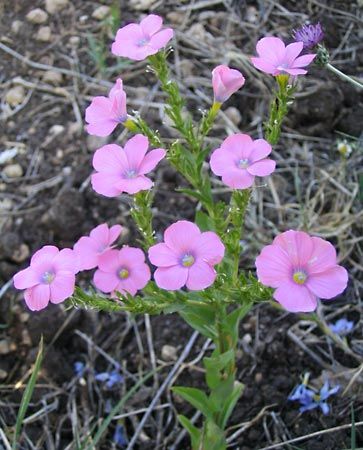
The order also encompasses numerous other families, such as Clusiaceae, Hypericaceae, Linaceae, and Ochnaceae, among others. Historically, many of these families were placed in different orders, but they are now grouped together based on strong molecular evidence as part of the Rosids I group within the core eudicots.1
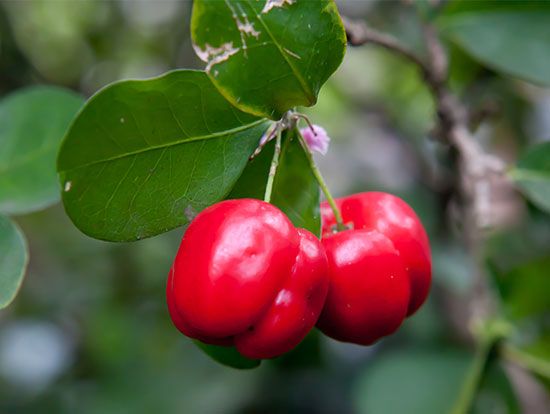
Where can Malpighiales plants commonly be found?
Plants within the Malpighiales order are found globally, though they are primarily associated with tropical and subtropical regions.12
Their distribution varies significantly by family:
- Tropical and Subtropical Regions: Many families, such as the Malpighiaceae, are found throughout the tropics, with a particularly high concentration in the Neotropics (the New World tropics).2
- Moist and Wet Habitats: Certain members, such as those in the Elatinaceae family, are native to moist or wet environments worldwide, including rice fields and irrigation ditches.2
- Global Presence: While the order is heavily represented in tropical climates, its vast diversity—encompassing nearly 16,000 species—means that various members have adapted to a wide range of environments across the globe.12
What are some important features of Malpighiales plants?
The order Malpighiales is a large and diverse group of flowering plants that, while lacking a single set of defining morphological characters, shares several common features.1
Key characteristics of plants in this order include:
- Leaf Structure: The leaves are frequently toothed and stipulate (possessing small, leaf-like appendages at the base of the leaf stalk).1
- Floral Construction: Their flowers generally follow the basic construction common to basal eudicots. This typically includes free sepals and petals, often 10 free stamens, and a nectary.1
- Ovary and Carpels: The flowers usually feature superior ovaries composed of three to five fused carpels.1
- Seed Anatomy: The seeds typically contain little endosperm, and the seed coat is characterized by the presence of a fibrous layer.1
While the order is morphologically coherent, it is primarily defined by strong molecular support rather than highly distinctive physical traits.1
Sources
- Malpighiales — Encyclopædia Britannica
- Malpighiales - Malpighiaceae and Elatinaceae — Encyclopædia Britannica
- magnoliid clade - Distribution — Encyclopædia Britannica
- angiosperm - Annotated classification — Encyclopædia Britannica
- Malvales - Common characteristics — Encyclopædia Britannica
Published on · 3 min read