Llano Estacado
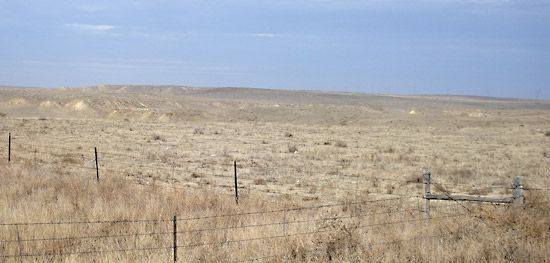
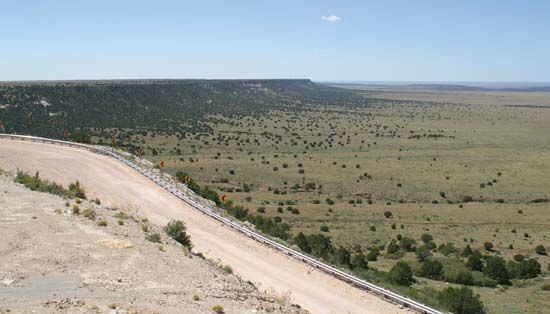
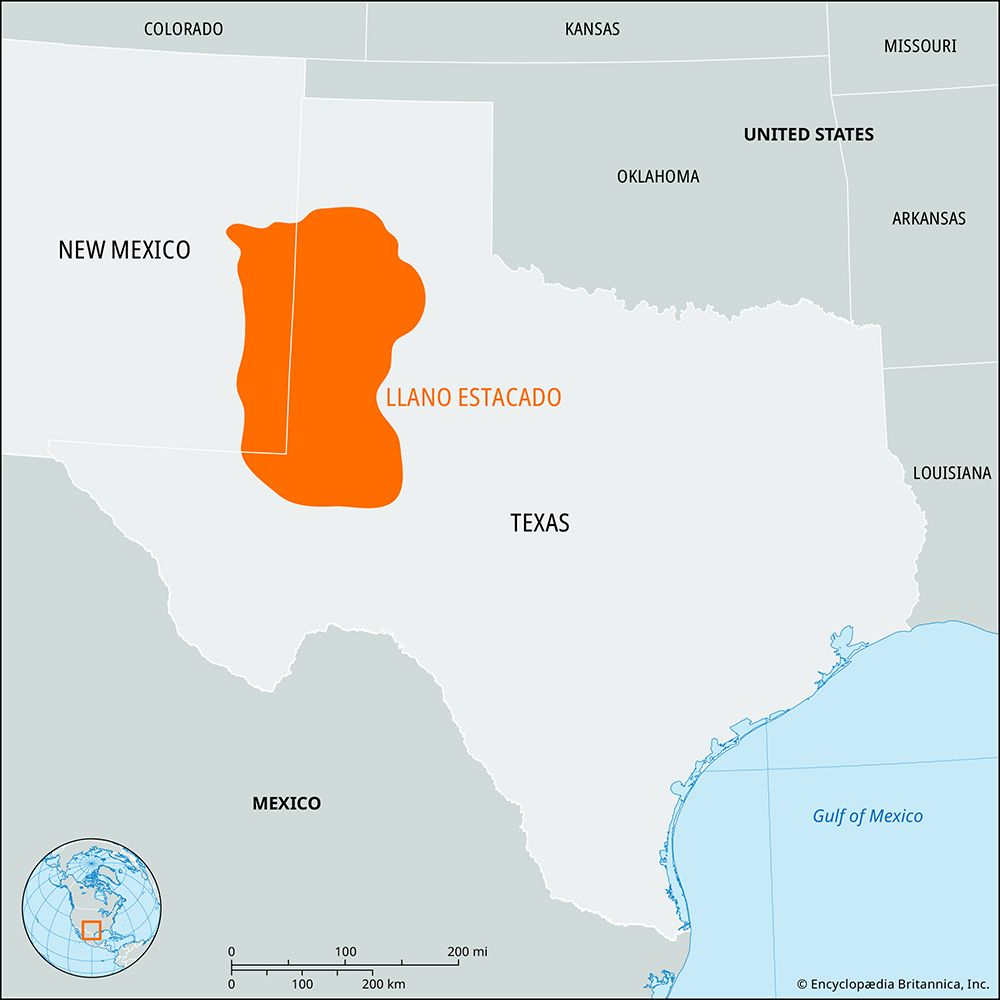
The Llano Estacado, also known as the Staked Plain, is a vast, semiarid plateau region located along the border of Texas and New Mexico in the United States.
What is the Llano Estacado and where is it located in the United States?
The Llano Estacado, also known as the Staked Plain, is a vast, semiarid plateau region located along the border of Texas and New Mexico in the United States.12
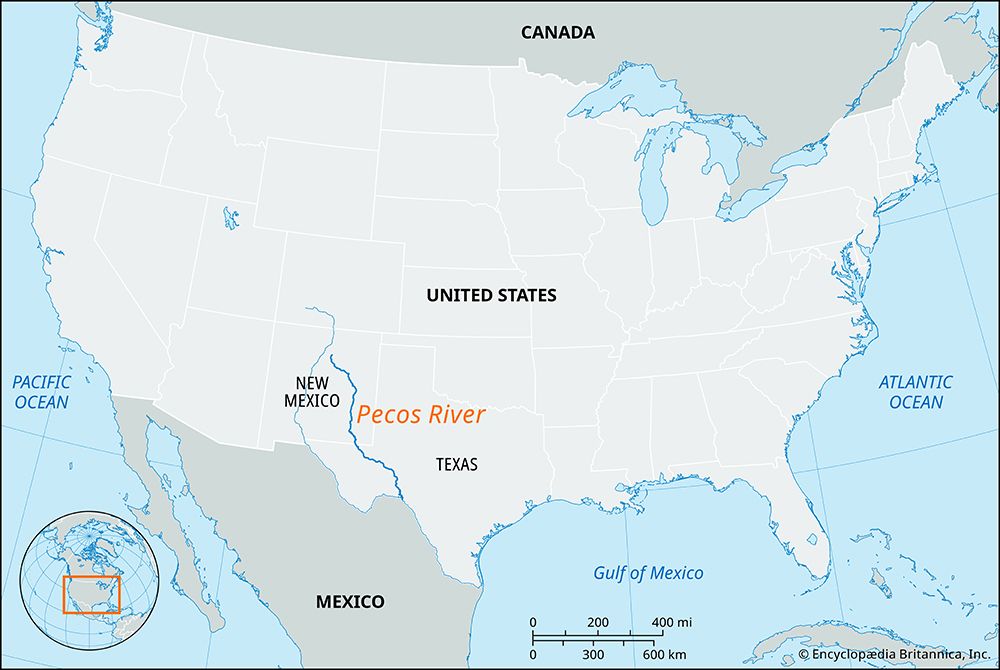
As a portion of the High Plains, it covers approximately 30,000 square miles. The region is characterized by its strikingly level terrain, sitting at an average elevation of 3,000 to 4,000 feet above sea level. Its boundaries are defined by the Canadian River valley to the north, the Edwards Plateau to the south, the “break of the plains” to the east, and the Mescalero Ridge overlooking the Pecos River to the west.1
Despite challenges such as limited rainfall and periodic droughts, the area supports cotton production, dry-land farming, and grazing, alongside the extraction of natural gas and petroleum. Lubbock and Amarillo serve as the region’s primary urban centers.1
How was the Llano Estacado formed geologically?
The provided search results do not contain specific information regarding the precise geological formation process of the Llano Estacado. While the results explain general mechanisms for how plateaus are formed—such as volcanism, crustal shortening, and thermal expansion—they do not explicitly detail which of these processes, or combination thereof, created the Llano Estacado specifically.
Because the Britannica knowledge base does not currently provide the specific geological history of this region, I cannot offer an accurate explanation of its formation.
What natural resources are found in the Llano Estacado region?
The Llano Estacado possesses a variety of natural resources that support its regional economy, primarily through agriculture and energy extraction.
Agricultural Resources
The region’s potentially fertile soils are a key asset. Despite challenges such as meager rainfall and periodic droughts, the area supports:
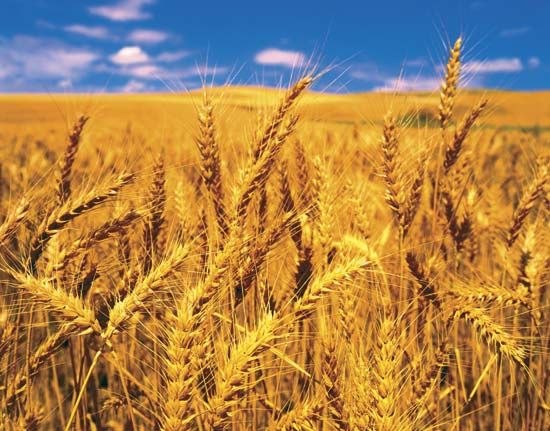
- Crops: The production of wheat, grain sorghums, and irrigated cotton.1
- Livestock: The region is well-suited for cattle grazing.14
- Water: The Ogallala Aquifer lies beneath the Great Plains and provides essential groundwater for irrigation and drinking water, though its long-term sustainability is a significant concern due to over-extraction.5
Energy Resources
The Llano Estacado is a significant contributor to the energy sector:
- Fossil Fuels: The extraction of petroleum and natural gas is a vital component of the regional economy.14
- Renewable Energy: The broader Texas Panhandle region is a leader in wind energy production, utilizing the area’s vast, open landscape to host numerous wind turbines.6
What are some of the major cities or towns located on the Llano Estacado?
The Llano Estacado is a vast, semiarid region covering approximately 30,000 square miles along the border of Texas and New Mexico. Due to its isolated nature and challenging climate, the region has limited population density; however, it contains two major urban centers that serve as the primary hubs for the area:
- Lubbock, Texas: Located in the heart of the region, it is one of the most significant cities on the Llano Estacado.
- Amarillo, Texas: Situated toward the northern portion of the plains, it serves as another vital urban center for the region.1
These cities act as essential focal points for the surrounding agricultural and energy-producing communities, despite the historical constraints on population growth caused by the area’s isolation and high evaporation rates.1
Sources
- Llano Estacado — Encyclopædia Britannica
- Llano Estacado — Merriam-Webster
- plateau - Formative processes — Encyclopædia Britannica
- High Plains — Encyclopædia Britannica
- Texas - Resources and power — Encyclopædia Britannica
- aquifer and Agriculture — Merriam-Webster
Published on · 2 min read