Great Plains
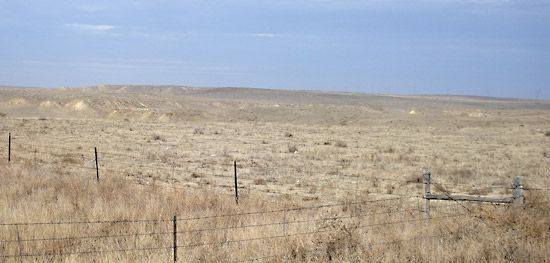
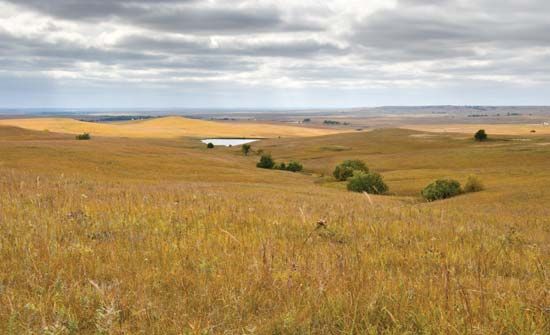
Human activity, particularly intensive agriculture, has profoundly altered the Great Plains over time. While indigenous groups historically practiced…
How has human activity, particularly agriculture, impacted the Great Plains over time?
Human activity, particularly intensive agriculture, has profoundly altered the Great Plains over time. While indigenous groups historically practiced agriculture in river valleys, the large-scale expansion of farming—characterized by deep plowing and the removal of native grasses—left the soil vulnerable to erosion. This environmental misuse, combined with severe drought, culminated in the Dust Bowl during the 1930s, a catastrophic ecological disaster that forced mass migration and necessitated significant federal intervention.123
Modern agricultural practices continue to impact the region in several ways:
- Resource Depletion: The Ogallala Aquifer, which supports much of the region’s irrigation, is being depleted as water is extracted faster than it is replenished.4
- Soil Degradation: Irrigation in drylands often leads to the accumulation of salts in the soil, which can reduce crop yields and, in severe cases, render land barren.5
- Pollution: The use of pesticides and fertilizers has introduced chemical residues and excess nutrients into groundwater and surface water, posing risks to both ecosystems and human health.67
- Habitat Loss: Much of the natural grassland has been converted to cropland or overgrazed, displacing native species.8
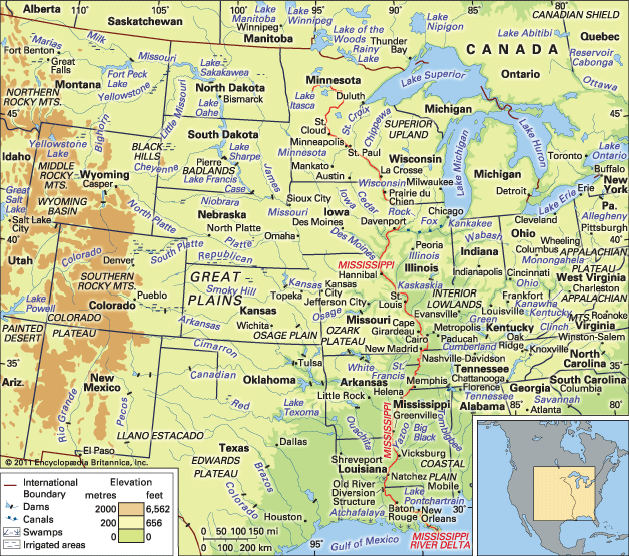
What are the main climate characteristics of the Great Plains?
The Great Plains are characterized by a continental climate, defined by significant temperature extremes, high winds, and low humidity. Because the region is located far from the moderating influence of oceans, it experiences cold winters and warm summers.91011
Key climatic features include:
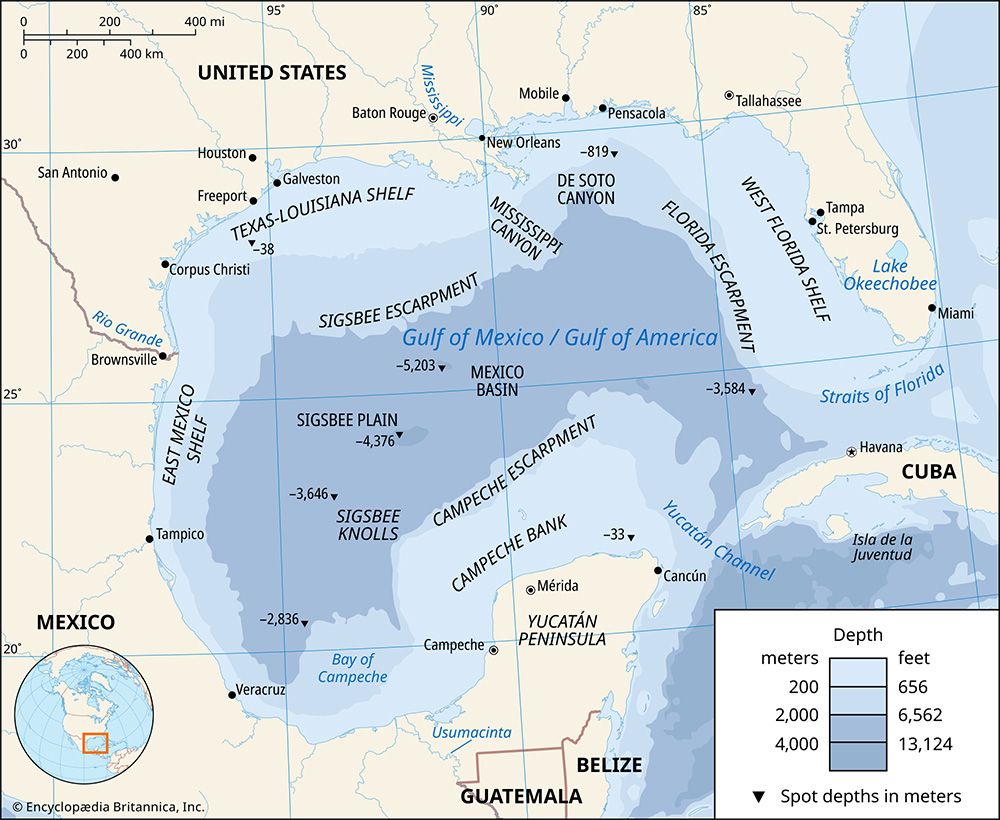
- Precipitation: The Gulf of Mexico serves as the primary moisture source, with rainfall generally decreasing from east to west. Most areas receive more precipitation in the summer than in the winter.91110
- Temperature Volatility: The region is prone to sudden temperature shifts. A notable phenomenon in the western plains is the chinook, a warm, dry wind descending from the Rocky Mountains that can cause rapid, dramatic temperature increases.910
- Severe Weather: The lack of topographical barriers allows for the unobstructed movement of air masses. Collisions between warm, moist air from the south and cold, dry air from the north frequently result in violent weather, including blizzards, tornadoes, and hailstorms.11
- Growing Season: The length of the growing season varies significantly by latitude, ranging from roughly 70–110 days in parts of Canada to over 200 days in the southern reaches.9
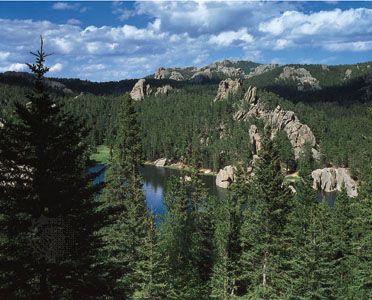
How did Native American tribes historically utilize the Great Plains?
Historically, Native American tribes utilized the Great Plains through a combination of settled agriculture and nomadic hunting, with lifestyles evolving significantly over time.
Agricultural Foundations
Until the late 16th century, the only permanent settlements on the Plains were earth-lodge villages located along major waterways. These groups, such as the Mandan, Hidatsa, and Pawnee, utilized fertile river valley soil to cultivate corn, beans, squash, sunflowers, and tobacco. These communities balanced crop production with seasonal hunting expeditions.313
The Impact of the Horse
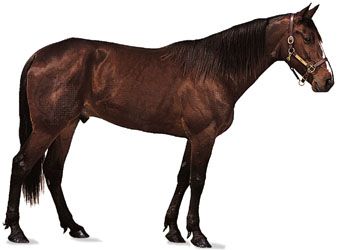
The introduction of the horse by the 18th century revolutionized Plains life, greatly increasing mobility and economic productivity. This shift allowed many tribes to adopt a nomadic lifestyle centered on hunting bison. Bison were the economic mainstay, providing food, hides for shelter and clothing, and materials for tools. Tribes such as the Comanche and Cheyenne became prominent nomadic groups, with some tribes transitioning entirely away from agriculture.1413153
Social and Political Organization
Plains societies were organized into fluid bands that coalesced or dispersed based on seasonal needs, such as communal hunts or rituals. Leadership was earned through demonstrated wisdom, bravery, and success in managing complex tasks like village defense or the timing of harvests.16
How have dust storms and the Dust Bowl affected the Great Plains historically?
The Dust Bowl was the greatest human-made ecological disaster in American history, occurring during the 1930s across the Great Plains. It resulted from a combination of severe drought and decades of poor farming practices, such as deep plowing and the removal of native grasses, which left topsoil exposed and vulnerable to wind erosion.2117
Impact of Dust Storms
Massive “black blizzards” of windblown soil destroyed crops, rendered equipment useless, and caused significant health crises, including asthma and “dust pneumonia,” which claimed an estimated 7,000 lives. The storms were so severe that dust was carried across the country, obscuring cities as far away as the East Coast.1718
Migration and Federal Response
The agricultural collapse forced approximately 2.5 million people to migrate out of the Plains, with over 200,000 moving to California in search of work. In response, the federal government under Franklin D. Roosevelt implemented the New Deal, creating agencies like the Soil Conservation Service to promote sustainable practices such as crop rotation and the planting of windbreaks (shelterbelts). These efforts successfully restored grasslands and halted erosion by the early 1940s.11819
Sources
- Dust Bowl — Encyclopædia Britannica
- Dust Bowl: Top Questions — Encyclopædia Britannica
- Native American - Plains Woodland and Plains Village cultures — Encyclopædia Britannica
- Great Plains - Plant and animal life — Encyclopædia Britannica
- aquifer and Agriculture — Merriam-Webster
- Agricultural technology - Chemicals — Encyclopædia Britannica
- desertification - Irrigated croplands — Encyclopædia Britannica
- Agricultural technology - Plant nutrients — Encyclopædia Britannica
- Great Plains - Soils and climate — Encyclopædia Britannica
- Nebraska - Climate — Encyclopædia Britannica
- United States - Climatic controls — Encyclopædia Britannica
- Great Plains: Top Questions — Encyclopædia Britannica
- Indigenous peoples of the Great Plains - The role of the horse in Plains life — Encyclopædia Britannica
- Native American - The Plains — Encyclopædia Britannica
- Indigenous peoples of the Great Plains - Political organization — Encyclopædia Britannica
- bison — Encyclopædia Britannica
- Dust Bowl - Expansion of federal authority — Encyclopædia Britannica
- Dust Bowl - Dust Bowl: Ecological collapse — Encyclopædia Britannica
- Dust Bowl - Migration and resettlement — Encyclopædia Britannica
Published on · 4 min read