Loa River
The Loa River is the longest river in Chile, stretching approximately 275 miles (440 km). It originates in the Andes at the base of the Miño Volcano near the…
What is Loa River?
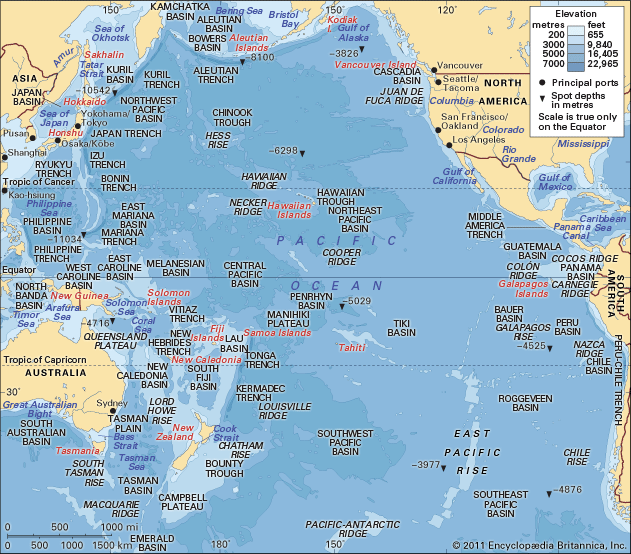
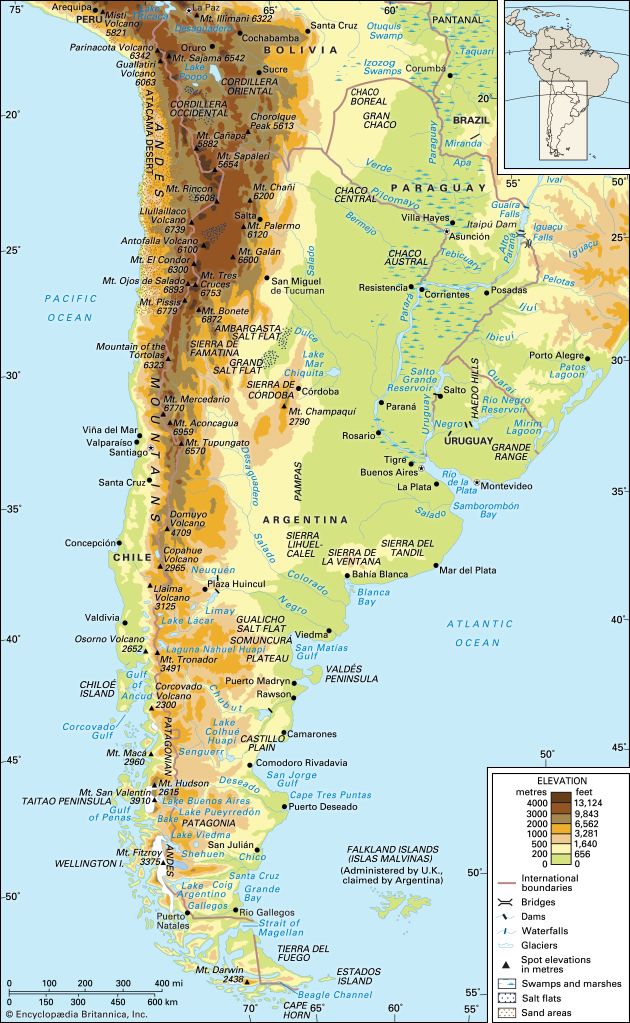
The Loa River is the longest river in Chile, stretching approximately 275 miles (440 km). It originates in the Andes at the base of the Miño Volcano near the Bolivian border. From there, it flows southwest toward the oasis of Calama before traversing the Atacama Desert and eventually emptying into the Pacific Ocean.1
The river serves as a vital resource for the region. Its waters are used to irrigate Calama and surrounding areas, provide essential drinking water, and generate hydroelectric power to support local copper and nitrate mining operations.1
What makes the Atacama Desert so dry?
The extreme aridity of the Atacama Desert is primarily the result of three major atmospheric and geographic factors:
- Dry Subsidence: The region is dominated by the South Pacific high-pressure cell. This semipermanent anticyclone creates stable, subsiding air conditions that prevent the formation of rain-bearing clouds, resulting in minimal precipitation.234
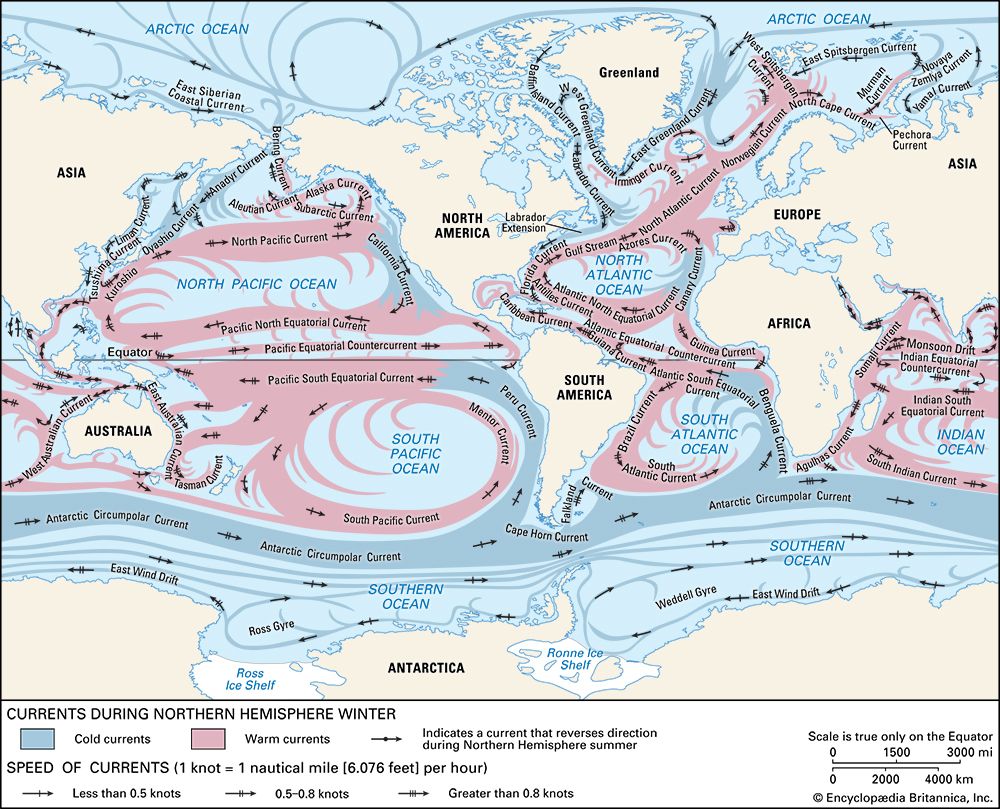
- The Peru (Humboldt) Current: This cold ocean current flows northward along the coast, cooling the surface water. This creates a thermal inversion—where cold air sits at sea level beneath a layer of warmer, stable air—which produces fog and stratus clouds but inhibits the vertical air movement necessary for rainfall.34
- Rain Shadow Effect: The Andes act as a massive orographic barrier. While this effect is most famously associated with the rain shadow in Patagonia, the mountain range effectively blocks moisture from reaching the interior of the continent, contributing to the desert’s overall dry climate.4
How do people live in desert oases?
Life in desert oases is defined by a fragile ecological balance, where sedentary populations rely on perennial sources of fresh water to sustain agriculture in an otherwise harsh environment.56
Water Management and Agriculture
Because water availability is the primary constraint on growth, oasis dwellers utilize various methods to access groundwater, including springs, wells, and foggaras—inclined underground tunnels designed to tap into dispersed water sources. While ancient techniques like the shadoof (a pivoted pole and bucket) and the animal-driven noria were once standard, many modern oases have transitioned to motorized pumps.6
In these fertile tracts, cultivation is typically conducted in small, labor-intensive “gardens”. Common crops include:6
- Staple Foods: Date palms often serve as the primary food source, providing shade for other crops.5
- Cereals and Vegetables: Farmers grow wheat, barley, millet, and various vegetables.56
- Specialty Crops: Depending on the region, oases may produce citrus fruits, figs, peaches, apricots, henna, or forage crops like alfalfa.56
Challenges and Sustainability
Oasis communities face constant environmental threats, including soil salinization caused by intense evaporation and the risk of being buried by encroaching sand. Furthermore, the overuse of limited water supplies can lead to a dangerous decline in the water table, threatening the long-term viability of these settlements.6
What are the main uses of copper in Chile?
In Chile, copper is primarily utilized as a vital export commodity rather than for domestic manufacturing or end-use consumption. As the world’s largest producer and exporter of the metal, Chile’s economy is heavily dependent on the extraction, processing, and international sale of copper.89
The primary activities surrounding copper in Chile include:
- Extraction and Processing: Large-scale mining operations, such as those at Chuquicamata and El Teniente, focus on the exploration and exploitation of massive porphyry deposits. The state-owned enterprise Codelco manages the majority of these sites, overseeing the smelting and refining processes required to prepare the metal for global markets.8910
- Economic Export: Copper accounts for approximately two-fifths of Chile’s total export income. It serves as the cornerstone of the national economy, with the raw or refined metal transported to ports like Antofagasta for shipment abroad.811
While copper is globally essential for electrical industries and the creation of alloys like brass and bronze, Chile’s role is defined by its position as the primary global supplier of the raw material.9
Sources
- Loa River — Encyclopædia Britannica
- Chile - The northern desert — Encyclopædia Britannica
- Atacama Desert — Encyclopædia Britannica
- South America - Factors influencing climate — Encyclopædia Britannica
- oasis — Encyclopædia Britannica
- Sahara - People of the Sahara — Encyclopædia Britannica
- Sahara - Transportation — Encyclopædia Britannica
- Chile - Mineral resources, noncarboniferous — Encyclopædia Britannica
- Chuquicamata — Encyclopædia Britannica
- copper - Occurrence, uses, and properties — Encyclopædia Britannica
- Chile - Economy — Encyclopædia Britannica
- Codelco — Encyclopædia Britannica
Published on · 3 min read