Loganiaceae
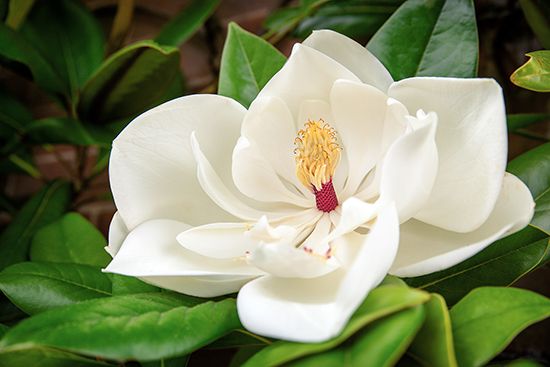
The flowers of plants in the Loganiaceae family, which belong to the order Gentianales, typically exhibit the following structural characteristics:
Can you describe the typical flower structure of Loganiaceae plants?
The flowers of plants in the Loganiaceae family, which belong to the order Gentianales, typically exhibit the following structural characteristics:
- Corolla: The flowers feature petals that are fused into a corolla tube, which terminates in four or five overlapping lobes.12
- Calyx: The sepals are usually joined at the base.2
- Androecium: These plants possess the same number of stamens as they have corolla lobes.2
- Gynoecium: The ovary is generally superior and consists of two carpels and two locules (chambers), typically featuring axile placentation.23
- Arrangement: The flowers are commonly found in terminal clusters.1
Additionally, these plants are often characterized by the presence of colleters, which are small, multicellular, fingerlike glands located at the inner base of the leaves, bracts, or calyx.2
What are the key differences between Loganiaceae and related plant families?
The Loganiaceae family is distinguished from other members of the Gentianales order by specific morphological and biochemical traits. While all families in this order share features like opposite or whorled leaves and sympetalous (fused) petals, key differences include:
- Stipules: Loganiaceae are characterized by the presence of stipules (leaflike appendages) at the base of their leafstalks. In contrast, the related Gentianaceae family almost entirely lacks stipules.564
- Ovary Position: Loganiaceae consistently possess a superior ovary. While many Gentianales also have superior ovaries, the Rubiaceae family is notable for having mostly inferior ovaries.52
- Biochemistry: Loganiaceae are known for producing poisonous alkaloids, such as those found in Strychnos2. Conversely, Gentianaceae typically lack alkaloids, relying instead on iridoid compounds and xanthones for chemical defense.4
- Growth Habit: Loganiaceae are primarily woody trees, shrubs, or vines. Gentianaceae are more frequently herbaceous, though they exhibit significant diversity in the tropics.64
Where are Loganiaceae plants primarily found in the world?
Loganiaceae plants are primarily native to the tropical regions of the world. While the broader order to which they belong, Gentianales, includes families that are well-represented in north temperate zones, the 13 genera and more than 400 species comprising the Loganiaceae family are predominantly found in tropical environments.263
What are some of the most well-known genera within the Loganiaceae family?
The Loganiaceae family comprises 13 genera and over 400 species. The three most prominent genera within this family are:
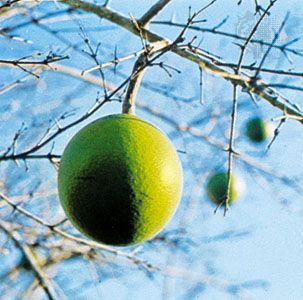
- Strychnos: This is the largest and most economically significant genus, containing approximately 190 species. It is well-known for producing potent alkaloids such as strychnine and curare, which have historically been used in arrow poisons and various pharmacological applications. Some species, such as the Natal orange (S. spinosa), are valued for their edible fruit pulp.278
- Geniostoma: One of the three main genera of the family, though it is generally considered less economically significant than Strychnos.8
- Mitrasacme: Also identified as one of the three primary genera within the family.8
Other genera within the family include Gardneria, Neuburgia, Antonia, Bonyunia, Norrisia, Usteria, Spigelia, Logania, Labordia, and Mitreola. While some species of Spigelia (pinkroot) are cultivated as ornamentals, others are known to be highly poisonous. Note that while the genus Buddleja (butterfly bush) was historically associated with this group, it is now classified under the family Scrophulariaceae.283
Sources
- Lamiales - Order characteristics — Encyclopædia Britannica
- Loganiaceae — Encyclopædia Britannica
- Gentianales - Loganiaceae — Encyclopædia Britannica
- Loganiaceae — Merriam-Webster
- Gentianales - Gentianaceae — Encyclopædia Britannica
- Gentianales — Encyclopædia Britannica
- Strychnos — Encyclopædia Britannica
- butterfly bush — Encyclopædia Britannica
- Gentianales - Gelsemiaceae — Encyclopædia Britannica
Published on · 2 min read