Loch Ness
The Loch Ness monster is a legendary marine creature said to inhabit Loch Ness in Scotland. While widely considered a myth, the legend persists despite a…
What is the legend of the Loch Ness Monster, and when did it originate?
The Loch Ness monster is a legendary marine creature said to inhabit Loch Ness in Scotland. While widely considered a myth, the legend persists despite a lack of conclusive evidence.12
Reports of a mysterious beast in the loch date back to ancient times, including Pict stone carvings and a 7th-century account of St. Columba encountering a water monster in 565 CE. However, the modern legend gained global traction in 1933 following the construction of a road that provided clear views of the lake. That year, a couple reported seeing an enormous animal, sparking a sensation that led to numerous searches, hoaxes, and the famous 1934 “surgeon’s photograph,” which was later revealed to be a fake.231
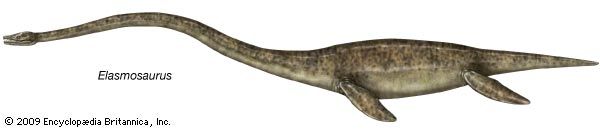
Scientific investigations, including sonar explorations and a 2018 DNA survey, have failed to find evidence of a plesiosaur or other large prehistoric animals, though the presence of numerous eels remains a subject of interest.12
How has the search for the Loch Ness Monster impacted tourism in the area?
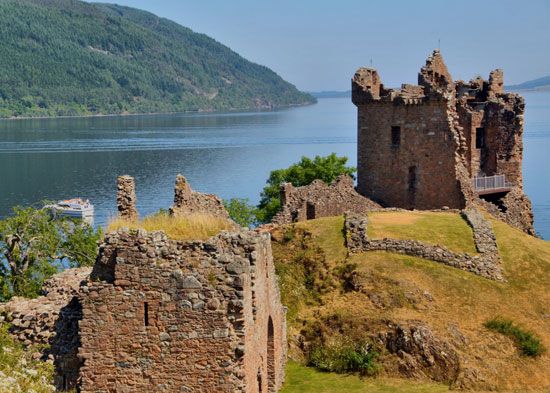
The legend of the Loch Ness monster has transformed the area into a significant tourist destination. Despite the lack of scientific evidence for the creature’s existence, the myth remains both popular and highly profitable for the local economy.21
In the early 21st century, it was estimated that the legend contributed nearly $80 million annually to Scotland’s economy. The enduring fascination with the “monster” continues to draw visitors to Loch Ness and the surrounding Highlands, supporting the tourism industry in nearby hubs like Inverness, which serves as a commercial and tourist center for the region.214
What scientific studies have been conducted to investigate the existence of the Loch Ness Monster?
Scientific investigations into the existence of the Loch Ness monster have consistently failed to produce evidence of a large, unknown creature inhabiting Loch Ness. While the legend has persisted for decades, formal studies have largely served to debunk claims or provide alternative explanations for sightings.21
Key scientific efforts include:
- Sonar Explorations: Several sonar surveys were conducted to scan the depths of the lake for large animals, most notably in 1987 and 2003. None of these expeditions were successful in locating a creature.21
- DNA Survey: In 2018, researchers performed a comprehensive DNA survey of the water to identify the organisms living within the loch. The study found no evidence of a plesiosaur or any other large, unidentified animal. The results did, however, reveal the presence of numerous eels, leading some to hypothesize that sightings might be attributed to oversized specimens.21
- Forensic Analysis: Investigations into famous “evidence,” such as the 1934 “surgeon’s photograph,” revealed them to be elaborate hoaxes. In 1994, it was confirmed that the iconic image was a model created with a toy submarine.21
How deep is Loch Ness, and how does its depth compare to other lakes in Scotland?
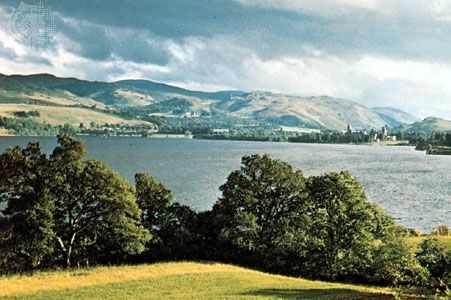
Loch Ness reaches a maximum depth of 788 feet (240 metres). While it is renowned for its significant depth, it is also notable for holding the largest volume of fresh water in Great Britain.5
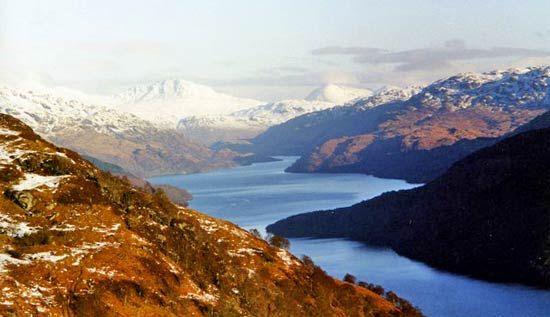
When compared to other prominent Scottish lakes, such as Loch Lomond, Loch Ness is deeper. Although Loch Lomond is the largest lake in Scotland by surface area, its glacially excavated floor reaches a maximum depth of 623 feet (190 metres). Both lakes are examples of the very deep lochs found in the region, which are often characterized by their dramatic, glacially formed topography.65
Sources
- Loch Ness monster: Top Questions — Encyclopædia Britannica
- Loch Ness monster — Encyclopædia Britannica
- Loch Ness Monster — Merriam-Webster
- Inverness — Encyclopædia Britannica
- Loch Ness — Encyclopædia Britannica
- Loch Lomond — Encyclopædia Britannica
Published on · 3 min read