Luang Lake
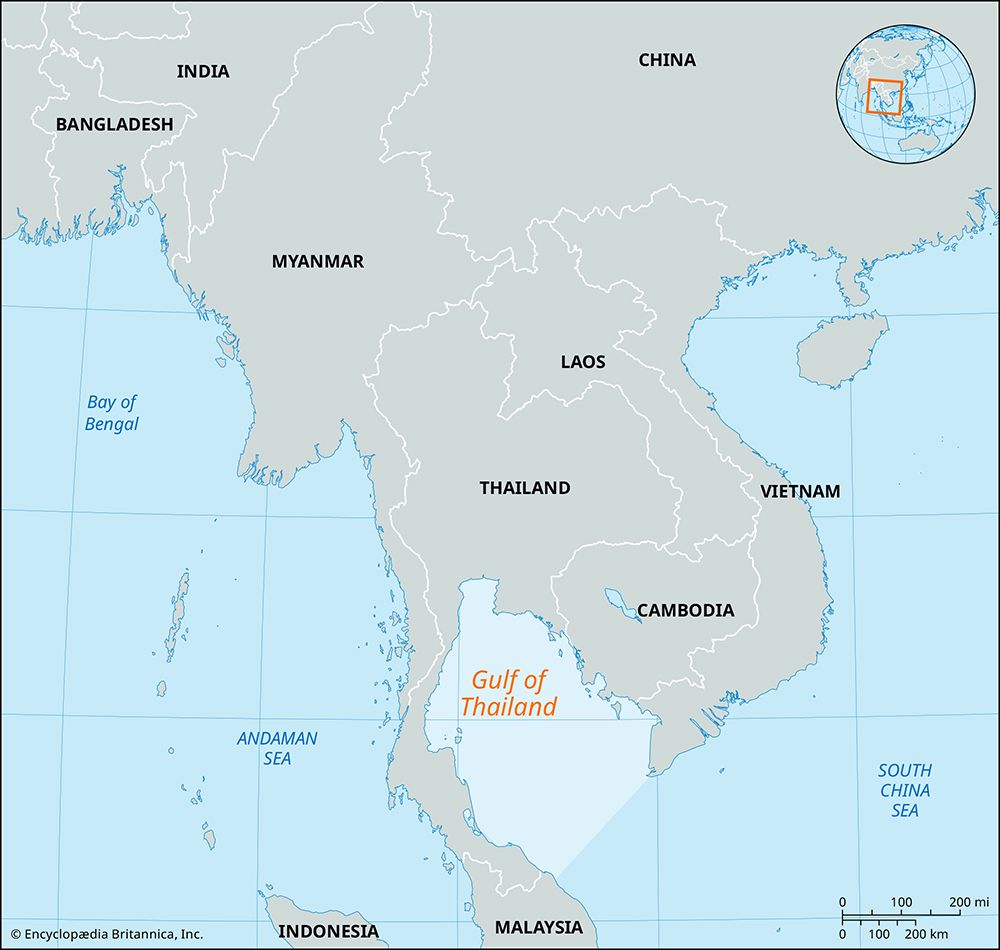
Luang Lake (also known as a thale) is a coastal lagoon located in southern Thailand along the east coast of the Malay Peninsula.
What is Luang Lake?
Luang Lake (also known as a thale) is a coastal lagoon located in southern Thailand along the east coast of the Malay Peninsula.1
Spanning approximately 50 miles (80 km) in length and reaching widths of up to 15 miles (24 km), the lake is characterized by numerous islands scattered throughout its waters. It serves as a productive fishing ground and maintains a connection to the Gulf of Thailand near the town of Songkhla on its southern shore.1
What is a lagoon and how does it form?
A lagoon is a body of relatively shallow, quiet water located in a coastal environment. While it maintains access to the sea, it is separated from open marine conditions by a protective barrier.2
Types and Formation
There are two primary ways these barriers form:
- Barrier Island Lagoons: These form on low-lying coasts where waves act upon an abundant supply of sand or other bottom material. When the coastal slope is flatter than the equilibrium slope required by constructive swells, barrier islands or sandbars are built, enclosing the water behind them.34
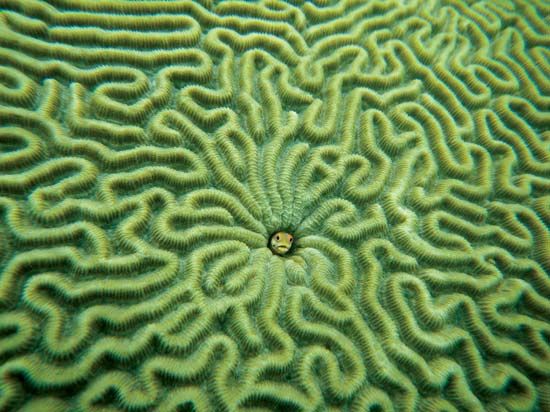
- Coral Lagoons: These are found in tropical seas where coral growth creates a protective structure. They are often circular, surrounded by atoll reefs or barrier reefs that shield the interior water from direct wave action.25
These sheltered environments are highly productive ecosystems characterized by fine-grained sedimentation, which helps maintain the lagoon’s depth over time.23
What kind of wildlife lives in the Malay Peninsula?
The Malay Peninsula is home to a diverse array of wildlife, supported largely by its dense rainforest ecosystems. These habitats provide specialized niches for numerous species, ranging from large mammals to various reptiles and birds.67
Mammals
The peninsula hosts several notable large mammals, including elephants, tigers, and Malayan tapirs—a unique, hoofed, and snouted quadruped. Other mammals found in the region include:
- Malayan gaurs: Massive wild oxen, also known as seladang.68
- Sumatran rhinoceroses: Rare large mammals that inhabit the dense forests.68
- Deer species: Including the pelandok, or chevrotains (mouse deer), and the Malayan sambar.68
- Primates: A variety of monkeys, such as the long-tailed macaque, are common in protected areas like Taman Negara National Park.8
Reptiles and Other Wildlife
The region’s biodiversity extends to its waterways and coastal areas. Indigenous reptiles include crocodiles, monitor lizards, and cobras. Additionally, the beaches along the east coast serve as nesting grounds for green sea turtles and giant leatherback turtles. The forests also support a vast number of bird species, with over 300 varieties documented in national parks.68
How does the Gulf of Thailand influence the local climate?
The Gulf of Thailand plays a significant role in shaping local weather patterns, particularly by influencing regional precipitation and temperature.
Precipitation and Moisture
While the northeast monsoon generally brings cool, dry air to much of mainland Southeast Asia between November and February, the Gulf of Thailand acts as a moisture source for specific coastal areas. As these northeast winds pass over the warm waters of the gulf, they pick up significant moisture. This process results in a distinct rainy period for locations like Songkhla during the otherwise cool, dry season.1213
Temperature Moderation
Proximity to the sea, including the Gulf of Thailand, serves to moderate temperatures in the southern regions of the peninsula. While northern areas of the country may experience greater temperature fluctuations—including occasional frost at high elevations—the maritime influence of the surrounding seas keeps temperatures relatively steady throughout the year, typically averaging between 77 and 84 °F (25 and 29 °C).1314
Sources
- Luang Lake — Encyclopædia Britannica
- lagoon — Encyclopædia Britannica
- lagoon - Barrier island lagoons — Encyclopædia Britannica
- lagoon - Barrier bars and sediment sources — Encyclopædia Britannica
- lagoon - Coral lagoons — Encyclopædia Britannica
- Malaysia - Plant and animal life — Encyclopædia Britannica
- Taman Negara National Park — Encyclopædia Britannica
- Southeast Asia - Animal life — Encyclopædia Britannica
- list of World Heritage sites - Malaysia — Encyclopædia Britannica
- State Animals of India — Encyclopædia Britannica
- Malayan tapir — Merriam-Webster
- Southeast Asia - Precipitation — Encyclopædia Britannica
- Thailand - Climate — Encyclopædia Britannica
- Southeast Asia - Temperatures — Encyclopædia Britannica
Published on · 3 min read