Flores Island
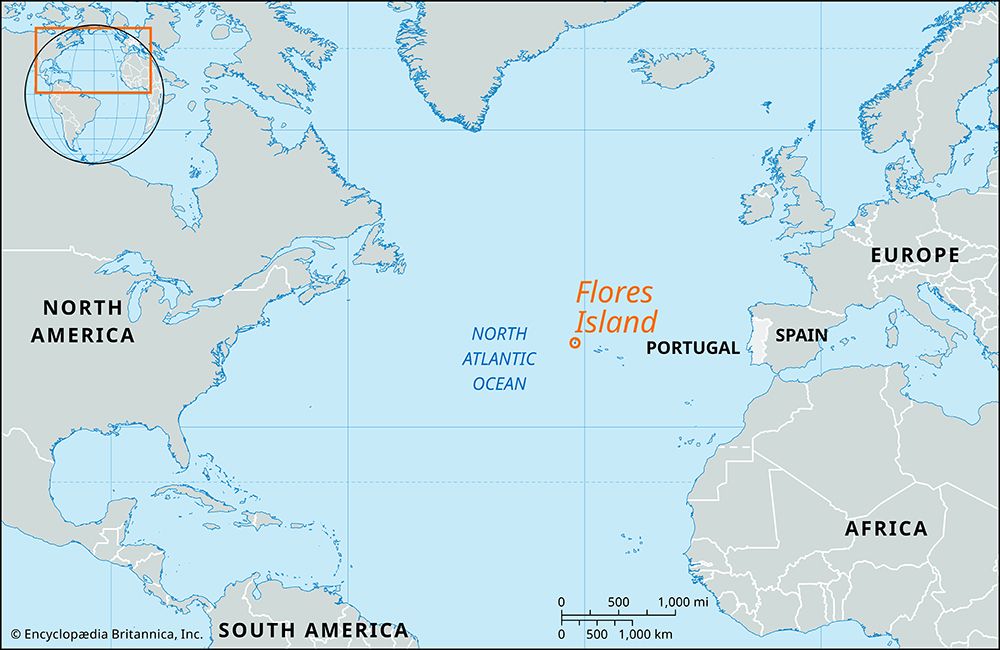
There are two prominent islands named Flores, which often leads to confusion.
What is Flores Island?
There are two prominent islands named Flores, which often leads to confusion.
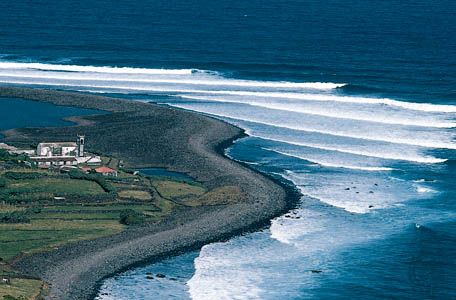
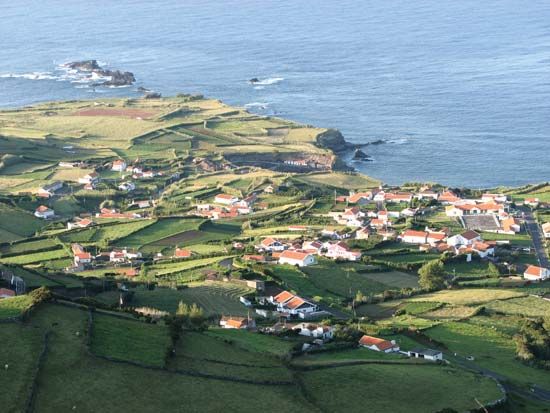
- Flores Island (Azores): This is the westernmost island of the Portuguese Azores archipelago in the North Atlantic. It is a volcanic island known for its lush flora, crater lakes, and an economy centered on cattle and dairying.12
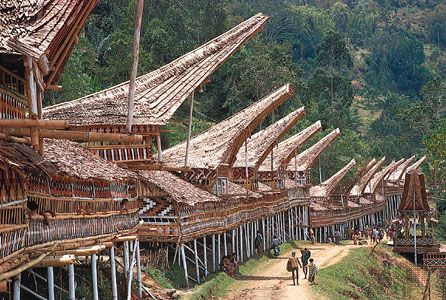
- Flores (Indonesia): This is a large, mountainous island in the Lesser Sunda Islands of Indonesia. Its name, derived from the Portuguese for “Cape of Flowers,” refers to the vibrant flora once found there. The island is known for its active volcanoes, such as Mount Kelimutu, and its diverse cultural history, including indigenous traditions and colonial influences.32
Additionally, the name “Flores” refers to a sea in Indonesia located south of Sulawesires) in Indonesia located south of Sulawesi.3
What is the significance of Mount Kelimutu’s colored lakes?
Sorry, the Britannica knowledge base does not contain information regarding the significance of Mount Kelimutu’s colored lakes. While the provided search results discuss various Indonesian volcanoes and the general geological processes of crater lakes and volcanic gases, they do not specifically address the unique characteristics or cultural significance of the lakes at Mount Kelimutu.
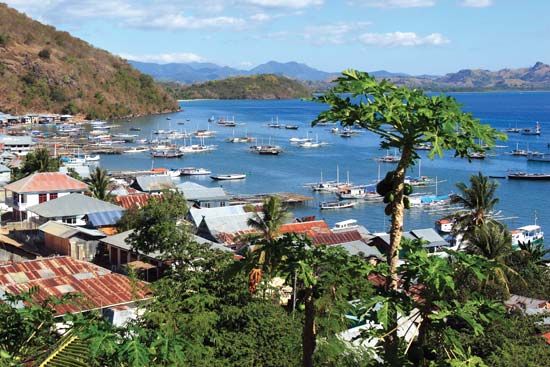
What are the Lesser Sunda Islands?
The Lesser Sunda Islands are a group of islands in south-central Indonesia that extend from the east of Java toward the Moluccas and New Guinea. This island chain includes Bali, Lombok, Sumbawa, Flores, Sumba, Timor, and Alor, along with various smaller adjacent islands.67
Geologically, the islands are part of a zone of island arcs and submarine ridges situated between Asia and Australia, making them volcanically active and geologically unstable. The chain features a distinct volcanic spine that loops northeast toward the Banda Islands, while islands like Sumba and Timor form a nonvolcanic outer fringe.67
The region experiences a pronounced dry season from June to October, which becomes increasingly severe toward Australia. Biogeographically, the islands are considered species-poor compared to larger landmasses; because they have not historically been connected to larger continents, many terrestrial animal species have struggled to reach them.89
What makes the Azores archipelago unique?
The Azores are a unique autonomous region of Portugal located in the North Atlantic Ocean. Their distinctiveness stems from several key factors:
- Geological Activity: Rising from the Mid-Atlantic Ridge, the islands are essentially a major mountain range. Their unstable nature is marked by frequent earthquakes and volcanic eruptions, which have shaped the landscape with deep calderas and crater lakes. On São Miguel, volcanic heat is even used for cooking at Lake Furnas.
- Unique Agriculture: The islands feature specialized production, including the UNESCO World Heritage vineyard culture on Pico Island. Additionally, São Miguel is home to some of the only tea plantations in Europe.
- Strategic Importance: Historically, the archipelago served as a vital hub for weather forecasting and a critical communication center during World War II. It also lends its name to the Azores high, a persistent high-pressure system that influences regional climate.
- Biodiversity: The islands are a prime location for whale watching, with approximately 20 species of cetaceans visible in the surrounding waters.
Sources
- Flores Island — Encyclopædia Britannica
- Flores — Encyclopædia Britannica
- Flores — Merriam-Webster
- Indonesia - Volcanoes — Encyclopædia Britannica
- volcano - Gas clouds — Encyclopædia Britannica
- Sunda Islands — Encyclopædia Britannica
- Indonesia - Islands of the Sunda Shelf — Encyclopædia Britannica
- Indonesia - Climate — Encyclopædia Britannica
- biogeographic region - Components of species diversity: species richness and relative abundance — Encyclopædia Britannica
- Azores — Encyclopædia Britannica
- São Miguel Island — Encyclopædia Britannica
- Azores high — Encyclopædia Britannica
Published on · 2 min read