Longhair Cat Breeds
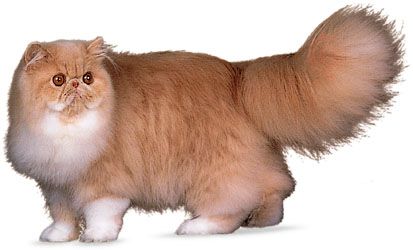
A longhair is a breed of domestic cat characterized by a long, soft, flowing coat. While historically referred to as Persians or Angoras, the term "longhair"…
What is Longhair Cat Breeds?
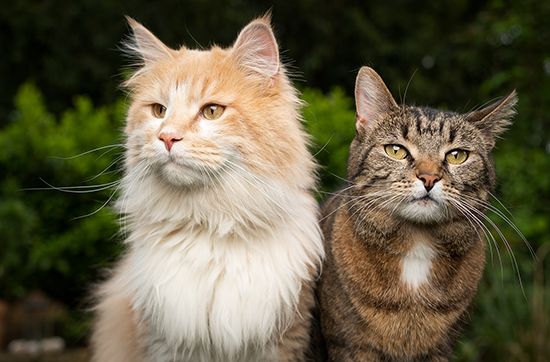
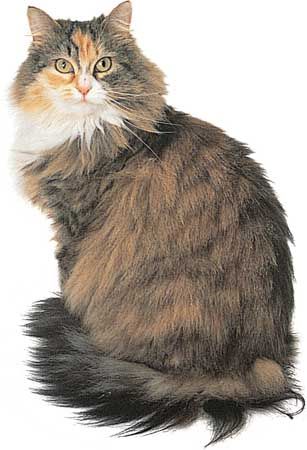
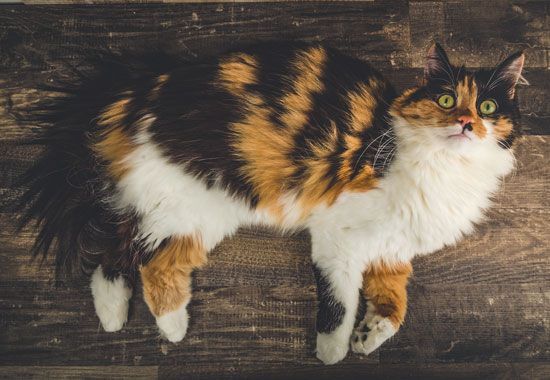
A longhair is a breed of domestic cat characterized by a long, soft, flowing coat. While historically referred to as Persians or Angoras, the term “longhair” is now used to categorize these cats, though they are still commonly called Persians in the United States.1
These cats are noted for their affectionate and playful nature. Due to the length and density of their fur, they require frequent grooming—often daily—to prevent tangles and mats, particularly around the ears, belly, and legs.12
Selected Longhair Breeds
Name
Origin
Characteristics
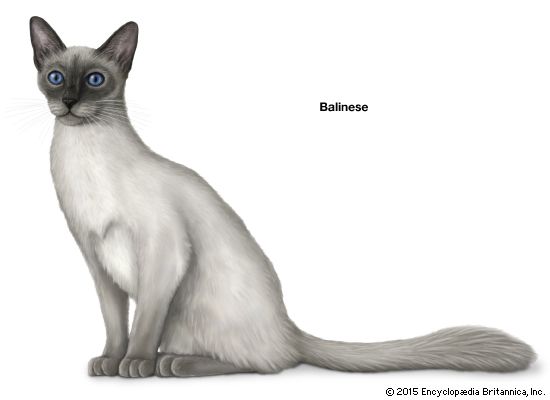
Balinese
U.S.
Svelte body; sapphire-blue eyes
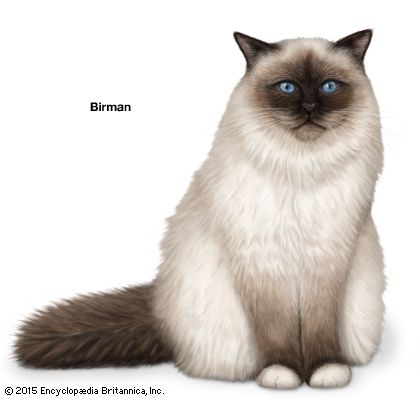
Birman
Burma
Deep blue eyes; white-gloved paws
Cymric
Canada
Stout; tailless (longhair Manx)
Himalayan
U.S., Europe
Cobby body; sapphire-blue eyes
Maine Coon
U.S.
Large; shaggy coat
Norwegian Forest
Norway
Robust; double coat
Persian
Unknown
Cobby body; massive head
Ragdoll
U.S.
Heavy build; blue eyes
Somali
U.S.
Lithe; full brush tail
Turkish Angora
Turkey
Long plumed tail; pointed ears
How do you properly groom a longhair cat to prevent matting?
To properly groom a longhair cat and prevent painful matting, you should establish a consistent routine, ideally starting when the cat is three months old to ensure they become accustomed to the process.34
Essential Grooming Practices
- Frequency: Because longhaired breeds—such as the Maine Coon and Norwegian Forest Cat—have dense, downy undercoats, they require daily or near-daily combing.3
- Tools: Use a stainless steel comb rather than a “slicker” brush. Slicker brushes often slide over the surface of the fur, failing to reach the base where mats begin to form.3
- Target Areas: Pay special attention to areas where cats struggle to groom themselves, specifically behind the ears, under the arms, on the belly, and along the back of the legs (the “britches”).3
- Health Benefits: Regular grooming not only prevents mats, which can become a significant health concern, but also helps reduce the ingestion of loose hair, thereby lowering the risk of hairballs. Additionally, these sessions allow you to monitor your cat’s health by checking for lumps or abscesses.4
What are the main differences between longhair and shorthair cat breeds?
The primary differences between longhair and shorthaired cat breeds center on coat texture, grooming requirements, and physical build.
Coat and Grooming
- Longhair Breeds: These cats are defined by their long, soft, flowing coats, which often include a dense, downy undercoat. Because of this, they are highly prone to developing mats in areas that are difficult for them to groom, such as behind the ears, under the arms, on the belly, and along the back of the legs. Consequently, they require frequent, often daily, combing with a stainless steel comb to maintain coat health.41
- Shorthair Breeds: Grooming needs vary significantly within this category. Breeds like the Siamese have extremely short hair and minimal undercoat, requiring very little maintenance except during seasonal shedding periods. Conversely, shorthairs with thicker, medium-length fur—such as the British Shorthair or the Exotic—possess dense undercoats that necessitate regular, year-round grooming to prevent matting.3
Physical Characteristics
- Longhairs: Often described as having a “cobby” (stocky) body type with a broad, round head, a snub nose, and a heavily haired tail.4
- Shorthairs: While standards vary by breed, purebred shorthairs are generally required to be sturdily built with strong-boned legs and rounded features. They exhibit a wider range of body types, from the lithe, slender Abyssinian to the robust [Chartreux].2
Why do some longhair cat breeds require more frequent grooming than others?
The frequency of grooming required for longhair cat breeds is primarily determined by the texture and density of their fur. While all longhaired cats require more attention than many shorthaired breeds, the specific needs vary based on the following factors:
Coat Texture and Density
- Undercoat Thickness: Cats with long, dense, downy undercoats are at a much higher risk for developing tangles and mats. Breeds such as the Persian, Maine Coon, and Norwegian Forest Cat possess coats that are particularly prone to matting, necessitating daily or near-daily combing to maintain skin and fur health.3
- Coat Type: Cats with cottony or curly coats also require more frequent intervention than those with silkier, less dense hair, as these textures are more likely to trap debris and form knots.3
Accessibility
Even with a cat’s natural ability to groom itself using its specialized tongue, certain areas are difficult for them to reach. Mats frequently develop behind the ears, under the arms, on the belly, and along the back of the legs, or “britches.” Because these areas are hard to access, owners must provide consistent grooming assistance to prevent painful matting.34
Sources
- longhair — Encyclopædia Britannica
- cat - List of selected longhair breeds — Encyclopædia Britannica
- cats as pets - Longhaired cats — Encyclopædia Britannica
- cats as pets - Shorthaired cats — Encyclopædia Britannica
- cats as pets - Grooming cats — Encyclopædia Britannica
- domestic shorthair — Encyclopædia Britannica
Published on · 4 min read