Lookout Mountain
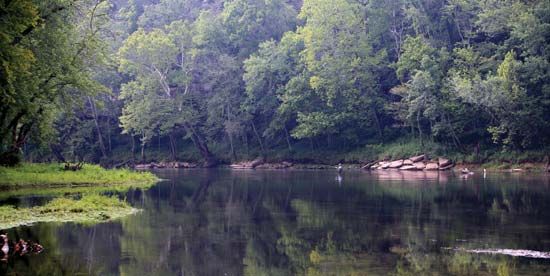
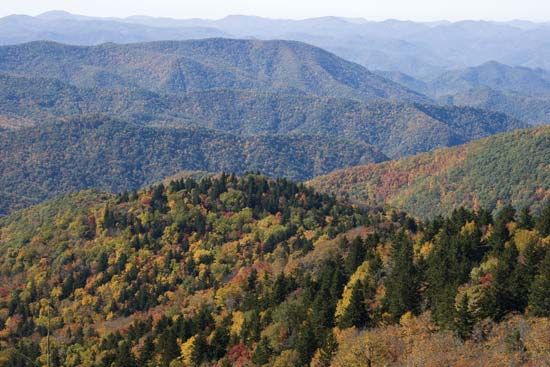
Lookout Mountain, a ridge of the Cumberland Plateau, features several notable geological attractions within its interior and along its summit.
Are there any notable caves or rock formations within Lookout Mountain?
Lookout Mountain, a ridge of the Cumberland Plateau, features several notable geological attractions within its interior and along its summit.1
- Ruby Falls: Located in the interior of the mountain, this site features caves that house a 145-foot (45-metre) high waterfall.1
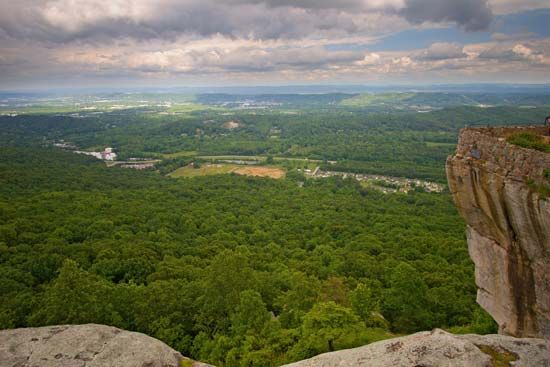
- Rock City: Situated atop the mountain, these gardens are famous for their unique and strange rock formations.1
What are some of the famous attractions or landmarks on Lookout Mountain?
Lookout Mountain, a ridge of the Cumberland Plateau and part of the Appalachian Mountains, is home to several notable landmarks and attractions:1
- Ruby Falls: Located within the interior of the mountain, this site features a spectacular 145-foot (45-metre) high waterfall hidden inside the caves.1
- Rock City: Situated at the summit, these gardens are renowned for their unique and strange rock formations.1
- Incline Railway: At the northeastern end of the ridge, a steep-incline railway transports visitors to the top of the peak, offering excellent scenic views.1
- Historical Sites: The mountain is the site of the 1863 American Civil War engagement known as the Battle of Lookout Mountain, often referred to as the “Battle Above the Clouds”.1
How did Lookout Mountain play a role in American history, particularly during the Civil War?
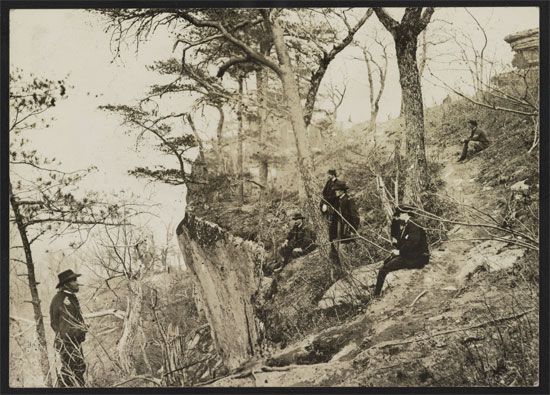
Lookout Mountain played a pivotal role in the American Civil War as the site of a decisive 1863 engagement that helped break the Confederate siege of Union forces in Chattanooga, Tennessee.31
Strategically, Chattanooga served as a vital railroad junction for the Confederacy. In September 1863, a Union army was besieged there by Confederate forces under General Braxton Bragg. Following the arrival of General Ulysses S. Grant to take command, Union reinforcements led by General Joseph Hooker launched an assault on the mountain.1
The resulting conflict, fought in November 1863, is famously known as the “Battle Above the Clouds.” This victory, alongside the success at Missionary Ridge, forced the Confederate army to retreat into Georgia and opened the path for General William Tecumseh Sherman’s subsequent campaigns. The outcome was a major turning point, ranking in strategic importance with the battles of Vicksburg and Gettysburg.41
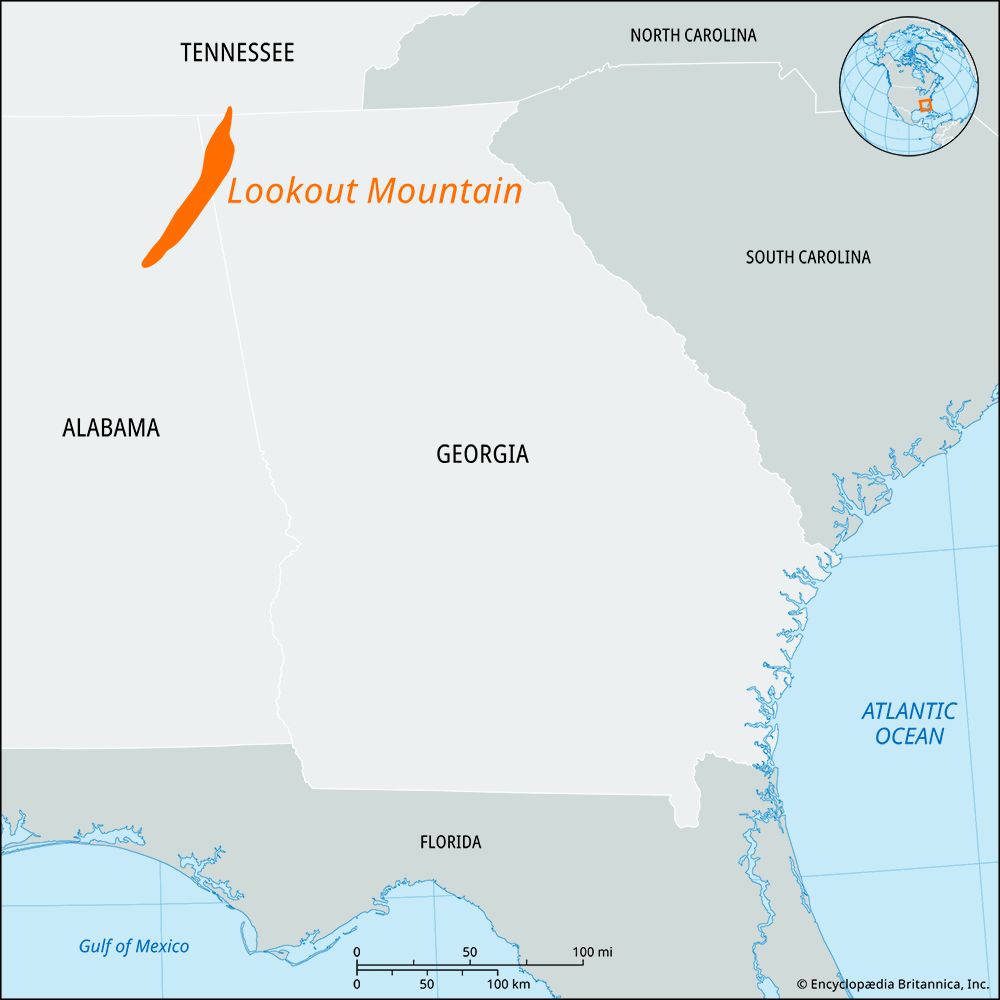
Where is Lookout Mountain located and which states does it span?
Lookout Mountain is a narrow, southwestern ridge of the Cumberland Plateau and a segment of the Appalachian Mountains in the United States.1
The ridge extends south-southwestward for 75 miles (120 km), spanning three states:1
Sources
- Lookout Mountain — Encyclopædia Britannica
- Lookout Mountain — Merriam-Webster
- Battle of Lookout Mountain — Encyclopædia Britannica
- Battle of Chattanooga — Encyclopædia Britannica
- Cumberland Plateau — Encyclopædia Britannica
Published on · 2 min read