Lötschen Pass
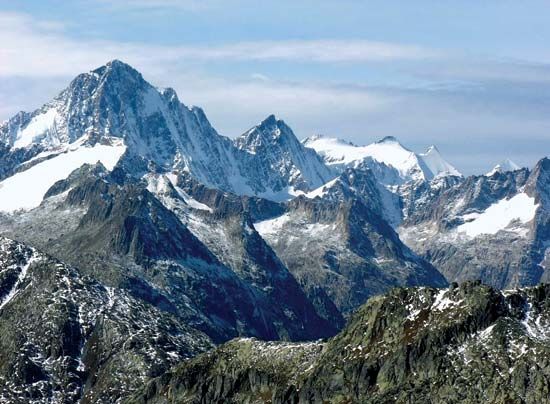
The Lötschen Pass has served as a vital link between the Bernese Alps and the Valais region for centuries. Historically, the pass facilitated the migration…
How has the Lötschen Pass influenced the culture and traditions of nearby communities?
The Lötschen Pass has served as a vital link between the Bernese Alps and the Valais region for centuries. Historically, the pass facilitated the migration of the people of Valais, who crossed it to colonize various parts of the Bernese Alps.1
This strategic connection also fostered conflict, as evidenced by battles fought on the pass between the Bernese and the Valaisans in 1384 and 1419. While the pass was once a primary route for human movement, the construction of the Lötschberg Tunnel between 1907 and 1913 shifted the focus of regional transit from the high-altitude glacier path to modern rail infrastructure, connecting Kandersteg and the Lötschen Valley beneath the mountains. Today, the surrounding Bernese Alps are renowned for their scenery, which has shaped the cultural and economic identity of nearby communities by establishing them as popular destinations for tourism and mountain climbing.12
Are there any notable legends or folklore associated with the Lötschen Pass?
Sorry, the Britannica knowledge base does not contain information regarding specific legends or folklore associated with the Lötschen Pass.
How does the Lötschen Pass connect different regions or valleys in Switzerland?
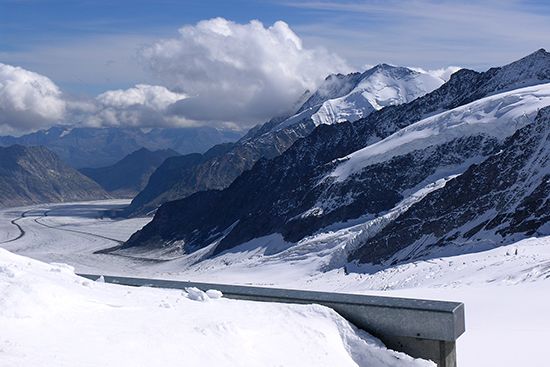
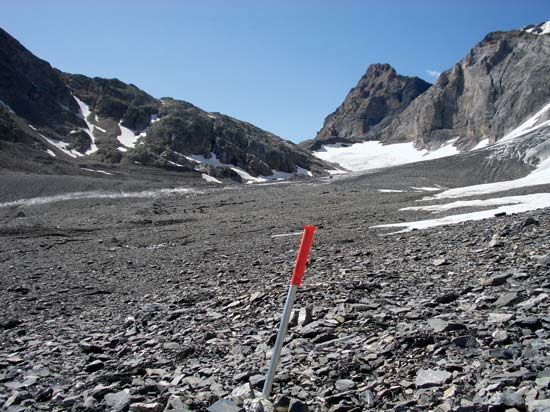
The Lötschen Pass is a high-altitude glacier pass situated at 8,825 feet (2,690 meters) in the Bernese Alps. It serves as a historic transit route connecting Kandersteg in the canton of Bern to the north with the Lötschental (Lötschen Valley) in the canton of Valais to the south.1
While the pass was historically used by the people of Valais to migrate and colonize areas within the Bernese Alps, modern transit has largely shifted underground. The Lötschberg Tunnel, a 9-mile (14-km) railway link constructed between 1907 and 1913, now facilitates travel between Bern and Brig. This tunnel runs beneath the pass, connecting the area above Kandersteg directly to Goppenstein in the Lötschental.1
It is important to note that the Lötschen Pass is distinct from the Lötschenlücke, which is a separate glacier pass leading from the head of the Lötschental toward the Aletsch Glacier.1
What is the geographical location of the Lötschen Pass in Switzerland?
The Lötschen Pass is a glacier pass located at an elevation of 8,825 feet (2,690 meters) within the Bernese Alps in southern Switzerland. Geographically, it serves as a transit point between Kandersteg in the canton of Bern to the north and the Lötschental (Lötschen Valley) in the canton of Valais to the south.1
Sources
- Lötschen Pass — Encyclopædia Britannica
- Bernese Alps — Encyclopædia Britannica
- Valais — Encyclopædia Britannica
Published on · 2 min read