Lotus
The term "lotus" refers to several distinct plants, but the sacred lotus (Nelumbo nucifera) is the most prominent in traditional cuisine and medicine across…
How have lotus plants been used in traditional medicine and cuisine across various cultures?
The term “lotus” refers to several distinct plants, but the sacred lotus (Nelumbo nucifera) is the most prominent in traditional cuisine and medicine across Asia.12
Culinary Uses
The sacred lotus is entirely edible. Its starchy rhizomes are a staple in China, Japan, and India, where they are boiled, fried, stuffed with meat, or preserved in sugar. The young leaves are often used as vegetable wraps for steamed dishes, while the stamens and dried petals are used to flavor tea. Additionally, lotus seeds are a nutritious ingredient in various foods, including Chinese mooncakes. Historically, the American lotus served as a vital starchy food source for American Indians.13
Medicinal and Cultural Significance
In traditional Eastern medicine, lotus seeds are valued for their purported longevity-promoting properties and are used to treat various ailments. Beyond medicine, the plant holds deep spiritual significance in Hinduism and Buddhism as a symbol of enlightenment, while in ancient Egypt, it represented rebirth.13
What are the different types of lotus plants, and where are they commonly found?
The term “lotus” is applied to several unrelated plants, leading to frequent confusion. It is important to distinguish between the aquatic plants of the family Nelumbonaceae and other species that share the name lotus.
The Nelumbonaceae Family
This family consists of two primary aquatic species, often called “lotus-lilies,” which are distinct from true water lilies:32
- Sacred Lotus (Nelumbo nucifera): Native to tropical and subtropical Asia, this plant is famous for its large, fragrant pink or white flowers and leaves that rise high above the water surface.32
- American Lotus (Nelumbo lutea or N. pentapetala): Found in the eastern United States and southward to Colombia, this species is similar to the sacred lotus but features pale yellow blossoms.31
Other Plants Called “Lotus”
Several other plants carry the name due to historical or cultural associations:1
- Egyptian Lotus: Refers to white or blue water lilies (Nymphaea lotus and N. caerulea) native to Africa, which were central to ancient Egyptian art and culture.1
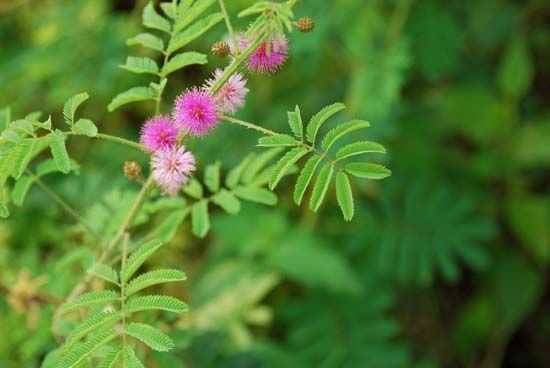
- Genus Lotus: A group of about 100 species in the pea family, such as the bird’s-foot trefoil. These are low-growing plants found in temperate regions across Europe, Asia, Africa, and North America.1
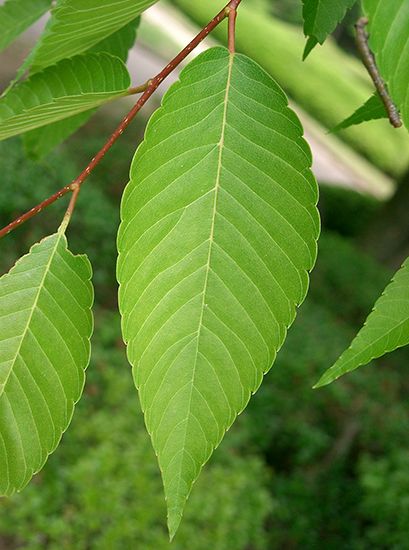
- Historical References: The “lotus of the Greeks” (Ziziphus lotus) is a Mediterranean bush, while the “lotus tree” of the Romans is believed to be the nettle tree (Celtis australis).1
What is the cultural and religious significance of lotus plants in different parts of the world?
Across various cultures and throughout history, the lotus has served as a profound symbol of spiritual and cultural significance, representing concepts such as purity, rebirth, and enlightenment.21
Spiritual and Religious Symbolism
- Hinduism and Buddhism: The sacred lotus (Nelumbo nucifera) is a central icon in both traditions. Because it blossoms above muddy waters, it is viewed as a metaphor for the rise to spiritual enlightenment and liberation from the material world. This symbolism is famously embodied in the Lotus Temple in Delhi, a Baha’i house of worship designed to reflect the flower’s purity and elegance.14
- Ancient Egypt: The Egyptian lotus—specifically the white and blue water lilies—was a vital symbol of rebirth and the rising sun. It was frequently depicted in art and used as an architectural motif, particularly in the design of column capitals.215
Cultural and Artistic Legacy
Beyond its religious roles, the lotus has been a persistent ornament in architecture, influencing designs from ancient Phoenician stela capitals to the Ionic order. Historically, the plant has also been associated with themes of fertility, sexuality, and the cycle of life and death.2
What are the main characteristics of lotus plants, and how do they differ from other aquatic plants?
Lotus plants, belonging to the family Nelumbonaceae, are distinct aquatic plants characterized by several unique botanical features that separate them from other water lilies in the order Nymphaeales.
Main Characteristics
- Structure: Lotus plants feature circular, centrally stalked leaves that are funnel- or cup-shaped and can reach up to 60 cm in diameter. Unlike many other aquatic plants, these leaves and the large, fragrant flowers stand high above the water surface on strong, leafless stalks.32
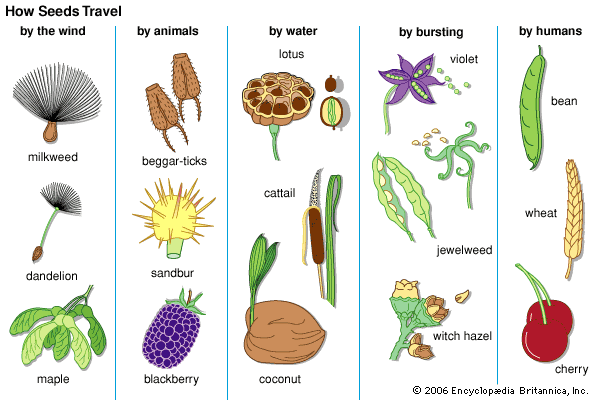
- Reproduction: The plant produces nutlike fruits within a flat, spongy, capsule-like receptacle. As this structure matures, it dries and breaks off, floating to release seeds that eventually sink to establish new plants.32
- Longevity: Lotus seeds are noted for their remarkable durability, with some capable of germinating after remaining viable in river mud for centuries.32
Differences from Other Aquatic Plants
While they share a superficial resemblance to water lilies, lotus plants are evolutionarily distinct. Key differences include:32
- Botanical Anatomy: Unlike members of the Nymphaeaceae family, lotus plants lack latex-bearing tubes and possess pores in their seed coats.3
- Chromosomal Makeup: There are significant chromosomal differences between the two groups, leading some authorities to classify them in a separate order, Nelumbonales.3
- Growth Habit: While many water lilies have leaves that float directly on the water surface, lotus leaves and flowers are characteristically emergent, rising significantly above the water.32
Sources
- Sacred lotus — Encyclopædia Britannica
- lotus — Encyclopædia Britannica
- Nelumbonaceae — Encyclopædia Britannica
- Egyptian lotus — Merriam-Webster
- 23 Must-See Buildings for Your First Trip to India - Lotus Temple — Encyclopædia Britannica
- Nymphaeales — Encyclopædia Britannica
Published on · 4 min read