Nymphaeales
The order Nymphaeales consists of aquatic flowering plants found in quiet freshwater habitats throughout most of the world. The order is divided into three…
What are some well-known examples of plants in the Nymphaeales order, and where can they be found?
The order Nymphaeales consists of aquatic flowering plants found in quiet freshwater habitats throughout most of the world. The order is divided into three families: Nymphaeaceae, Cabombaceae, and Hydatellaceae.1
Well-Known Examples
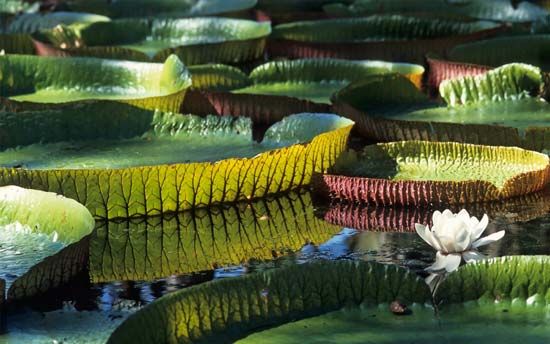
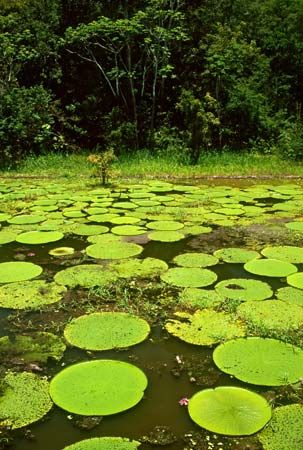
- Water Lilies (Nymphaea): These are the most widely cultivated members of the order. Notable species include the North American white water lily (N. odorata) and the European white water lily (N. alba). The giant water lilies of the genus Victoria, such as the Amazon water lily, are famous for their massive, pan-like floating leaves.12
- Yellow Pond Lily (Nuphar): Also known as the cow lily or spatterdock, this genus is distributed throughout the Northern Hemisphere.2
- Fanworts (Cabomba) and Water Shields (Brasenia): These belong to the family Cabombaceae and are often found in North and South America.21
- Hydatella: A genus of small, grasslike aquatic herbs native to India, New Zealand, and Australia.1
How have humans used Nymphaeales plants throughout history?
Throughout history, humans have utilized plants within the Nymphaeales order—commonly known as water lilies—primarily for their nutritional value and aesthetic appeal.
Nutritional Uses
The larger species within this order have served as significant food sources for human populations throughout history. Humans have historically consumed:
- Rhizomes: The starchy, horizontal creeping rhizomes of these plants are edible and have been harvested as a source of food.3
- Seeds: The protein-rich seeds of larger species have also been utilized as a dietary staple.3
Ornamental and Cultural Significance
Beyond sustenance, these plants have been prized for their beauty and symbolic importance:
- Cultivation: Due to their attractive foliage and showy flowers, many members of the order are widely cultivated in aquatic gardens, pools, and conservatories.34
- Symbolism and Art: While often confused with the unrelated Nelumbo (sacred lotus), water lilies like the blue lotus (Nymphaea caerulea) were prominent in ancient Egyptian art, where they symbolized concepts such as fertility, purity, and rebirth.42
It is important to note that while some plants like the Nelumbo (lotus) are often grouped with water lilies in common parlance, they belong to a different botanical order (Proteales) and possess distinct evolutionary characteristics.52
What is the evolutionary history and significance of the Nymphaeales order?
The order Nymphaeales, commonly known as the water lily order, represents an ancient and significant lineage of flowering plants. Their evolutionary history is deeply intertwined with the broader development of angiosperms during the Cretaceous Period.28
Evolutionary History
Nymphaeales are considered one of the early-diverging lineages of flowering plants. While early hypotheses once suggested that extinct aquatic plants like Archaefructus might represent the ancestral morphology of all flowers, many researchers now view such plants as being closely related to modern water lilies rather than the base of the entire angiosperm tree.2
The order has persisted since at least the Albian Age (approximately 113 to 100.5 million years ago), maintaining its herbaceous, aquatic lifestyle while other angiosperms diversified into woody forms. Their evolutionary success is linked to their specialized adaptation to quiet freshwater habitats, a niche they have occupied for millions of years.89
Evolutionary Significance
- Ecological Succession: Nymphaeales play a critical role in plant succession, acting as a biological bridge that facilitates the transition of environments from ponds to swamps and eventually to wet prairies.9
- Reproductive Adaptations: The order exhibits a variety of pollination strategies, ranging from insect-pollination in most species to rare instances of wind-pollination, demonstrating the evolutionary flexibility of their floral structures.9
- Morphological Stability: Unlike many land plants that returned to the water and subsequently lost evolutionary potential, Nymphaeales have successfully maintained their diversity within aquatic ecosystems, providing essential cover and food sources for fish, birds, and other wildlife.29
What role do Nymphaeales plants play in aquatic ecosystems?
Plants in the Nymphaeales order are essential components of quiet freshwater habitats, where they provide critical structural and nutritional support for various forms of life.
Ecological Roles
- Habitat and Shelter: The petioles (leaf stalks) of these plants serve as vital cover for fish and provide holdfasts for their spawn. Additionally, the emergent leaves offer necessary shelter for aquatic birds.2
- Food Source: These plants are a significant food resource within their ecosystems. Hoofed wildlife browse on various plant parts, while the seeds of many species serve as a food source for both fish and fowl.2
- Plant Succession: Because they grow rapidly and can effectively colonize water bodies, members of this order act as an essential link in the process of plant succession, helping to transition environments from ponds to swamps and eventually to wet prairies.2
By occupying these niches, Nymphaeales contribute to the biodiversity and physical development of the aquatic environments they inhabit.
Sources
- water lily — Encyclopædia Britannica
- Nymphaeales — Encyclopædia Britannica
- Nelumbonaceae — Encyclopædia Britannica
- lily — Encyclopædia Britannica
- Nymphaeaceae — Merriam-Webster
- water lily — Merriam-Webster
- lotus — Encyclopædia Britannica
- Archaefructus — Encyclopædia Britannica
- angiosperm - Paleobotany and evolution — Encyclopædia Britannica
Published on · 4 min read