MacCarthy Island
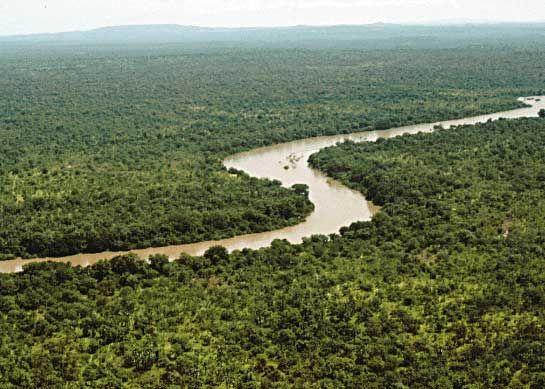
MacCarthy Island is an island located in the Gambia River, situated 176 miles (283 km) upstream from Banjul in central Gambia.
What is MacCarthy Island?
MacCarthy Island is an island located in the Gambia River, situated 176 miles (283 km) upstream from Banjul in central Gambia.1
Measuring 6 miles (10 km) long and 1.5 miles (2.5 km) wide, the island was ceded to the British crown in 1823 by Captain Alexander Grant. It was originally designated as a settlement for freed slaves and named in honor of Sir Charles MacCarthy, who served as a British colonial governor from 1814 to 1824. During the 1830s, the Wesleyan Mission introduced peanut cultivation to the island’s port town, Georgetown. Today, the island is primarily inhabited by the Malinke (Mandingo) people, with a population of approximately 2,510.1
What is the significance of the Gambia River to the country?
The Gambia River is the dominant geographical and economic feature of The Gambia, serving as the unifying artery for the nation, which consists of a narrow strip of land along both its banks.234
Its significance to the country includes:
- Transportation: As one of the most navigable rivers in Africa, it is the principal means of transporting passengers, freight, and mail throughout the territory. It has historically been the primary route between the interior and the coast, and it remains vital for north-south connectivity via ferries.25
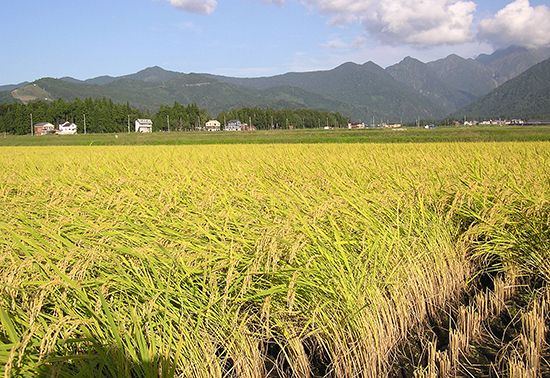
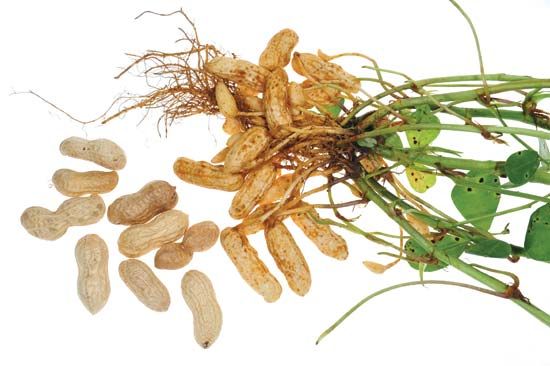
- Agriculture: The river is essential to the national economy. The fertile alluvial loams of the middle river flats are used for intensive rice cultivation, while the higher, well-drained sandy soils are ideal for growing peanuts, the country’s most valuable agricultural commodity.26
- Ecology: The river supports a diverse habitat for wildlife, including hippopotamuses, crocodiles, and hundreds of bird species, while its mangrove swamps and creeks provide significant natural resources.2
How did peanut cultivation impact the economy of The Gambia?
Peanut cultivation has historically served as the cornerstone of The Gambia’s economy, shaping its development and trade patterns for decades.
- Economic Foundation: The Gambia achieved a degree of colonial prosperity by concentrating on the production of peanuts, which remain the country’s most valuable agricultural commodity and a classic example of a monoculture economy.78
- Processing and Industry: Peanut processing is the nation’s most significant industry. The crop is managed by The Gambia Groundnut Corporation, which fixes prices, pays producers, and oversees the shelling process in towns like Banjul and Kuntaur. Much of the harvest is pressed into oil, with the residue utilized as cattle feed.9
- Challenges and Shifts: The industry has faced significant hurdles, including droughts in the 1970s and 1980s that damaged production and led to trade deficits. Furthermore, rural-to-urban migration has contributed to a decline in production, while the smuggling of peanuts into neighboring Senegal remains an ongoing economic challenge.48
Who are the Malinke people and what is their culture?
The Malinke are a West African people residing across Guinea, Ivory Coast, Mali, Senegal, The Gambia, and Guinea-Bissau. They speak a Mandekan language and are historically significant for establishing the Mali Empire, a powerful state that dominated the western Sudan from the 13th to the 15th century.10
Social and Cultural Structure
Unlike many of their more egalitarian neighbors, Malinke society is traditionally organized under a hereditary nobility. Their social structure is patrilineal, governing descent, inheritance, and succession. While the majority of the Malinke have practiced Islam since the 12th century, traditional religious beliefs often persist alongside their faith.1011
Lifestyle and Arts
The Malinke are primarily an agricultural people, cultivating staples such as millet and sorghum. They also keep small herds of cattle, which are valued for prestige, trade, and bride-price payments. Their traditional dwellings are typically cylindrical with thatched roofs, often arranged in groups surrounded by a palisade. In terms of craftsmanship, the Malinke are noted for their skill in jewelry making.1012
Cultural history is preserved by griots—oral historians and musicians who maintain genealogies and traditions using instruments like the kora.13
Sources
- MacCarthy Island — Encyclopædia Britannica
- Gambia River — Encyclopædia Britannica
- The Gambia - Transportation — Encyclopædia Britannica
- The Gambia - Agriculture, forestry, and fishing — Encyclopædia Britannica
- The Gambia — Encyclopædia Britannica
- The Gambia - Relief and drainage — Encyclopædia Britannica
- The Gambia - Manufacturing — Encyclopædia Britannica
- Western Africa - British territories — Encyclopædia Britannica
- The Gambia - Finance and trade — Encyclopædia Britannica
- Malinke — Encyclopædia Britannica
- history of Mali - Precolonial history of Mali — Encyclopædia Britannica
- Did you know? — Merriam-Webster
- Mali - The arts of Mali — Encyclopædia Britannica
- Mali - Religion — Encyclopædia Britannica
Published on · 3 min read