The Anthropocene Epoch: Adding Humans to the Chart of Geologic Time
The Anthropocene Epoch is a proposed, unofficial interval of geologic time representing the period during which human activities have significantly altered…
What is The Anthropocene Epoch: Adding Humans to the Chart of Geologic Time?
The Anthropocene Epoch is a proposed, unofficial interval of geologic time representing the period during which human activities have significantly altered Earth’s surface, atmosphere, oceans, and nutrient cycles. The term, meaning “recent age of man,” was coined in the late 1980s and popularized by chemist Paul Crutzen in 2000.1
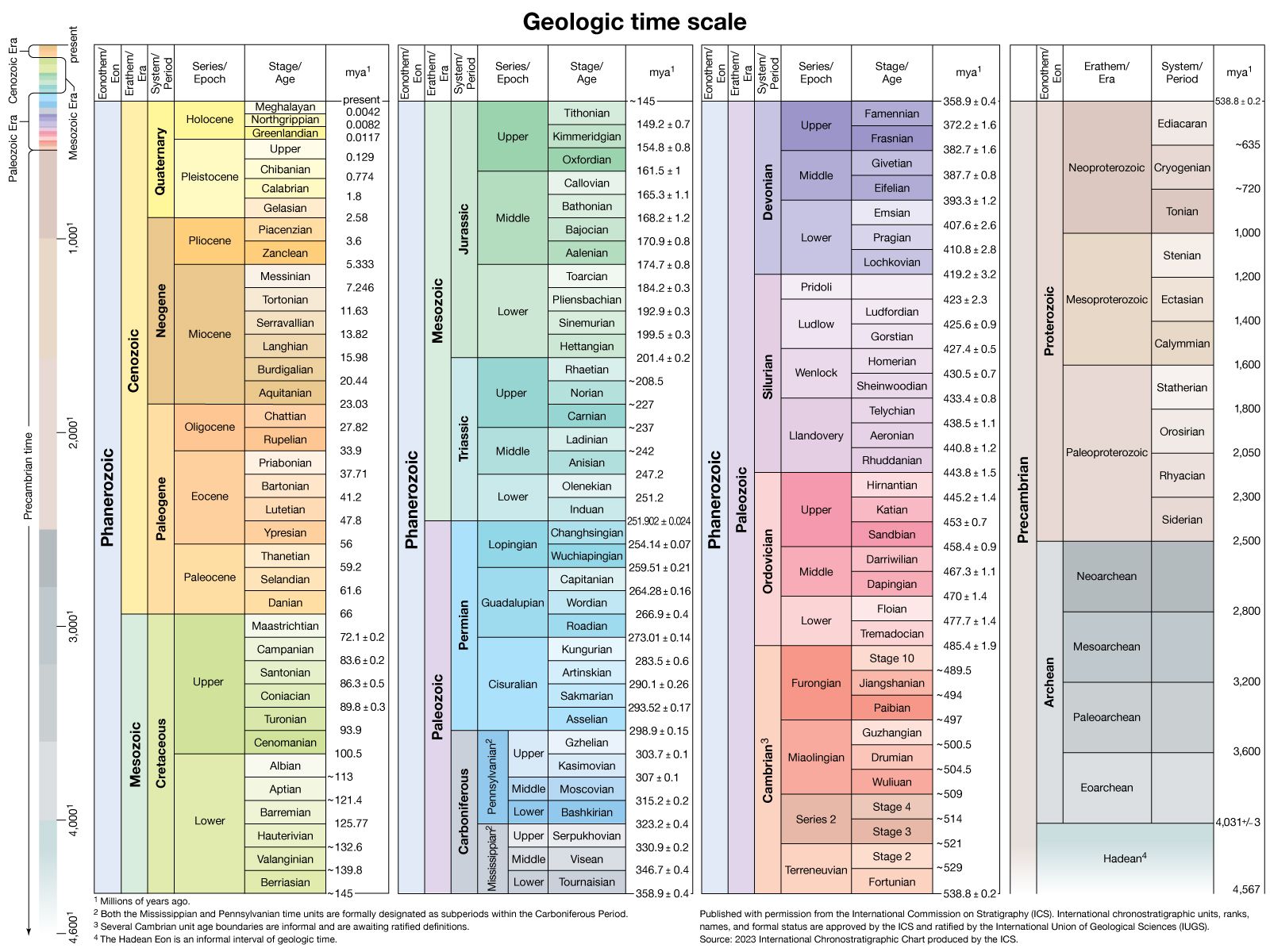
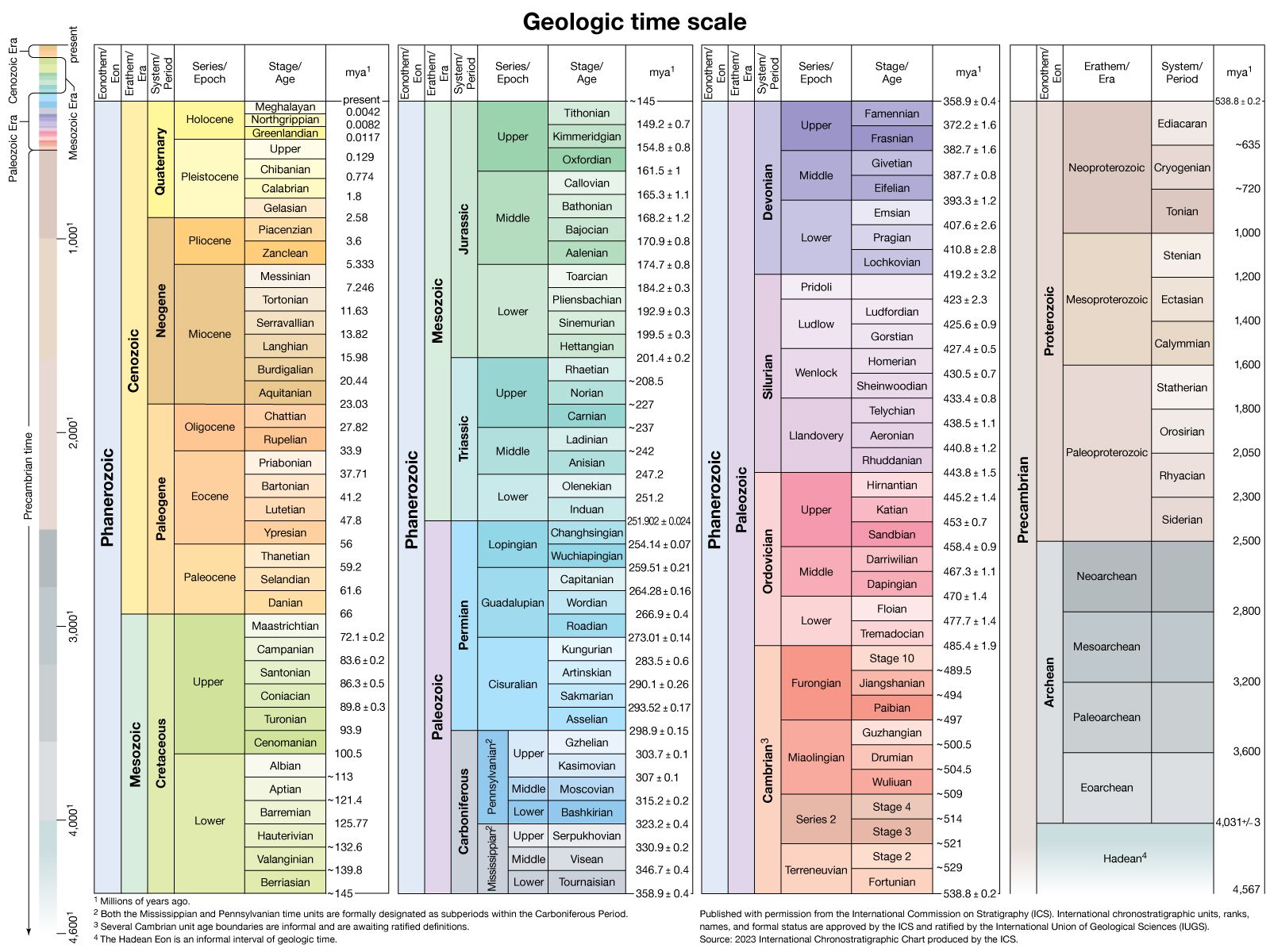
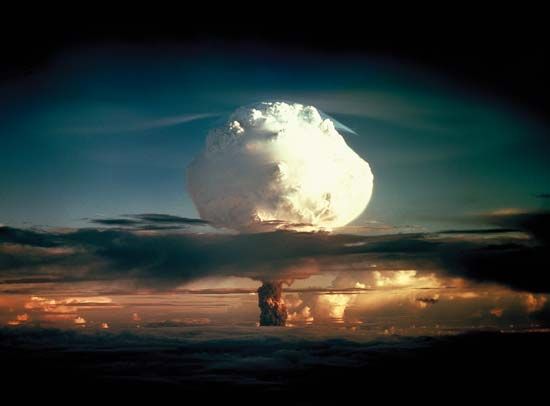
While proponents argue it should follow the Holocene Epoch, it is not yet a formal geological interval. Formalization requires approval by the International Union of Geological Sciences and the International Commission on Stratigraphy. Scientists debate its start date, with suggestions ranging from the dawn of the Industrial Revolution to the mid-20th century. In 2016, the Anthropocene Working Group recommended 1950 as the start date, citing the presence of plutonium isotopes from nuclear testing in the geologic record.12
Human impact is evidenced by widespread land conversion, ocean acidification, and significant shifts in climate patterns.3
What is the difference between the Holocene and the Anthropocene?
The primary difference between the Holocene and the Anthropocene lies in their status within the official geologic record and the specific criteria used to define them.
The Holocene Epoch
The Holocene Epoch is a formally recognized interval of geologic time that began approximately 11,700 years ago, following the end of the last major ice age. It serves as the current chronological framework for human history and has been officially subdivided into three stages: the Greenlandian, Northgrippian, and Meghalayan.4567
The Anthropocene Epoch
The Anthropocene is a proposed, unofficial geologic interval characterized by the profound impact of human activity on Earth’s systems, including the atmosphere, oceans, and biogeochemical cycles. Unlike the Holocene, it has not been formally adopted by the International Union of Geological Sciences. Proponents often suggest a start date around 1950, marked by the presence of plutonium isotopes from nuclear testing in the geologic record utonium) isotopes from nuclear testing in the geologic record.475
While the Holocene is defined by the emergence of human civilization following a period of natural climatic warming, the Anthropocene is proposed to distinguish the era of human domination over the planet’s ecological systems.475
How do scientists use radioactive particles to date rock layers?
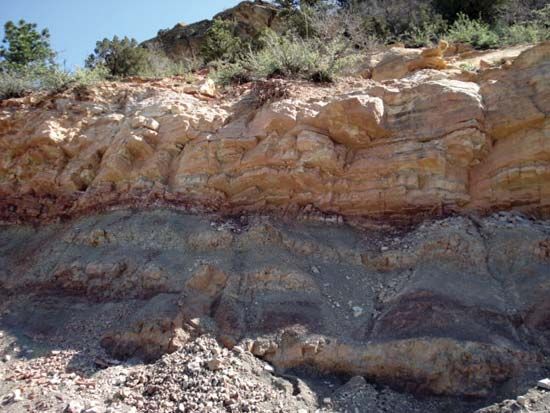
Scientists use radiometric dating to determine the age of rock layers by measuring the ratio of radioactive isotopes (parent atoms) to their stable decay products (daughter atoms) within a sample.89
How the Process Works
- Constant Decay: Radioactive isotopes decay into daughter atoms at a constant, known rate, characterized by a specific half-life—the time required for half of the parent atoms to decay.89
- Measurement: Using a mass spectrometer, scientists measure the current abundance of parent and daughter atoms. Because the decay rate is immutable and unaffected by external conditions like heat or pressure, this ratio serves as a reliable “clock” for the time elapsed since the rock or mineral formed.9
- Application: By comparing these ratios, researchers can calculate the age of geologic materials. Different isotopes are chosen based on the age of the rock; for example, uranium-lead dating is used for ancient rocks, while carbon-14 dating is used for younger, organic materials.810
In the context of the proposed Anthropocene Epoch, scientists specifically look for human-generated radioactive particles, such as plutonium isotopes from mid-20th-century nuclear testing, as a distinct marker in the geologic record.2
What is the Great Acceleration and how did it change the planet?
The Great Acceleration refers to a period of rapid, exponential growth in human activity and its impact on Earth’s natural systems that began in the mid-20th century, specifically following World War II.2
Characteristics of the Great Acceleration
Beginning around 1945, this era is defined by a dramatic surge in several key areas:
- Human Population: Global population growth rates reached unprecedented levels, driven by sharp declines in mortality due to advancements in public health, sanitation, and nutrition.211
- Resource Consumption: There was a massive increase in the use of fossil fuels, water, and other natural resources to support industrial production.2
- Technological and Social Change: The period saw a boom in international communication, food production, and the pace of land-use conversion.2
- Geologic Impact: The era is marked by the appearance of human-generated radioactive particles—specifically plutonium isotopes from nuclear weapons testing—in the global geologic record.2
Impact on the Planet
The Great Acceleration fundamentally altered the planet by intensifying human domination over Earth’s atmosphere, oceans, and biogeochemical cycles. Many scientists view this period as the definitive start of the Anthropocene Epoch, representing the moment when human influence became a primary force in shaping the Earth’s environment.2
Sources
- Anthropocene Epoch — Encyclopædia Britannica
- Anthropocene Epoch - When did the Anthropocene begin? — Encyclopædia Britannica
- Anthropocene Epoch - The scale of human activity — Encyclopædia Britannica
- Holocene Epoch — Encyclopædia Britannica
- The Anthropocene Epoch: Adding Humans to the Chart of Geologic Time — Encyclopædia Britannica
- Global warming - Climatic variation since the last glaciation — Encyclopædia Britannica
- Holocene Epoch - The Pleistocene–Holocene boundary — Encyclopædia Britannica
- dating: Top Questions — Encyclopædia Britannica
- dating - Origin of radioactive elements used — Encyclopædia Britannica
- dating - Principles of isotopic dating — Encyclopædia Britannica
- productivity - Early industrialization — Encyclopædia Britannica
- population - Trends in world population — Encyclopædia Britannica
- modernization - Population change — Encyclopædia Britannica
Published on · 3 min read