Malabar Hill
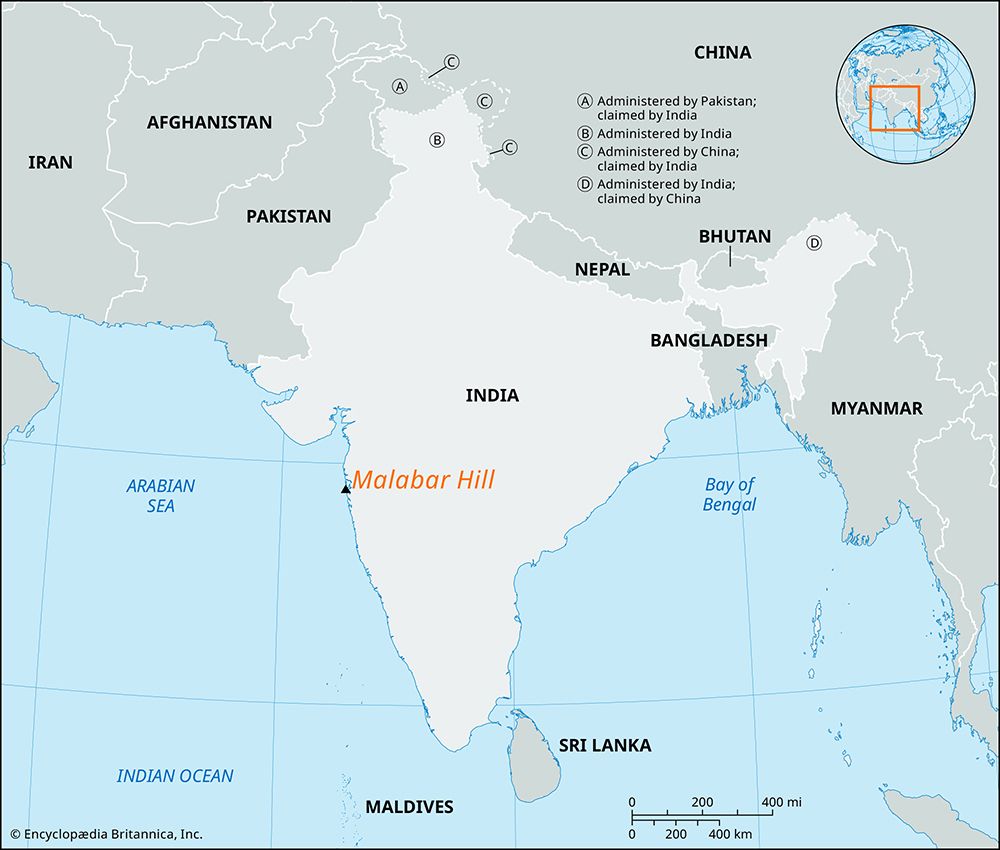
Malabar Hill is an elevated area in the city of Mumbai, India, rising 180 feet (55 meters) above sea level. It occupies the western prong of a forked…
What is Malabar Hill?
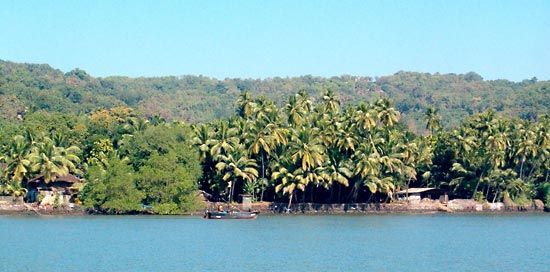
Malabar Hill is an elevated area in the city of Mumbai, India, rising 180 feet (55 meters) above sea level. It occupies the western prong of a forked peninsula that separates Mumbai Harbour from the Arabian Sea, curving to the north and west of Back Bay.1
The hill is recognized as one of Mumbai’s most prestigious residential neighborhoods. It is also home to notable public spaces, including the Pherozeshah Mehta Gardens—popularly known as the “Hanging Gardens”—and the Kamala Nehru Park. Additionally, the area features the historic Walkeswar Temple at Malabar Point, which is believed to have been constructed during the rule of the Shilahara chiefs between the 9th and 13th centuries.123
What is the historical significance of the Walkeswar Temple?
The Walkeswar Temple, located at Malabar Point in Mumbai, holds historical significance primarily as a relic of the medieval period in the region. It was likely constructed during the rule of the Shilahara chiefs, who governed the Konkan coast between the 9th and 13th centuries.4
Beyond its specific origins, the temple serves as a marker of the area’s long-standing cultural and religious history, predating the later colonial transformations of the city. While the temple represents the architectural and religious patronage of the Shilahara dynasty, it stands as one of the few enduring physical links to the pre-colonial era on the island, surviving through the subsequent shifts in power that saw the region pass from local dynasties to the Gujarat sultanate, the Portuguese, and eventually the British.4
How did the Hanging Gardens get their name?
Sorry, the Britannica knowledge base does not contain this information.
What are some other major landmarks in Mumbai?
Mumbai is home to several iconic landmarks that reflect its diverse history, architectural heritage, and cultural significance. Some of the most notable include:
- Gateway of India: An iconic arch monument completed in 1924, designed in the Indo-Saracenic style. It was built to commemorate the visit of King George V and Queen Mary and served as a symbolic entry and exit point during the British era.64
- Chhatrapati Shivaji Terminus: A stunning example of Victorian Gothic Revival architecture blended with traditional Indian elements. This major railway hub was designated a UNESCO World Heritage site in 2004.22
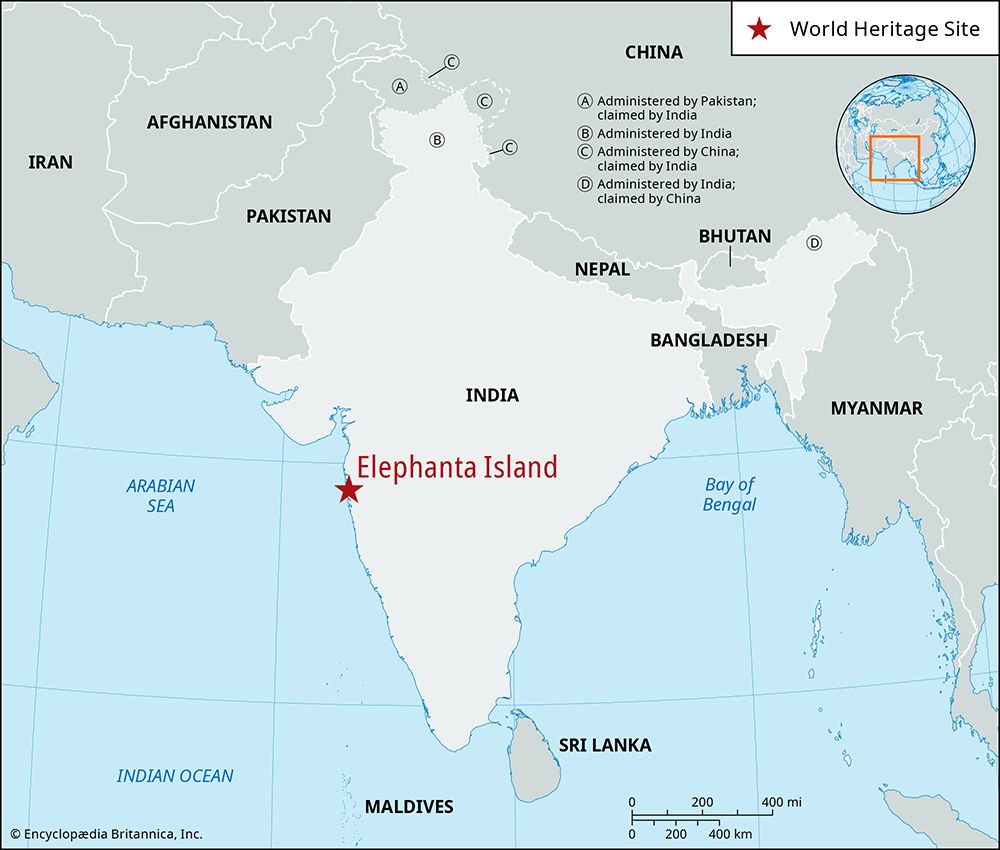
- Elephanta Island: Located in Mumbai Harbour, this site features famous 8th- and 9th-century cave temples carved into rock. The main temple contains elaborate sculptures, including the celebrated trimurti of Shiva, and is also a UNESCO World Heritage site.74
- Chhatrapati Shivaji Maharaj Vastu Sangrahalaya: Formerly known as the Prince of Wales Museum, this institution houses extensive collections of art, archaeology, and natural history within a building that showcases a unique blend of Hindu and Muslim architectural styles.4
- Malabar Hill: This area is home to popular public spaces such as the Pherozeshah Mehta Gardens (Hanging Gardens) and Kamala Nehru Park, offering scenic views and green space within the city.4
Sources
- Malabar Hill — Encyclopædia Britannica
- Mumbai - Cultural life — Encyclopædia Britannica
- Mumbai - History of Mumbai — Encyclopædia Britannica
- Elephanta Island — Encyclopædia Britannica
- Mumbai - City site — Encyclopædia Britannica
- Gateway of India — Encyclopædia Britannica
- Chhatrapati Shivaji Terminus — Encyclopædia Britannica
Published on · 2 min read