Konkan
The Konkan region, a coastal plain in western India, is home to several significant historical and archaeological sites that reflect its long history of…
What are some of the notable historical and archaeological sites found in the Konkan region?
The Konkan region, a coastal plain in western India, is home to several significant historical and archaeological sites that reflect its long history of trade and cultural development.
Notable Archaeological and Historical Sites
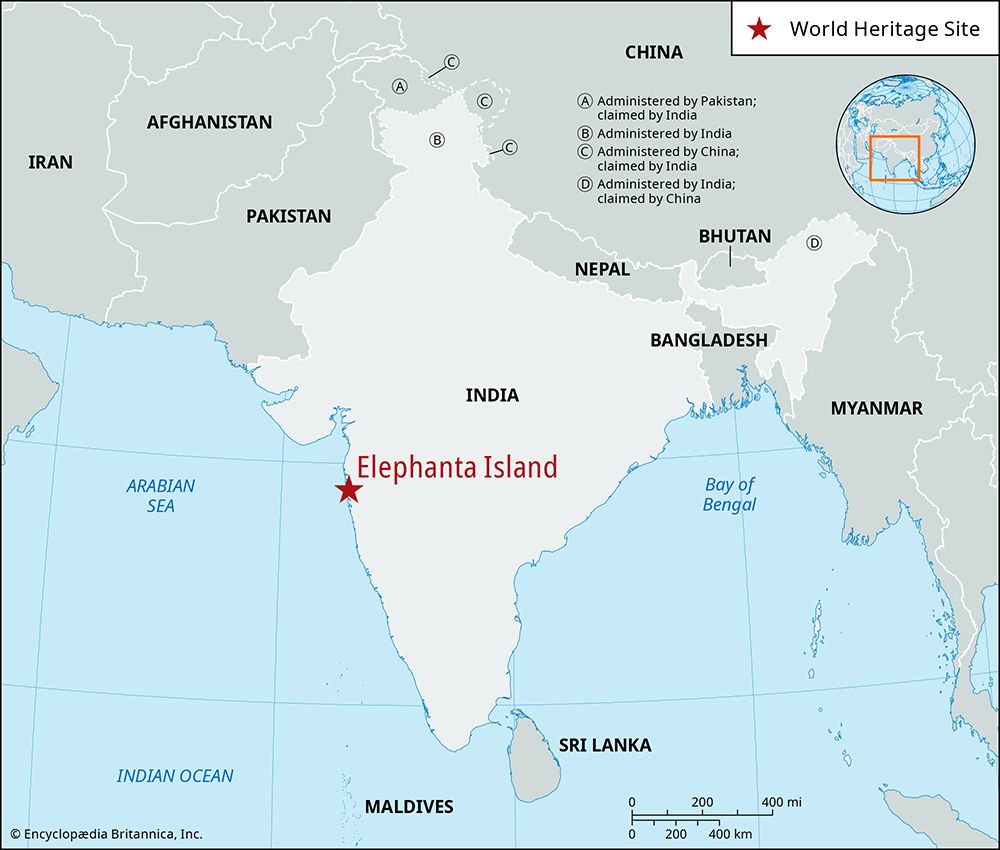
- Elephanta Island: Located in Mumbai Harbour, this site features famous 8th- and 9th-century cave temples designated as a UNESCO World Heritage site. The main temple contains elaborate rock-cut sculptures, including the celebrated trimurti of Shiva.12
- Kanheri Caves: These ancient rock-cut caves are another prominent example of the region’s prosperous early culture.2
- Raigad Region Sites: The Raigad area contains numerous ancient Buddhist cave temples, including those at Pal, Kol, Kuda, Kondane, and Ambivli.3
- Raigad Fort: Known as the “King’s Fort,” this site served as a major Maratha stronghold in the 17th century.3
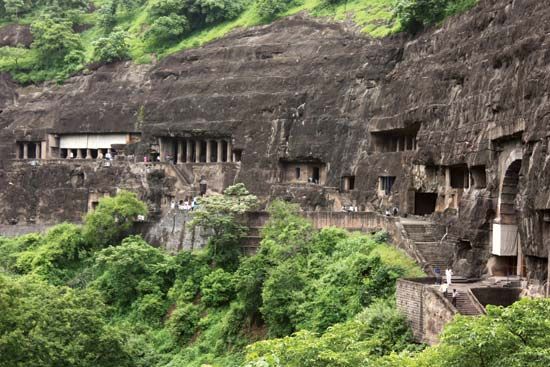
While the Ajanta Caves are a world-renowned archaeological site in Maharashtra, they are located in the north-central part of the state rather than within the Konkan coastal plain.45
What are the major cities and towns located in the Konkan region?
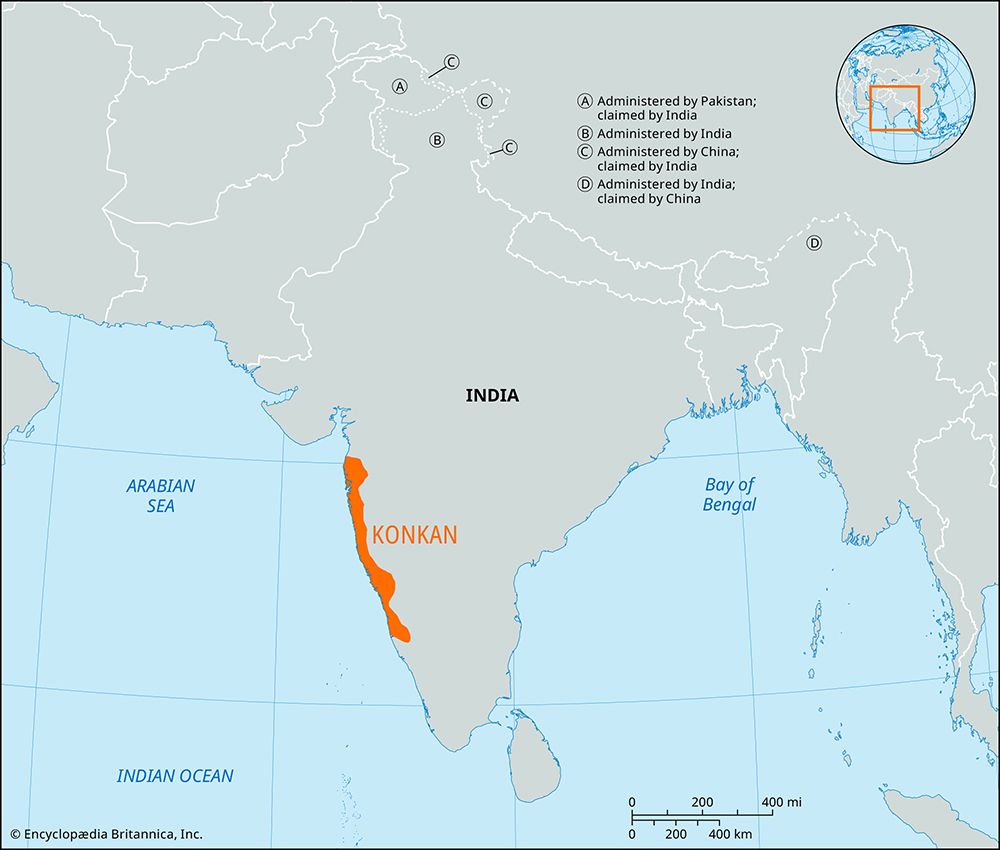
The Konkan region is a coastal plain in western India stretching approximately 330 miles between the Arabian Sea and the Western Ghats. It encompasses several key urban and industrial centers, as well as regions defined by their administrative and economic roles.
Major Cities and Industrial Hubs
- Greater Mumbai: The primary economic focus of the region and a major industrial complex.2
- Thane: A significant region and city within the Konkan area.2
- Khopali: A key industrial center located in the region.2
- Panvel: A notable town known for its newly developed industrial belt.2
Administrative and Regional Areas
The Konkan region also includes the following districts and areas:
- Greater Mumbai
- Thane
- Raigarh
- Ratnagiri
While the region extends south to the state of Goa, the primary economic activity and urban development are heavily concentrated around the industrial complex of Mumbai and its surrounding areas.2
What are the main geographical features of the Konkan coastal plain?
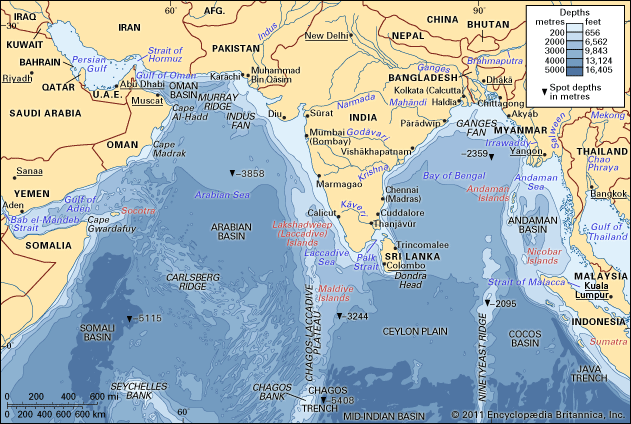
The Konkan is a coastal plain in western India, stretching approximately 330 miles (530 km) between the Arabian Sea to the west and the Western Ghats to the east. Its primary geographical features include:2
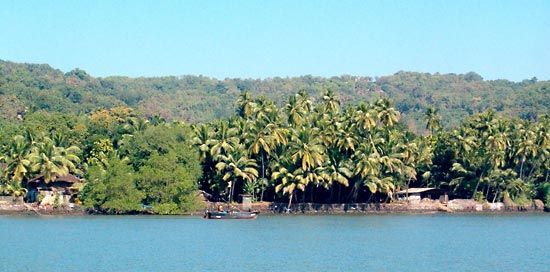
- Terrain and Topography: The region is characterized by generally uneven terrain composed of eroded remnant ranges of the Ghats. It features low-level lateritic plateaus in the west that terminate in a coastline marked by alternating headlands and bays, the latter often sheltering crescent-shaped beaches.27
- Hydrology: The area is indented with rias—flooded valleys that extend inland into narrow riverine plains. It is traversed by numerous seasonal rivers that drain heavy monsoonal rainfall from the crest of the Sahyadri Hills.72
- Climate: The region experiences a tropical, monsoonal climate with extremely heavy rainfall, averaging about 100 inches (2,540 mm) annually, which supports fertile river valleys.28
What are the main economic activities and industries in the Konkan region?
The economy of the Konkan region is diverse, balancing traditional agricultural practices with a rapidly expanding industrial sector centered around the Mumbai metropolitan area.
Agriculture and Primary Industries
While only about one-third of the land is cultivable, the fertile river valleys support essential agricultural production. Key crops include:
- Crops: Rice, pulses (legumes), vegetables, fruits, and coconuts.25
- Fishing and Salt: Fishing and salt manufacture remain vital economic activities along the coast.25
- Mining: The region extracts iron and manganese, which are exported through the port of Reddi.2
Manufacturing and Industrial Growth
The industrial complex of Greater Mumbai serves as the primary economic engine for the region. Northern areas, particularly around Thane, Khopali, and Panvel, have seen significant industrial development. Major industrial sectors include:25
- Heavy Industry: Petrochemicals, oil refining, and the manufacture of transport equipment, machinery, and electronics.11
- Specialized Manufacturing: Paper pulp, chemical production, and engineering works are predominant in the Raigad area.5
- Processing: Fruit canning and preservation are notable industries in areas like Ratnagiri and Mumbai.11
Sources
- Elephanta Island — Encyclopædia Britannica
- Konkan — Encyclopædia Britannica
- Ajanta Caves — Encyclopædia Britannica
- 11 Caves That Made History - Ajanta Caves — Encyclopædia Britannica
- Raigad — Encyclopædia Britannica
- Konkan — Merriam-Webster
- India - Coastal areas — Encyclopædia Britannica
- Ghats — Encyclopædia Britannica
- Western Ghats — Encyclopædia Britannica
- Maharashtra - Climate — Encyclopædia Britannica
- Maharashtra - Manufacturing — Encyclopædia Britannica
- India - Fishing — Encyclopædia Britannica
- Manipur - Agriculture, forestry, and fishing — Encyclopædia Britannica
Published on · 3 min read