Linden
The linden tree belongs to the genus Tilia. It is a member of the Malvaceae family, which is also known as the hibiscus or mallow family.
What is the scientific name for the linden tree, and to which plant family does it belong?
The linden tree belongs to the genus Tilia. It is a member of the Malvaceae family, which is also known as the hibiscus or mallow family.12
While older botanical classifications sometimes placed the genus in the family Tiliaceae, modern taxonomy recognizes it within the Malvaceae family. These trees are widely recognized for their heart-shaped leaves, fragrant flowers, and use as ornamental or shade trees in temperate regions.12
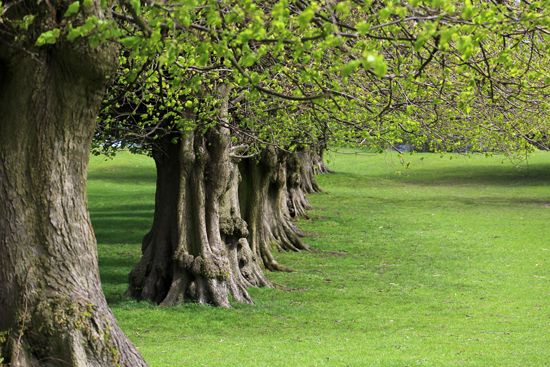
What are the distinctive physical characteristics of linden trees, including their leaves, flowers, and bark?
Linden trees (Tilia) are graceful, deciduous trees known for several distinct physical characteristics:
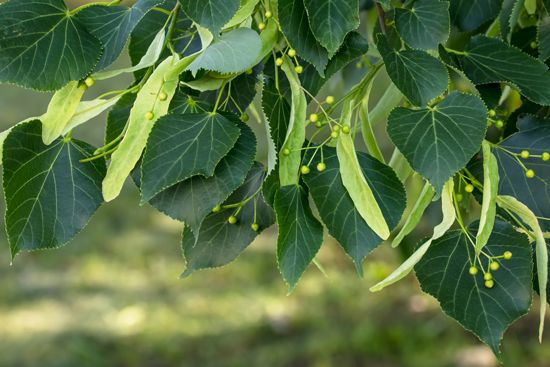
- Leaves: The leaves are characteristically heart-shaped (cordate) and feature coarse, toothed edges. They are often asymmetrical in their growth pattern.12
- Flowers: The trees produce fragrant, cream-colored flowers that are bisexual and typically pollinated by insects.1
- Fruits and Bracts: A unique feature of the linden is its small, globular fruits, which hang from narrow, winglike leafy bracts. These bracts are thought to assist in the dispersal of the seeds.12
- Bark: While specific bark patterns can vary by species, the bark serves as a protective outer layer formed by the cork cambium. It functions to minimize water loss and deter pests, with textures ranging from smooth to more rugged or fissured depending on the tree’s maturity and specific variety.3
These trees are widely valued as ornamental and shade trees due to their graceful form and fragrant blooms.12
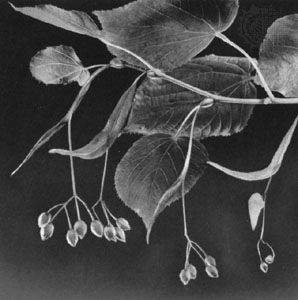
What are the different species of linden trees, and how do they vary?
The genus Tilia comprises approximately 30 species of deciduous trees native to the Northern Hemisphere. While they share the genus’s characteristic heart-shaped leaves and fragrant flowers, they vary significantly in size, growth habit, and foliage appearance.1
Notable Species and Varieties
- American linden (Tilia americana): Also known as basswood, this is a massive shade tree that can reach heights of 40 meters (130 feet). It is highly valued for its wood and as a source for distinctively flavored honey.1
- Small-leaf linden (T. cordata): A European native widely used as a street tree, recognized for its smaller, dark green, heart-shaped leaves.13
- European linden (T. europaea): A natural hybrid resulting from a cross between the big-leaf linden (T. platyphyllos) and the little-leaf linden.1
- Silver linden (T. tomentosa): Distinguished by the striking white-silvery undersides of its leaves.1
- Pendant silver linden (T. petiolaris): Prized specifically for its graceful, weeping growth habit.1
- Crimean linden (T. euchlora): A hybrid of T. cordata and T. dasystyla that has produced popular cultivars like the pyramidal Redmond linden.1
What are some other common plants in the Malvaceae family?
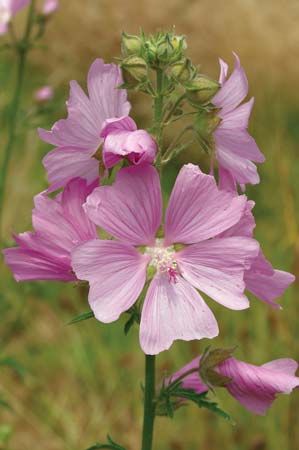
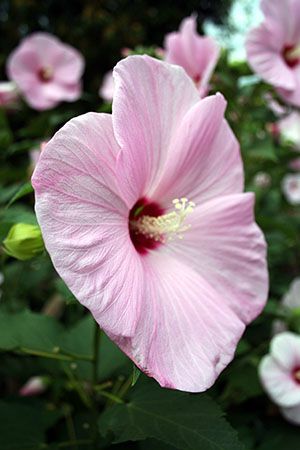
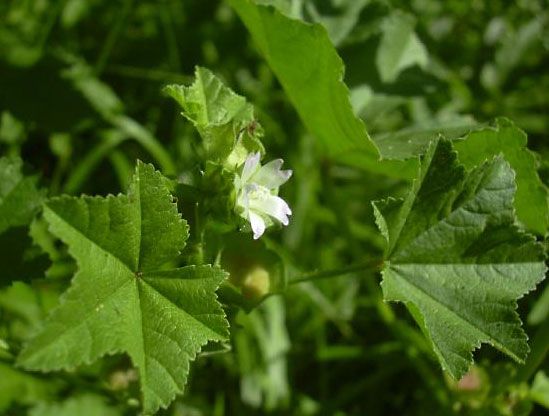
The Malvaceae family, also known as the mallow or hibiscus family, is a diverse group of flowering plants that includes many economically and ornamentally significant species. Beyond the linden (Tilia species), common plants in this family include:
Fiber and Wood Products
- Cotton: Various species of Gossypium are cultivated globally for their valuable fibers.56
- Balsa: Known for its lightweight wood, Ochroma pyramidale is a prominent member of the family.56
- Jute: Species such as white jute (Corchorus capsularis) and tossa jute (C. olitorius) are primary sources of natural fibers.56
- Kapok: Derived from the Ceiba species, this fiber is harvested from the hairs of the ovary wall.56
Food Crops
- Cacao: Theobroma cacao is the essential source of cocoa.56
- Okra: A widely consumed vegetable (Abelmoschus esculentus).56
- Durian: Known for its distinct aroma and flavor, Durio zibethinus is a notable tropical fruit.56
- Kola nut: Seeds from Cola species are used in various beverages.56
Ornamentals
Sources
- linden — Encyclopædia Britannica
- Tilia — Merriam-Webster
- small-leaved linden — Merriam-Webster
- Tree - Tree bark — Encyclopædia Britannica
- list of economically important members of the family Malvaceae — Encyclopædia Britannica
- Malvales — Encyclopædia Britannica
- Malvales - Common characteristics — Encyclopædia Britannica
- Malvaceae — Encyclopædia Britannica
Published on · 3 min read