Mara
The term "mara" refers to two distinct concepts depending on the context:
What is mara?
The term “mara” refers to two distinct concepts depending on the context:
In Buddhism
Māra is known as the “Lord of the Senses” and serves as the primary tempter of the Buddha. According to tradition, Māra attempted to prevent the bodhisattva Gautama from achieving enlightenment by using various tactics, including:
- Appearing as a messenger to claim a rival had usurped the throne.
- Sending a violent storm to frighten away the gods.
- Dispatching his three daughters—Tṛṣṇā (thirst), Rati (desire), and Rāga (delight)—to seduce him.
- Pressuring the Buddha to refrain from preaching after he attained enlightenment.1
In Zoology
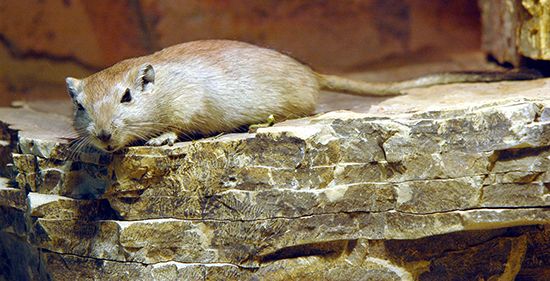
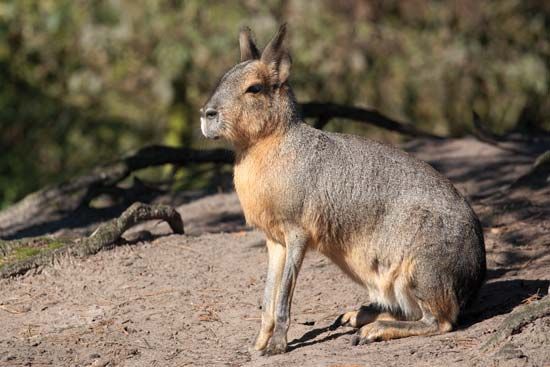
The mara (Dolichotis magellanica) is a long-legged, long-eared rodent native to southern South America. It is closely related to the cavies.2

How did the Buddha overcome Mara’s temptations?
According to Buddhist tradition, the Buddha overcame the temptations of Māra—the “Lord of the Senses”—through unwavering meditation and spiritual resolve while seated under the Bo tree.14
When Māra attacked with a violent storm of wind, rain, rocks, and darkness, the Buddha remained unmoved, meditating on love, which transformed the assault into a shower of blossoms. When Māra sent his three daughters—Tṛṣṇā (thirst), Rati (desire), and Rāga (delight)—to seduce him, the Buddha remained impassive.41
In a final confrontation, Māra challenged the Buddha’s right to sit on that spot of earth. The Buddha responded by touching the earth with his right hand, calling upon the earth goddess to bear witness to his past acts of charity in previous lives. The earth trembled in assent, causing Māra to depart. This definitive victory allowed the Buddha to continue his meditation, leading to his enlightenment and the attainment of nirvana.145
What do Mara’s daughters represent in Buddhist teachings?
In Buddhist teachings, the three daughters of Māra—Tṛṣṇā, Rati, and Rāga—personify the internal obstacles that distract individuals from spiritual liberation. They represent the following fundamental human impulses:
- Tṛṣṇā: Translates to “thirst” or “craving,” representing the insatiable desire for sensory gratification and existence that keeps one bound to the cycle of suffering.1
- Rati: Represents “desire” or “attachment,” specifically the longing for pleasure and the emotional clinging that prevents a clear, detached mind.1
- Rāga: Represents “delight” or “passion,” symbolizing the intense attraction to worldly phenomena that obscures the truth of impermanence.1
By sending these daughters to seduce the Buddha, Māra sought to use these powerful human drives to break the future Buddha’s concentration and prevent him from achieving enlightenment. The Buddha’s ability to remain unmoved by these temptations signifies the mastery of the mind over sensory cravings and emotional attachments.
What are the physical characteristics of the Patagonian mara rodent?
The Patagonian mara (Dolichotis patagonum) is a large rodent belonging to the cavy family. While the provided search results identify the animal as a member of the genus Dolichotis, they do not contain specific details regarding its physical characteristics.
Sorry, the Britannica knowledge base does not contain this information.
Sources
- Māra — Encyclopædia Britannica
- Mara — Merriam-Webster
- maras — Merriam-Webster
- Buddhism - Traditional literary accounts — Encyclopædia Britannica
- Buddha - The enlightenment — Encyclopædia Britannica
- mara — Encyclopædia Britannica
Published on · 2 min read