Marine Protected Area
A marine protected area (MPA) is a designated parcel of ocean or estuarine ecosystem managed under specific regulations to balance biodiversity conservation…
What is a marine protected area?
A marine protected area (MPA) is a designated parcel of ocean or estuarine ecosystem managed under specific regulations to balance biodiversity conservation with sustainable human use. Also known as marine reserves or sanctuaries, these areas act as safe zones that protect marine life from destructive activities like commercial fishing, mining, and aquaculture.1
Management strategies vary by location:
- No-take zones: Prohibit all harvesting or damaging activities to maximize conservation benefits.1
- Multiple-use zones: Limit intensive industrial activities while permitting certain practices, such as recreation or local community fishing.1
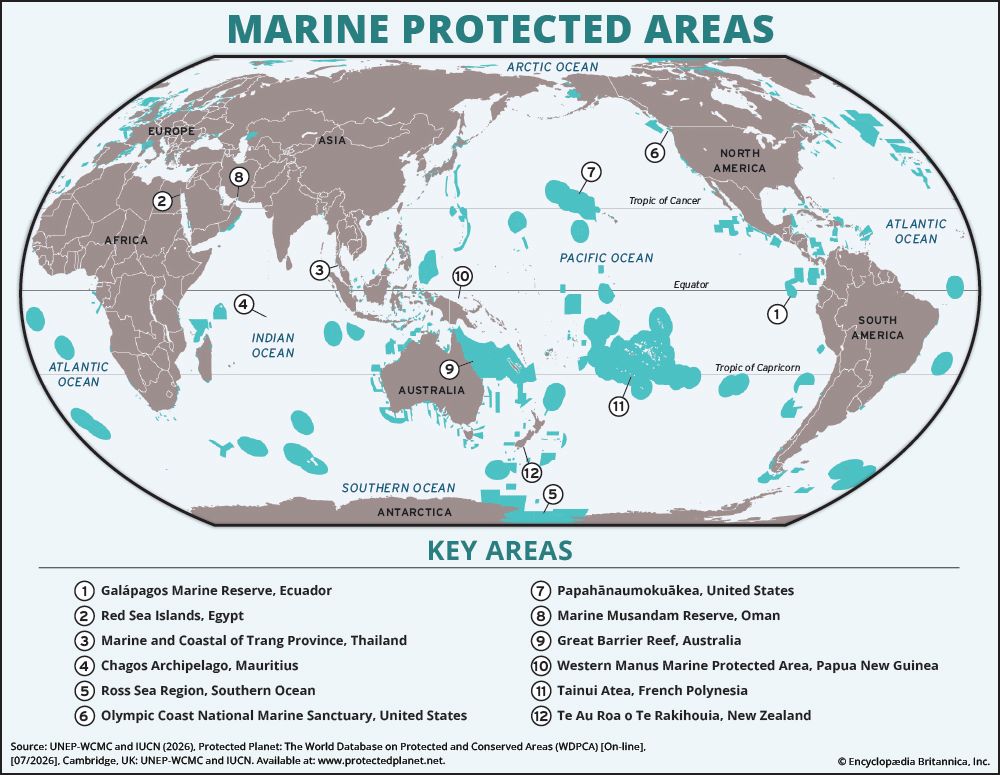
Research indicates that the most effective MPAs are large, remote, well-enforced, and established for at least a decade. As of the mid-2020s, approximately 10 percent of the world’s oceans are covered by MPAs, with international goals aiming to reach 30 percent by 2030 to mitigate the impacts of climate change and industrial development.1
Why are marine protected areas important?
Marine protected areas (MPAs) are essential for maintaining the health and stability of global ocean and estuarine ecosystems. By restricting or prohibiting destructive human activities—such as commercial fishing, mining, and intensive economic development—these areas serve as vital sanctuaries for marine life.1
The importance of MPAs lies in their ability to:
- Stabilize Ecosystems: They act as safe zones for predators and other species, helping to reinforce the structure of both protected and surrounding habitats.1
- Boost Biodiversity: Areas with high levels of protection, particularly “no-take” zones, demonstrate significantly higher levels of biodiversity.1
- Restore Populations: MPAs can halt or even reverse the decline of fish populations.1
- Support Research and Economy: They enhance opportunities for scientific study and promote sustainable tourism.1
As climate change and industrial pressures grow, MPAs are critical tools for safeguarding the ocean’s long-term health and the essential benefits it provides to humanity.1
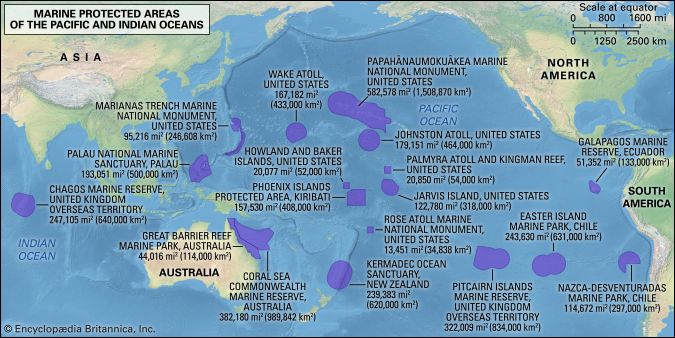
How do marine protected areas help with conservation?
Marine protected areas (MPAs) serve as critical tools for biodiversity conservation by establishing regulated zones that shield ocean and estuarine ecosystems from destabilizing human activities. By restricting or prohibiting practices such as commercial fishing, mining, and aquaculture, these areas function as sanctuaries that stabilize the structure of marine habitats for both resident and migratory species.1
The conservation effectiveness of an MPA is significantly enhanced by specific management strategies:
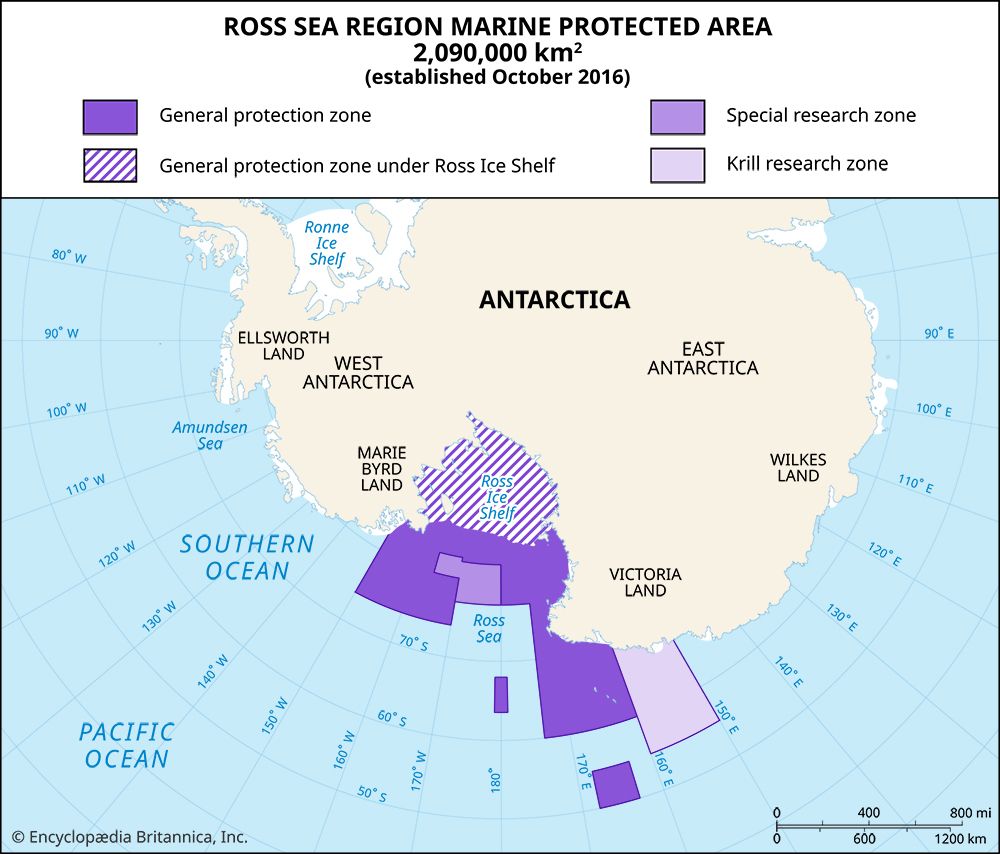
- No-take zones: These areas prohibit all harvesting or damaging activities, providing the highest level of protection and yielding the greatest biodiversity benefits.1
- Multiple-use zones: These allow for limited human activities, such as recreation or community-based fishing, while still mitigating intensive industrial impacts.1
Research indicates that the most successful MPAs are large (exceeding 100 square km), remote, well-enforced, and established for at least a decade. These protected zones help reverse the decline of fish populations and provide essential scientific and economic value through tourism and research.1
What types of animals and plants can be protected in marine protected areas?
Marine protected areas (MPAs) are designed to provide an umbrella of protection for a wide range of marine life, including fish populations and various species that reside within or migrate through these ocean and estuarine ecosystems.1
While the provided search results do not list specific species of plants or animals by name, they emphasize that MPAs serve as vital sanctuaries for:
- Predators: These areas provide safe zones for apex predators and other important species, which helps stabilize the overall structure of the ecosystem.1
- Resident and Migratory Species: Protection extends to the diverse array of life living within the designated parcel, as well as those that inhabit nearby unprotected areas.1
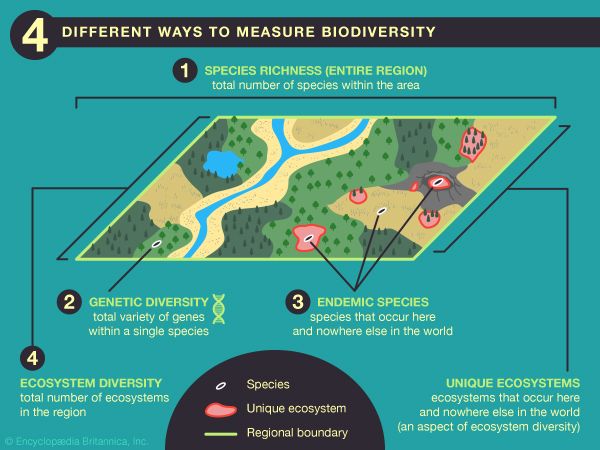
- Biodiversity: By restricting destructive human activities like commercial fishing, mining, and aquaculture, MPAs foster high levels of biodiversity, supporting the health of the entire biological community.1
Sources
- marine protected area — Encyclopædia Britannica
Published on · 3 min read