Marjoram
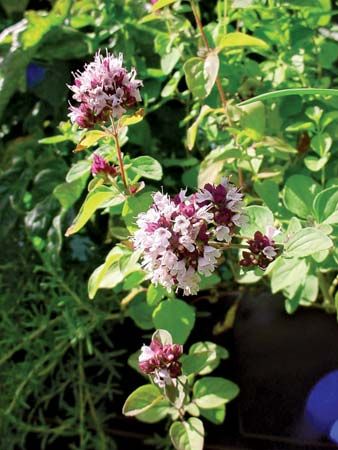
Marjoram (Origanum majorana) is a perennial plant belonging to the mint family (Lamiaceae). It is widely grown as a culinary herb, valued for its warm…
What is marjoram and where does it originate from?
Marjoram (Origanum majorana) is a perennial plant belonging to the mint family (Lamiaceae). It is widely grown as a culinary herb, valued for its warm, aromatic, and slightly sharp flavor, which is commonly used to season meats, sausages, stews, and vegetables.1
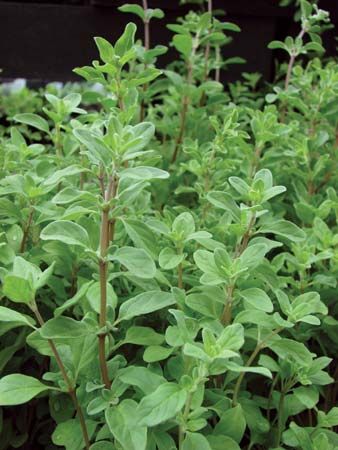
The plant is native to the Mediterranean region and western Asia. While it is a perennial in its native habitat, it is often cultivated as an annual in colder, northerly climates where it cannot survive the winter. Physically, it is a bushy herbaceous plant that grows between 30 and 60 centimeters tall, characterized by square, branching stems and small, hairy, ovate leaves.1
It is important to note that the term “marjoram” is sometimes applied to other related species, such as pot marjoram (O. onites) and oregano (O. vulgare), which is also known as wild marjoram.1
How does marjoram differ from its close relative, oregano?
Marjoram (Origanum majorana) and oregano (Origanum vulgare), also known as wild marjoram, are both members of the Lamiaceae family and the genus Origanum, but they possess distinct culinary and physical characteristics.14
Key Differences
- Flavor Profile: Marjoram is noted for a warm, aromatic, and slightly sharp, bitterish flavor. In contrast, culinary varieties of oregano, such as Greek or Italian, are characterized by a stronger, warm, and pungent taste.14
- Physical Growth: Marjoram is a bushy herbaceous plant that typically grows 30–60 cm tall. Oregano is generally grown as a small evergreen subshrub that can reach up to 90 cm, featuring branched woody stems and creeping roots.14
- Chemical Composition: The essential oil of marjoram is primarily composed of terpinene and terpineol. Oregano’s essential oils are rich in thymol and carvacrol, which are recognized for their antibacterial and antioxidant properties.14
- Culinary Use: While both are used to season meats and vegetables, oregano is a staple in pizza and pasta sauces, whereas marjoram is frequently favored for sausages, stuffings, and poultry.14
What are the culinary uses of marjoram in various cuisines?
Marjoram (Origanum majorana) is a versatile culinary herb prized for the warm, aromatic, and slightly sharp flavor it imparts to a wide variety of dishes. Its fresh or dried leaves and flowering tops are utilized across many cuisines to enhance the profile of numerous food items.1
Common culinary applications include:
- Proteins: It is frequently used to season meats, poultry, and fish. It is particularly well-regarded for its role in flavoring sausages.1
- Prepared Dishes: The herb is a common addition to stuffings, stews, and eggs.1
- Produce and Sides: It is often used to season vegetables and is a frequent ingredient in salads.1
While sweet marjoram is the most common culinary variety, related species such as pot marjoram (O. onites) are also cultivated for their aromatic leaves to flavor food.1
What are some popular dishes that feature marjoram as a key ingredient?
Marjoram is a versatile culinary herb valued for its warm, aromatic, and slightly sharp flavor. While it is rarely the sole focus of a dish, it serves as a key seasoning ingredient that defines the flavor profile of several traditional preparations.1
Popular culinary applications for marjoram include:
- Sausages: It is a classic seasoning for various types of sausages, where its aromatic qualities balance the richness of the meat.1
- Stuffings: Marjoram is a staple ingredient in savory stuffings for poultry and other roasted meats, providing a depth of flavor that complements the dish.1
- Stews and Sauces: It is frequently added to hearty stews and slow-cooked dishes, where its flavor holds up well during the cooking process.1
- Vegetable and Egg Dishes: The herb is commonly used to brighten vegetables and is a frequent addition to egg dishes, such as omelets or quiches.1
- Salads: Fresh marjoram leaves are often used in salads to add a subtle, aromatic complexity.1
Sources
- marjoram — Encyclopædia Britannica
- marjoram oil — Merriam-Webster
- pot marjoram — Merriam-Webster
- wild marjoram — Merriam-Webster
- oregano — Encyclopædia Britannica
- marjoram — Merriam-Webster
Published on · 3 min read