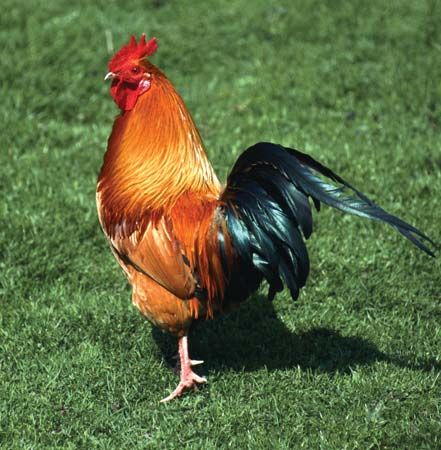
Poultry
Modern poultry agriculture focuses primarily on maximizing production efficiency through poultry breeding, mechanized management, and intensive nutritional…
What are some sustainable practices being implemented in modern poultry agriculture?
Modern poultry agriculture focuses primarily on maximizing production efficiency through poultry breeding, mechanized management, and intensive nutritional research. While these methods have successfully lowered costs and increased output—such as reducing the time required for broilers to reach market weight and significantly boosting annual egg production—the provided information does not detail specific “sustainable” practices in the environmental or ecological sense.12
Instead, current industrial management emphasizes space-saving techniques, such as housing birds in multi-tiered wire cages, and genetic selection to achieve hybrid vigor. Critics, however, raise significant ethical concerns regarding these intensive methods, noting that prioritizing production often conflicts with animal welfare. Practices such as beak trimming to prevent self-mutilation and the physical strain caused by rapid growth highlight the tension between high-yield industrial goals and the health of the animals.12
Ethical poultry management must prioritize the humane treatment of animals, as their well-being is a fundamental moral responsibility that should not be sacrificed for production efficiency.
What are the main breeds of chickens used in commercial egg production?
In commercial egg production, the industry relies on a very select group of breeds that have been genetically refined for maximum output. While there are hundreds of chicken breeds globally, the following are most significant to the commercial sector:
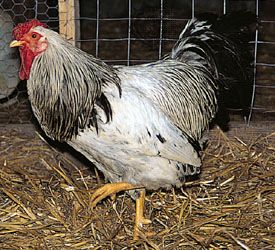
- White Leghorn: This Mediterranean breed is the preeminent choice for the global egg industry. The single-comb White Leghorn is the most popular variety, valued for its prolific laying ability and its capacity to reach sexual maturity quickly. It is the leading egg producer worldwide, specifically favored for laying white eggs.341
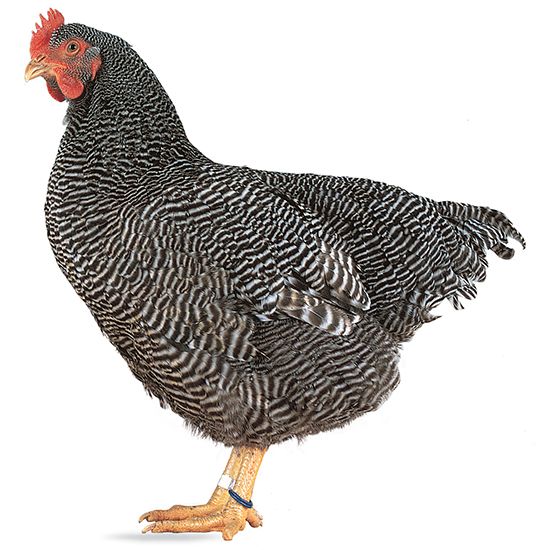
- Dual-Purpose Breeds: While not always used in high-intensity industrial facilities, breeds such as the Rhode Island Red, Plymouth Rock, Wyandotte, and New Hampshire are common in smaller-scale operations. These are considered dual-purpose, meaning they are kept for both their egg-laying capabilities and their meat.3
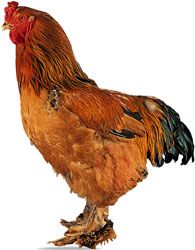
- Asiatic Breeds: The Brahma is another notable breed, recognized for its large brown eggs and utility as a meat source.3
Commercial facilities utilize intensive poultry breeding techniques, including crossbreeding and the application of heterosis (hybrid vigor), to ensure that modern hens can produce over 300 eggs annually.5
What role do antibiotics play in poultry farming, and what are the concerns surrounding their use?
In poultry farming, antibiotics are utilized for both therapeutic and subtherapeutic purposes. Therapeutically, they are used to control bacterial infections within flocks, while subtherapeutic, low-dose administration—often added directly to feed—is used to improve growth performance and feed efficiency. These practices, alongside vaccines and strict sanitation, help manage the high disease susceptibility inherent in intensive confinement rearing.789
However, the widespread use of these drugs raises significant concerns regarding antibiotic resistance. Because subtherapeutic doses do not fully eradicate bacteria, they create environments that foster resistant strains, which can then spread to humans through the food supply or via manure used in soil.78
The World Health Organization identifies this as a serious threat to global public health, as it undermines the efficacy of medicines used in human and veterinary medicine. Ethically, prioritizing growth promotion over the preservation of life-saving medical treatments is a dangerous practice that risks human health. Consequently, there is a moral imperative to restrict the use of medically important antibiotics to cases of clinical diagnosis, rather than routine growth enhancement.7
How does selective breeding impact animal health?
Selective breeding has a profound impact on animal health, functioning as a double-edged sword that can both mitigate and exacerbate physical conditions depending on the goals and methods employed.
Positive Impacts
When used strategically, selective breeding can significantly improve animal welfare by reducing the prevalence of hereditary diseases. By utilizing pedigree records and scoring systems, breeders have successfully decreased the incidence of degenerative conditions like hip dysplasia in dogs. Similarly, in the field of immunogenetics, identifying and culling carriers of harmful recessive genes—such as the one responsible for bovine leukocyte adhesion deficiency (BLAD) in cattle—has prevented widespread health crises.1011
Negative Impacts and Concerns
Conversely, prioritizing production traits often comes at the expense of animal health. Intensive selection for rapid growth in meat chickens has been linked to heart failure and lameness, while hens bred for extreme egg-laying efficiency face significant physiological strain. Furthermore, inbreeding, which often accumulates during long-term selection within small populations, is generally detrimental, leading to reduced fertility, slower growth, and increased disease susceptibility.212
Ethically, the focus on maximizing output must be balanced with the biological needs of the animal, as ignoring these needs can lead to severe welfare issues and unintended health consequences.211
Sources
- Poultry farming - Management — Encyclopædia Britannica
- Intensive animal farming - Animal welfare — Encyclopædia Britannica
- Poultry farming - Chickens — Encyclopædia Britannica
- Leghorn — Encyclopædia Britannica
- Why are some eggs brown and some white? — Encyclopædia Britannica
- white leghorn — Merriam-Webster
- Intensive animal farming - Antibiotic resistance — Encyclopædia Britannica
- Feed - Antibiotics and other growth stimulants — Encyclopædia Britannica
- Poultry farming - Diseases — Encyclopædia Britannica
- Animal breeding - Accuracy of selection — Encyclopædia Britannica
- Agricultural sciences - Animal sciences — Encyclopædia Britannica
- genetic engineering - Controversy and ethical issues — Encyclopædia Britannica
- Animal breeding — Encyclopædia Britannica
- Animal breeding - Immunogenetics — Encyclopædia Britannica
- Animal breeding - DNA — Encyclopædia Britannica
- Animal breeding - Inbreeding — Encyclopædia Britannica
Published on · 4 min read