Oregano
Historically, oregano has been utilized in traditional medicine for its antiseptic, anti-inflammatory, and digestive properties. The Greek physician…
How is oregano used in traditional medicine and aromatherapy?
Historically, oregano has been utilized in traditional medicine for its antiseptic, anti-inflammatory, and digestive properties. The Greek physician Hippocrates documented its use as an antiseptic and a treatment for respiratory ailments and digestive issues, including applying the oil to skin infections and cuts. In medieval Europe, it was commonly chewed to relieve pain, indigestion, and coughs. Today, it remains a traditional remedy for asthma, cramps, and gastrointestinal concerns.1
Regarding aromatherapy, oregano is valued for its essential oil, which contains compounds such as thymol and carvacrol known for their antibacterial, antifungal, and antioxidant properties. While aromatherapy generally involves diffusing, inhaling, or massaging plant extracts to promote health, mainstream medical practitioners note that these oils are not standardized and that benefits may be linked to conditioned responses to odors rather than independent physiological effects.12
What are the different varieties of oregano and how do they differ in flavor?
There are several varieties of oregano, which differ significantly in their botanical classification and flavor profiles:
- Mediterranean Oregano: This category includes species such as Origanum vulgare and Origanum onites. These are staples in European and Middle Eastern cuisines, characterized by a strong aroma and a warm, pungent taste.
- Mexican Oregano: Botanically distinct, this plant (Lippia graveolens) belongs to the Verbenaceae family rather than the mint family. It offers a bolder, spicier flavor profile and is commonly used in Mexican, southwestern U.S., and South American dishes.
- Ornamental Cultivars: While these are varieties of the plant, they are typically bland in flavor and are not suitable for culinary use.
Culinary varieties are prized for their ability to enhance meats, vegetables, sauces, and soups, whereas ornamental types are grown primarily for aesthetic purposes.1
What is oregano and where does it originate from?
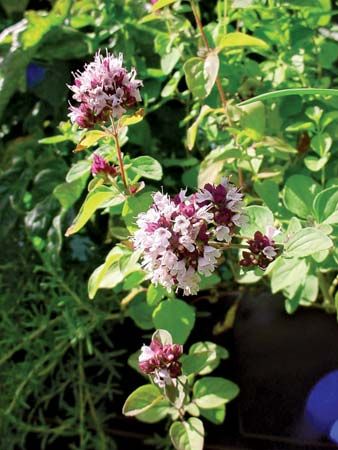
Oregano (Origanum vulgare) is an aromatic perennial herb belonging to the mint family (Lamiaceae). It is typically grown as a small evergreen subshrub, reaching heights of one to two feet, and is recognized for its flavorful dried leaves and flowering tops.
The plant is native to the hills of the Mediterranean countries and western Asia. Its name is derived from the Greek words oros (“mountain”) and ganos (“brightness” or “joy”), reflecting its natural habitat. While it originated in these regions, it has since naturalized in parts of the United States and Mexico.
In addition to its culinary uses, the herb has a long history in traditional medicine, dating back to the time of Hippocrates, who utilized it for its antiseptic and digestive properties. Today, it remains a staple in global cuisines and is valued for its essential oil content, which includes compounds like thymol and carvacrol.
What are the main culinary uses of oregano in different cuisines?
Oregano is a versatile herb that serves as a cornerstone in various global cuisines, primarily used to enhance the flavor of meats, vegetables, sauces, and soups. Its culinary applications are generally divided by the variety used:1
- Mediterranean and Middle Eastern Cuisines: Mediterranean oregano (Origanum vulgare and Origanum onites) is essential for its warm, pungent profile. It is a defining ingredient in Italian cuisine, where it is widely used in pizza and pasta sauces. In Greek cuisine, it is a staple for seasoning salads and gyros.1
- Mexican, Southwestern U.S., and South American Cuisines: Mexican oregano (Lippia graveolens) is botanically distinct and offers a bolder, spicier flavor. It is the preferred variety for the robust flavor profiles found in these regional dishes.1
Beyond these specific applications, the herb is valued for its ability to elevate a wide range of savory dishes, making it a fundamental component in kitchens worldwide.1
Sources
- oregano — Encyclopædia Britannica
- aromatherapy — Encyclopædia Britannica
- marjoram — Encyclopædia Britannica
Published on · 3 min read