Mauke
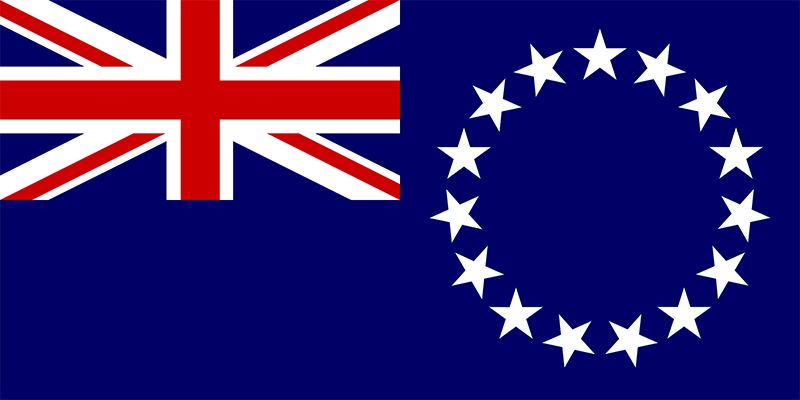
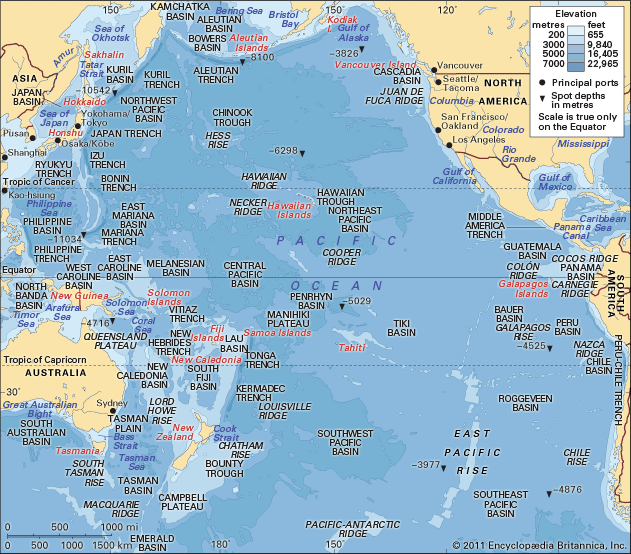
Mauke is the easternmost island of the southern Cook Islands, a self-governing state in free association with New Zealand located in the South Pacific Ocean.
What is Mauke?
Mauke is the easternmost island of the southern Cook Islands, a self-governing state in free association with New Zealand located in the South Pacific Ocean.1
Often referred to as the “garden” of the Cook Islands, Mauke is a raised coral atoll characterized by a volcanic center surrounded by coral limestone. Its fertile red soil supports both subsistence and cash-crop agriculture, including the production of bananas, mangos, coconuts, and various vegetables. Additionally, the island is home to high-quality hardwoods and the maire bush, the leaves of which are exported to Hawaii for the creation of leis.1
Geographically, the island covers 7.1 square miles (18.4 square km) and reaches a maximum elevation of 100 feet (30 meters). While the lack of a deep lagoon makes shipping difficult, the island is accessible via an airstrip.1
How are raised coral atolls formed?
Raised coral atolls are formed through two primary processes: uplift and accretion. While many atolls are the result of the long-term subsidence of volcanic islands—a theory famously proposed by Charles Darwin—raised atolls specifically emerge when reef systems are pushed above sea level.234
Mechanisms of Formation
- Uplift: Crustal movements can raise a coral reef system above the high-tide mark. Once emerged, these islands become rocky, plateaulike features often characterized by cliffs and surfaces sculpted by solution weathering, known as karst. If the original structure was an atoll, the central lagoon may become shallow or dry, forming an interior basin.2
- Eustatic Regression: A drop in sea level—often caused by the growth of polar ice sheets—can also expose previously submerged reef platforms, effectively creating raised features.32
- Accretion: In contrast to uplift, many low-lying coral islands are formed by the accumulation of reef debris, such as rock, sand, and detritus, broken off by storms and waves. This material is cemented together by dissolved calcium carbonate, eventually forming stable land.2
What are the other islands in the Cook Islands group?
The Cook Islands consist of 15 islands and atolls divided into two distinct groups. While Rarotonga serves as the administrative center, the remaining islands are categorized as follows:67
Southern Group
- Aitutaki Atoll
- Atiu
- Mangaia
- Manuae Atoll
- Mauke
- Mitiaro
- Palmerston Atoll
- Takutea
Northern Group
- Manihiki Atoll
- Nassau Island
- Penrhyn Atoll
- Pukapuka Atoll
- Rakahanga Atoll
- Suwarrow Atoll
Please note that while Niue is geographically associated with the region, it is an administratively separate state and not part of the Cook Islands.67
How is the maire plant used in traditional Hawaiian culture?
The maile plant (Alyxia stellata) is a fragrant vine native to the Pacific islands and is deeply significant in traditional Hawaiian culture. Its aromatic leaves and bark are highly valued for their scent and are most famously used to create leis, which are traditional garlands worn during special occasions, ceremonies, and celebrations.12
Beyond its decorative use, the maile lei holds cultural importance as a symbol of respect, honor, and connection to the land. It is often exchanged at weddings, graduations, and other significant life events to convey aloha and goodwill.
Sources
- Mauke — Encyclopædia Britannica
- coral reef - Origin and development of reefs — Encyclopædia Britannica
- atoll — Encyclopædia Britannica
- coral island — Encyclopædia Britannica
- lagoon - The effect of time — Encyclopædia Britannica
- Cook Islands — Encyclopædia Britannica
- Northern Cook Islands — Merriam-Webster
- list of islands - New Zealand — Encyclopædia Britannica
- Rarotonga — Encyclopædia Britannica
- Cook Islands - History of the Cook Islands — Encyclopædia Britannica
- Manihiki Atoll — Encyclopædia Britannica
- maile — Merriam-Webster
Published on · 2 min read