Mayflower
The Mayflower was a square-rigged sailing ship that famously transported the Pilgrims from England to North America in 1620. Estimated to be about 90 feet…
What is mayflower?
The Mayflower was a square-rigged sailing ship that famously transported the Pilgrims from England to North America in 1620. Estimated to be about 90 feet long and weighing 180 tons, the vessel departed from Plymouth, England, on September 16, 1620, carrying 102 settlers.12
After a 66-day voyage marked by storms that pushed the ship off its intended course toward the Hudson River, the Mayflower arrived at Cape Cod in November 1620. Before disembarking at what is now Plymouth, Massachusetts, the passengers drafted the Mayflower Compact, a foundational document that established a civil body politic and served as the first framework of government in the territory that became the United States. The ship remained in the colony until April 1621, when it returned to England; its ultimate fate remains unknown.312
Who were the Separatists and why did they leave England?
The Separatists were a radical faction of Puritanism in 16th- and 17th-century England who believed the Church of England was too corrupt to be reformed from within. Unlike other Puritans who sought to purify the established church, Separatists believed that true Christians should separate entirely to form independent, self-governing congregations founded by the Holy Spirit rather than state authority.56
They left England primarily to escape state-sponsored religious persecution. Because their movement was illegal and they were often labeled as traitors, many fled to the Netherlands to seek religious freedom. However, they eventually decided to migrate to North America due to economic hardships and concerns about preserving their cultural and religious identity in a foreign land. This journey led a group of them, known as the Pilgrims, to establish the Plymouth Colony in 1620.56
What challenges did the Pilgrims face during their first winter in Plymouth?
During their first winter in Plymouth (1620–1621), the Pilgrims faced severe hardships that resulted in the death of approximately half of the 102 Mayflower passengers.86
The primary challenges included:
- Harsh Environmental Conditions: The settlers endured a brutal winter, which hindered their ability to establish adequate shelter and secure resources.86
- Health and Disease: Many colonists suffered from illnesses, including scurvy, which had been contracted during their long sea voyage.8
- Resource Scarcity: The group struggled with significant shortages of food, leaving them vulnerable and depleted.86
These conditions were so dire that the survivors concealed the graves of the deceased, planting grain over them to prevent local Indigenous populations from realizing the extent of the colony’s vulnerability. The settlers were eventually able to adapt to their new surroundings through the crucial knowledge and assistance provided by the Wampanoag people, who taught them agricultural techniques such as the Three Sisters system.68
How did the Wampanoag people interact with the Plymouth colonists?
The relationship between the Wampanoag people and the Plymouth colonists began as a strategic alliance characterized by mutual cooperation. In March 1621, the Wampanoag grand sachem Massasoit visited the colony to establish a formal treaty, recognizing the potential benefits of trade with the newcomers.10119
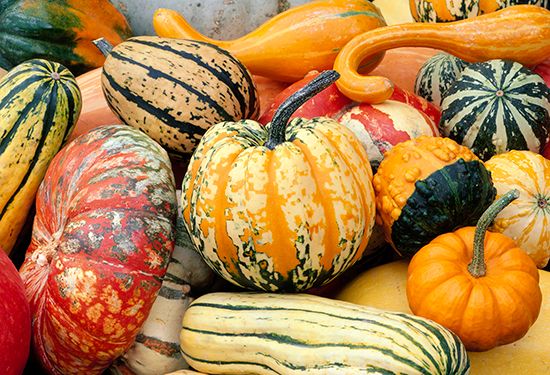
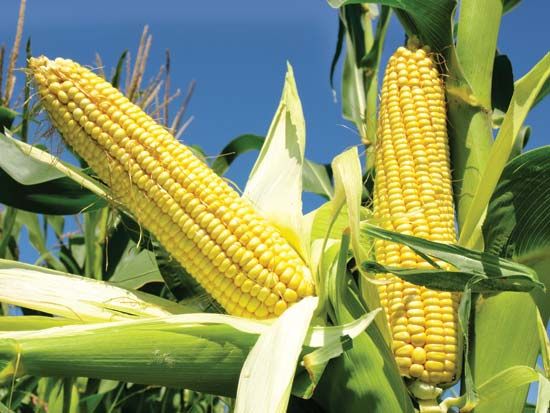
During these early years, the Wampanoag played a vital role in the survival of the settlers. They shared essential knowledge regarding fishing, cooking, and agricultural techniques, such as the Three Sisters method of planting corn, beans, and squash. The bond was further strengthened by individuals like Squanto, who served as an interpreter and emissary, and by acts of mutual care, such as when the Pilgrims nursed a sick Massasoit back to health in 1623.1011912
However, this peace deteriorated as colonial populations grew and settlers increasingly encroached upon Indigenous lands. Tensions over land claims, livestock grazing, and cultural pressures eventually led to King Philip’s War in 1675, a devastating conflict that fundamentally altered the relationship between the two groups.119
Sources
- Mayflower: Top Questions — Encyclopædia Britannica
- Mayflower Compact — Encyclopædia Britannica
- How long was the voyage of the Mayflower? — Encyclopædia Britannica
- Mayflower — Encyclopædia Britannica
- Separatist — Encyclopædia Britannica
- Pilgrim Fathers — Encyclopædia Britannica
- James I: Top Questions — Encyclopædia Britannica
- Pilgrim Fathers: Top Questions — Encyclopædia Britannica
- Wampanoag — Encyclopædia Britannica
- Wampanoag: Top Questions — Encyclopædia Britannica
- Squanto — Encyclopædia Britannica
- Massasoit — Encyclopædia Britannica
Published on · 3 min read