Winter
The winter solstice marks the shortest day and longest night of the year, a phenomenon celebrated globally as a time of rebirth and the return of the sun.
How do different countries and cultures celebrate the winter solstice?
The winter solstice marks the shortest day and longest night of the year, a phenomenon celebrated globally as a time of rebirth and the return of the sun.12
- Soyal: The Hopi people of Arizona perform purification rituals and dances to welcome kachinas, or protective spirits.1
- Yalda: In Iran, families celebrate the victory of light over darkness by eating nuts and pomegranates, often staying awake to welcome the morning sun.1
- Inti Raymi: Celebrated in Peru during the Southern Hemisphere’s solstice, this Incan festival honors the Sun god with feasts.1
- Saturnalia: This ancient Roman festival featured gift-giving and the temporary inversion of social roles, influencing modern Christmas traditions.1
- St. Lucia’s Day: In Scandinavia, this festival of lights blends Norse traditions with the veneration of St. Lucia.1
- Dong Zhi: A Chinese festival marking the arrival of winter, centered on family gatherings and eating tang yuan.1
- Yule: Historically observed by Germanic peoples, this festival is now celebrated by Neo-Pagans and shares roots with many northern European winter customs.3
What are some common winter sports and recreational activities?
Winter sports and recreational activities encompass a wide range of disciplines that utilize snow and ice for competition and leisure.
Skiing and Snowboarding
- Skiing: A versatile activity involving movement over snow using long, flat runners. It is categorized into Alpine skiing—which focuses on downhill speed and technical maneuvering—and cross-country skiing, which involves traveling over rolling terrain.456
- Snowboarding: A sport where participants ride down snow-covered surfaces while standing on a single board with their feet positioned perpendicular to the direction of travel. It draws inspiration from surfing and skateboarding and is celebrated by many for its unique blend of nature and self-expression.7
Ice-Based Sports
- Ice Hockey: A highly popular team sport played on an ice rink where players use sticks to propel a vulcanized rubber puck into a net. It is known for its speed and physical contact.89
Other notable winter activities include figure skating, curling, speed skating, biathlon, bobsledding, luge, and skeleton sledding.6
How do animals migrate or hibernate during winter?
To survive the challenges of winter, animals often employ two primary strategies: migration or dormancy.11
Migration
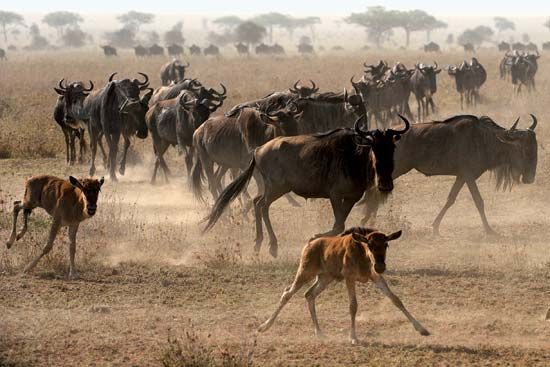
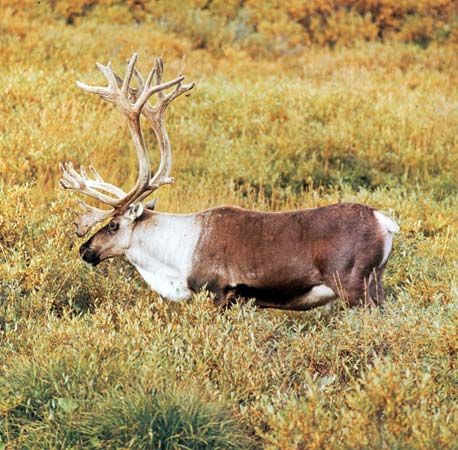
Migration is a behavioral response where animals move to more favorable environments to escape harsh conditions or food shortages.11
- Latitudinal Migration: Many species, such as caribou, whales, and various birds, travel long distances to reach warmer climates or better feeding grounds.1112
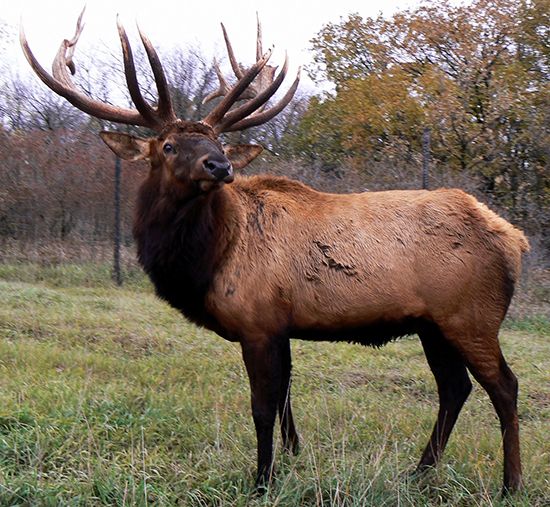
- Elevational Migration: Some animals, like elk and bighorn sheep, move from high-altitude mountains to lower valleys during the winter.11
Dormancy and Hibernation
Dormancy involves reducing metabolic activity to conserve energy when environmental conditions are stressful.11
- True Hibernation: This occurs in some warm-blooded vertebrates, where the animal significantly lowers its body temperature, heart rate, and breathing to minimize energy expenditure.1311
- Shallow Hibernation (Winter Rest): Animals like bears, raccoons, and chipmunks exhibit a form of winter lethargy. They are not true hibernators because their body temperatures remain relatively high, allowing them to remain active or easily aroused if threatened.1411
How does the Earth’s tilt cause the winter solstice?
The winter solstice occurs because the Earth’s axis is tilted at an angle of approximately 23.4° rather than standing straight up and down as it orbits the Sun.31516
During the winter solstice, a hemisphere’s pole is tilted at its maximum distance away from the Sun. This tilt causes the Sun’s path across the sky to be at its lowest point, resulting in the shortest day and the longest night of the year for that hemisphere. Because the hemisphere is angled away from the Sun, it receives less direct sunlight, which contributes to the cooler temperatures associated with the season of winter.3161715
At this time, the Sun’s vertical rays are positioned directly over the Tropic of Capricorn (for the Northern Hemisphere’s winter solstice) or the Tropic of Cancer (for the Southern Hemisphere’s winter solstice). While one hemisphere experiences the winter solstice, the other is tilted toward the Sun, experiencing its summer solstice.31716
Sources
- 7 Winter Solstice Celebrations From Around the World — Encyclopædia Britannica
- Winter Holidays: Christmas, Hanukkah, Kwanzaa, and More - Yule — Encyclopædia Britannica
- Winter solstice — Encyclopædia Britannica
- snowboarding — Encyclopædia Britannica
- skiing — Encyclopædia Britannica
- cross-country skiing — Encyclopædia Britannica
- ice hockey - Rink and equipment — Encyclopædia Britannica
- ice hockey — Encyclopædia Britannica
- ice hockey: Top Questions — Encyclopædia Britannica
- skiing - Alpine skiing — Encyclopædia Britannica
- Dormancy - Types of hibernation in mammals — Encyclopædia Britannica
- Dormancy - Homoiotherms and heterotherms — Encyclopædia Britannica
- mammal - Response to environmental cycles — Encyclopædia Britannica
- Migration - In Europe — Encyclopædia Britannica
- Why do we have seasons? — Encyclopædia Britannica
- It’s Winter! It’s Summer! — Encyclopædia Britannica
- Solstice — Encyclopædia Britannica
Published on · 3 min read