Meerkat
Meerkats (Suricata suricatta) exhibit a highly cooperative social structure regarding reproduction and pup rearing. Within a pack, there is a dominant male…

How do meerkats reproduce and care for their young?
Meerkats (Suricata suricatta) exhibit a highly cooperative social structure regarding reproduction and pup rearing. Within a pack, there is a dominant male and a dominant female; the latter typically produces one or two litters of three to four pups annually, usually during the rainy season.1
The dominant female actively suppresses reproduction in subordinate females, often through aggressive behavior or endocrine effects that prevent ovulation. If subordinates do manage to breed, the dominant female may kill their offspring.1
Once born in the burrow, pups are raised with the help of the entire pack:
- Babysitting: At least one helper remains at the den each day to guard the pups against predators and rival meerkats.1
- Feeding: Pups begin sampling insects at three weeks old but rely on adults for food until they are three to six months old.1
- Protection: Helpers carry pups that fall behind during travel and shield them from raptors by crouching over them.1

Where are meerkats naturally found, and what kind of habitat do they prefer?
Meerkats (Suricata suricatta) are naturally found in southwestern Africa.1
They are highly specialized, burrowing members of the mongoose family that prefer open environments where they can forage during the day. Their habitat must support the construction of extensive burrow systems, which serve as essential shelter from predators and the intense heat of the midday sun. These warrens, which can extend up to 1.5 meters below ground, provide a stable microclimate significantly cooler than the surface temperature.1
Meerkats typically occupy home ranges of a few square kilometers, which they mark with anal gland secretions to defend against rival packs. Because they forage in open areas, they rely on these burrow systems and their unique sentinel behavior to survive in their arid, often challenging environments.1

What role does sentinel behavior play in meerkat communities?
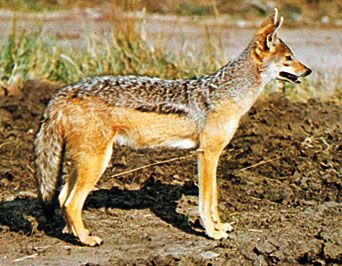
Sentinel behavior is a critical survival strategy for meerkats, who are highly vulnerable to predators like jackals and raptors while foraging in open areas during the day. In this role, one meerkat takes a raised position—such as on a termite mound or tree branch—to watch for danger while the rest of the pack focuses on digging for food. If a predator is spotted, the sentinel emits a high-pitched call, allowing the group to scatter for cover.1
Pack members take turns acting as sentinels in no particular order. Notably, meerkats do not perform this duty until they have eaten their fill, ensuring they benefit from the group’s foraging success before taking their turn to watch. Because of this, researchers have concluded that sentinels are not the altruists they were once thought to be, as the behavior is balanced by the individual’s own need to feed.1
How do meerkats communicate with each other within their group?
Meerkats utilize a variety of vocal and chemical methods to communicate and maintain cohesion within their cooperative packs.
- Contact Calls: While foraging in open areas, pack members stay spaced one to five meters apart and emit soft vocalizations to maintain contact with one another.1
- Alarm Signals: When a sentinel spots a potential threat, such as a jackal or raptor, it emits a high-pitched alarm signal. This vocalization alerts the rest of the group, prompting them to scatter and seek cover.12
- Chemical Marking: Meerkats mark their home ranges using secretions from their anal glands. This chemical communication helps define territory boundaries and serves as a signal to rival packs.1
- Begging: Pups communicate their need for food by emitting squeaks when they follow adults who are digging for prey.1
Sources
- meerkat — Encyclopædia Britannica
- Alarm signal — Encyclopædia Britannica
Published on · 3 min read