Soil Megafauna
In soil science, soil megafauna refers to the largest organisms that inhabit the soil, serving as primary agents of soil turnover and distribution. This…
What is soil megafauna?
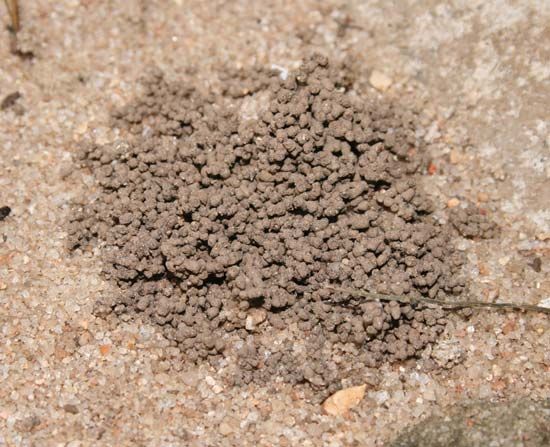
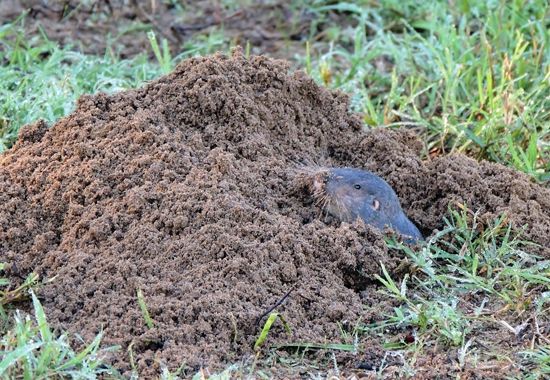
In soil science, soil megafauna refers to the largest organisms that inhabit the soil, serving as primary agents of soil turnover and distribution. This group includes large earthworms and various small vertebrates, such as moles, prairie dogs, mice, hares, rabbits, gophers, snakes, lizards, and badgers.12
These animals play a critical role in maintaining soil health by:
- Improving Soil Structure: Their burrowing activities loosen the soil, which enhances aeration and drainage.12
- Distributing Nutrients: They move organic material vertically from the surface to the subsoil, facilitating the creation of humus.12
- Supporting Ecosystems: By turning over soil and distributing microorganisms, they create a suitable environment for other organisms and plant growth.12
While their dietary habits vary—with earthworms ingesting soil and organic matter, and vertebrates often feeding on plants, invertebrates, or other small animals—they are essential to the natural cycles of life and decay that rejuvenate the environment.12
How do soil microfauna and mesofauna differ from megafauna?
In soil science, soil organisms are categorized primarily by size, which dictates their specific roles in maintaining soil health and structure.3
Size and Classification
- Microfauna: These are the smallest organisms, measuring less than 100 microns in length. This group includes single-celled protozoans, rotifers, tardigrades, and some small nematodes. They generally feed on other microorganisms.3
- Mesofauna: These are intermediate-sized organisms, defined as being greater than 40 microns in length. This diverse group includes mites, springtails, proturans, and pauropods. They typically feed on decaying organic matter, fungi, or microorganisms, and their movement helps create essential drainage and aeration channels in the soil.23
- Megafauna: These are the largest soil inhabitants, including large earthworms and small vertebrates like moles, rabbits, and snakes. Unlike the smaller groups, they act as primary agents of large-scale soil turnover, physically moving material vertically and significantly altering soil structure.31
While microfauna and mesofauna focus on the decomposition of organic matter and microbial regulation, megafauna are responsible for the structural engineering of the soil matrix.31
What role do earthworms play in the nitrogen cycle?
Earthworms play a vital role in the nitrogen cycle primarily by facilitating the decomposition of organic matter, which is essential for nutrient availability. While bacteria and other microorganisms are the primary agents that chemically convert proteins into ammonium, nitrite, and nitrate ions that plants can absorb, earthworms act as critical ecosystem engineers.42
By consuming decaying plant and animal tissues, earthworms fragment organic litter and mix it into the soil profile through their burrowing activities. This process creates a favorable environment—including improved aeration and the distribution of organic material—that supports the microbial communities responsible for the chemical transformations of nitrogen. Essentially, earthworms help break down complex proteins into simpler forms and distribute these materials throughout the soil, ensuring that the nutrients released by microbial activity are accessible to plant roots.24
How does soil aeration improve plant growth?
Soil aeration is critical for plant growth because it ensures that roots have access to the oxygen necessary for respiration and healthy development. Proper aeration is facilitated by a network of stable, large pores (macropores) within the soil structure, which allow for the efficient exchange of gases between the soil and the atmosphere.45
When soil is well-aerated, it supports a healthy environment for both plant roots and beneficial microorganisms. Conversely, poor aeration—often caused by waterlogging or soil compaction—limits root development and inhibits the plant’s ability to utilize water and nutrients from the subsoil. Furthermore, aeration influences the activity of soil microbes that drive essential nutrient cycles; for instance, aerobic microorganisms are responsible for the production of nitrate, a primary form of nitrogen absorbed by plants.64
Techniques such as tillage are often used to modify soil structure and improve aeration, though excessive manipulation can sometimes degrade soil stability. Ultimately, maintaining a balance of pore sizes ensures that soil can both store moisture and provide the oxygen required for optimal plant growth.47
Sources
- soil megafauna — Encyclopædia Britannica
- soil organism — Encyclopædia Britannica
- mesofauna — Encyclopædia Britannica
- soil - Biological phenomena — Encyclopædia Britannica
- soil - Grain size and porosity — Encyclopædia Britannica
- Agricultural technology - Tilling — Encyclopædia Britannica
- Agricultural technology - Minimum tillage — Encyclopædia Britannica
- Agricultural technology - Essential plant nutrients — Encyclopædia Britannica
Published on · 3 min read