Mesofauna
In soil science, mesofauna refers to intermediate-sized animals that typically measure greater than 40 microns in length. These organisms are generally…
What is mesofauna?
In soil science, mesofauna refers to intermediate-sized animals that typically measure greater than 40 microns in length. These organisms are generally classified as invertebrates ranging from approximately 0.1 mm to 2 mm in size.12
Common members of the mesofauna include:
These animals play a vital role in the soil ecosystem by feeding on fungi, microorganisms, living plants, or decaying organic matter. By consuming decaying plant material and removing roots, they help create aeration and drainage channels within the soil. Their fecal material further contributes to the soil structure, providing a substrate that can be broken down by smaller organisms. Mesofauna are part of a broader classification of soil organisms, which also includes microfauna, macrofauna, and megafauna.13
How do microfauna and macrofauna differ from mesofauna in size and function?
Soil organisms are categorized by size and function to help us understand their roles in maintaining soil health. The distinctions between microfauna, mesofauna, and macrofauna are summarized below:
Category
Size
Primary Functions
Microfauna
Less than 100 microns
Feed primarily on smaller microorganisms; inhabit water films and pore spaces.
Mesofauna
Intermediate (larger than microfauna)
Feed on microorganisms, decaying organic matter, and living plants; help create aeration and drainage channels.
Macrofauna
1 cm or more (but smaller than earthworms)
Burrow to aid soil aeration and drainage; consume decaying plant material or prey on other soil animals.
Microfauna consist of tiny, often microscopic organisms such as protozoans, nematodes, and tardigrades. They are essential for consuming smaller microorganisms that decompose organic material.54
Mesofauna are heterogeneous and serve as a bridge between the smallest and largest soil inhabitants. They include creatures like springtails, mites, and proturans, which contribute to the breakdown of organic matter and the physical structure of the soil.4
Macrofauna are the largest of these three groups, including diverse invertebrates like centipedes, beetles, slugs, and snails. Beyond consuming organic debris, many macrofauna act as predators, helping to regulate the populations of other soil organisms.24
What specific roles do springtails and mites play in soil health?
Springtails and mites are essential members of the mesofauna that contribute significantly to soil health through their roles in decomposition and physical soil modification.
Roles in Decomposition
Both organisms are vital to the breakdown of organic matter, such as fallen leaves and decaying plant tissues. They act as primary and secondary decomposers, fragmenting litter into smaller pieces, which creates a suitable substrate for fungi and bacteria to further break down the material into simpler chemical compounds.1
- Springtails: These wingless insects feed heavily on fungi and decaying vegetable matter. By fragmenting litter, they facilitate the nutrient cycling process, helping to convert complex organic substances into forms that plants can eventually utilize.12
- Mites: Mites serve as critical regulators within the soil food web. They are among the most important predators of springtails, helping to maintain ecological balance by controlling their populations.2
Physical Soil Modification
Beyond decomposition, these organisms improve the physical properties of the soil:
- Aeration and Drainage: As they move through the soil and consume roots or decaying matter, they create essential drainage and aeration channels.6
- Nutrient Cycling: Their fecal material remains within these channels, providing a nutrient-rich substrate that supports the growth of smaller microorganisms, which further aids in soil fertility.6
While generally beneficial, some species can become pests if they damage garden crops or mushrooms.17
How do soil organisms contribute to the nitrogen and carbon cycles?
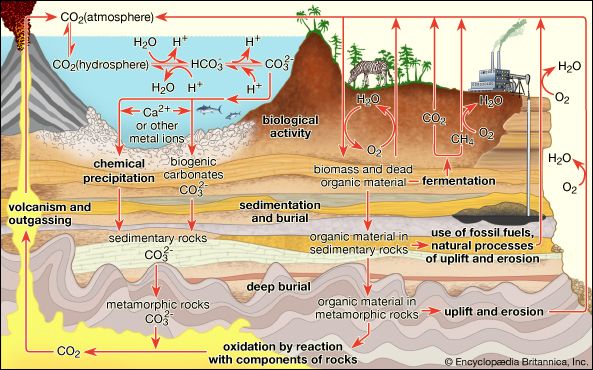
Soil organisms act as essential catalysts in the carbon cycle and nitrogen cycle, facilitating the transformation of nutrients into forms usable by plants.2
The Carbon Cycle
The carbon cycle is driven by the conversion of atmospheric carbon dioxide into plant biomass. When plants and animals die, soil organisms decompose their tissues, releasing carbon back into the atmosphere as carbon dioxide through a process known as soil respiration.28
- Aerobic decomposition: Microorganisms convert dead biomass into carbon dioxide.9
- Anaerobic decomposition: In oxygen-depleted conditions, microorganisms produce organic acids, alcohols, or methane.9
- Storage: Soils act as significant carbon reservoirs, storing carbon in humus and other organic matter.8
The Nitrogen Cycle
Soil organisms are critical for making nitrogen available to plants by breaking down complex proteins, nucleic acids, and polypeptides found in dead organic matter.2
- Mineralization: Microbes convert organic nitrogen into ammonium ions (NH₄⁺), which some plants can absorb directly.9
- Nitrification: Bacteria such as Nitrosomonas and Nitrobacter convert ammonium into nitrite and then into nitrate, a highly mobile form of nitrogen readily absorbed by plant roots.9
- Nitrogen Fixation: Certain organisms, such as Rhizobium bacteria living in the roots of legumes, as well as cyanobacteria, fix atmospheric nitrogen into biomass, effectively introducing new nitrogen into the soil ecosystem.29
Sources
- mesofauna — Encyclopædia Britannica
- soil organism — Encyclopædia Britannica
- mesofauna — Merriam-Webster
- microfauna — Encyclopædia Britannica
- macrofauna — Encyclopædia Britannica
- apterygote - Ecology — Encyclopædia Britannica
- springtail — Encyclopædia Britannica
- soil - Biological phenomena — Encyclopædia Britannica
- soil - Carbon and nitrogen cycles — Encyclopædia Britannica
Published on · 4 min read