Mimicry
The primary difference between Batesian mimicry and Müllerian mimicry lies in the nature of the relationship between the organisms involved and the role of…
Can you explain the difference between Batesian and Müllerian mimicry?
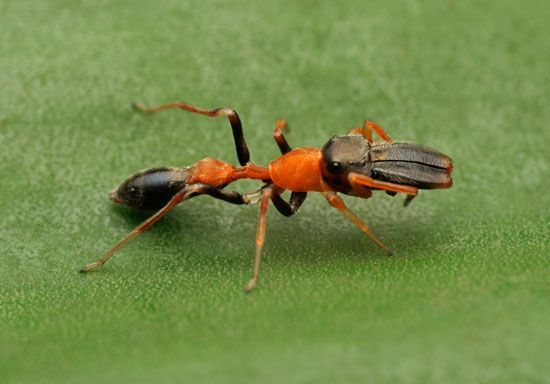
The primary difference between Batesian mimicry and Müllerian mimicry lies in the nature of the relationship between the organisms involved and the role of deception.
- Batesian mimicry is a form of deception where a harmless organism (the mimic) evolves to resemble a noxious or dangerous one (the model). Predators avoid the mimic because they mistake it for the dangerous model, which typically displays conspicuous warning coloration.12
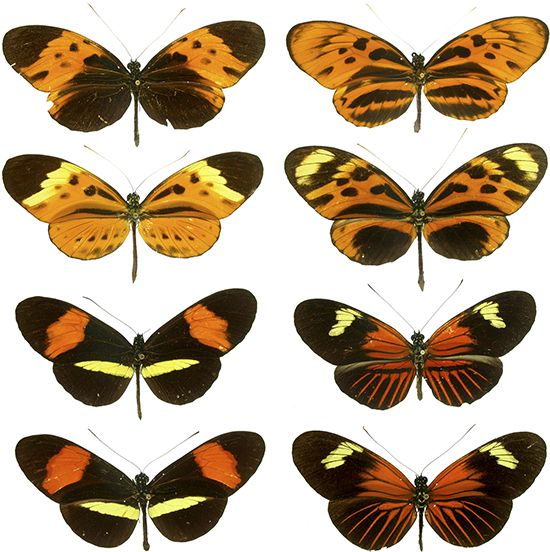
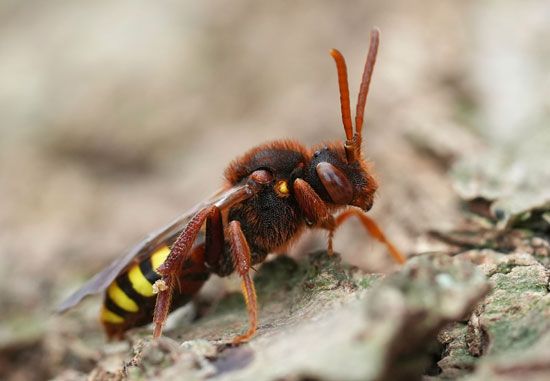
- Müllerian mimicry involves groups of unrelated, noxious, or inedible species that all share the same warning signals. In this case, no deception occurs because all members of the group are genuinely dangerous or unpalatable. By sharing the same appearance, these species reinforce the predator’s avoidance learning, a principle known as signal standardization.34
While Batesian mimicry relies on the predator being fooled, Müllerian mimicry functions as a mutualistic signal system where all participants benefit from a shared, easily recognized warning.4
What are the main types of mimicry found in nature?
In nature, mimicry is a complex biological phenomenon where an organism (the mimic) evolves to resemble another (the model) to gain a survival or reproductive advantage, often influencing the behavior of a third party (the receiver). The main types of mimicry include:67
Batesian and Müllerian Mimicry
- Batesian mimicry: A form of deception where a harmless or palatable species evolves to resemble a noxious or dangerous model. Predators avoid the mimic because they mistake it for the dangerous model, which typically displays conspicuous warning coloration.42
- Müllerian mimicry: Involves two or more unrelated, noxious, or dangerous species that share the same warning signals. This is not considered deceptive, as all participants are genuinely harmful; by standardizing their appearance, they reinforce predator avoidance learning.827
Aggressive Mimicry
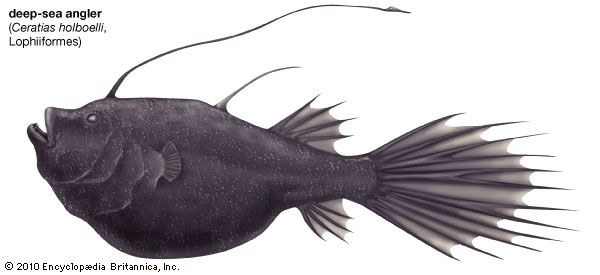
- Aggressive mimicry: A predator or parasite adopts the characteristics of a model to gain an advantage over its prey or host. Examples include anglerfishes using a lure to attract prey or cuckoos laying eggs that resemble those of their hosts.45
Other Forms
- Mimesis: Often confused with mimicry, this involves an organism resembling an inanimate object (such as a twig or leaf) to avoid detection, rather than influencing a specific receiver’s behavior.7
- Intraspecific Mimicry: Mimicry can occur within the same species, such as in certain fish where males use egg-like spots to facilitate fertilization.9
What are some examples of plant mimicry in nature?
Plants utilize various forms of mimicry to facilitate pollination, seed dispersal, or to capture prey. These strategies often involve deceiving insects through visual or olfactory signals.
Insect-Luring and Aggressive Mimicry
Many plants employ aggressive mimicry to attract insects for their own benefit:
- Insectivorous Plants: The sundew uses glistening secretory droplets to lure insects, which are then trapped and digested. Similarly, pitcher plants feature juglike leaves with flowerlike markings and nectar to entice insects, which then slip into digestive fluids.11
- Carrion Mimicry: Certain carrion flowers and stinkhorn mushrooms mimic the odor of rotting flesh or dung to attract carrion flies and dung beetles. The cuckoopint even elevates its temperature to increase the spread of its scent.12
Sexual and Floral Mimicry
- Orchids: Many orchids, particularly in the genus Ophrys, mimic female insects. Their labellum acts as a dummy female, attracting males that attempt to copulate with the flower, thereby transferring pollen.9
- Spore Dispersal: Some mosses mimic nectar-bearing flowers to attract flies, which then aid in the dispersal of their spores.12
Can you describe some instances of mimicry in marine environments?
Mimicry in marine environments is a fascinating survival strategy, often manifesting as aggressive mimicry where predators use deception to secure food.
The Cleaner Mimic
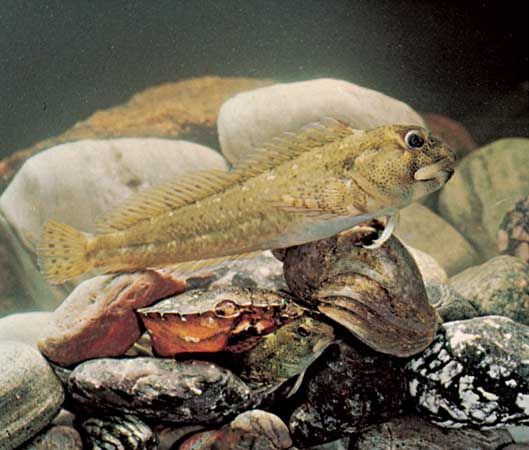
One of the most notable examples involves the wrasse (Labroides dimidiatus), a cleaner fish that removes parasites from other marine life. Its distinct black and white coloration and dancelike swimming pattern signal its helpful role to other fish. The sabre-toothed blenny (Aspidontus taeniatus) has evolved to mimic the wrasse’s appearance and behavior. By imitating the cleaner’s dance, the blenny lures unsuspecting fish into range, allowing it to bite off pieces of their fins. Over time, victims learn to distinguish between the genuine cleaner and the mimic based on experience.15
Aggressive Mimicry in Predators
- Anglerfishes: These predators utilize a specialized, rodlike spine tipped with a fleshy, wormlike “bait.” By waving this organ, they lure smaller fish within striking distance, effectively mimicking the prey of their intended victims.76
These strategies demonstrate how natural selection drives the development of complex behavioral and physical traits to gain a competitive advantage in the ocean.
Sources
- Batesian mimicry — Encyclopædia Britannica
- mimicry - Müllerian mimicry — Encyclopædia Britannica
- mimicry - Batesian mimicry — Encyclopædia Britannica
- mimicry - The reconstruction of evolutionary pathways — Encyclopædia Britannica
- mimicry - The importance of the signal receiver — Encyclopædia Britannica
- mimicry - Aggressive mimicry — Encyclopædia Britannica
- aggressive mimicry — Encyclopædia Britannica
- Müllerian mimicry — Encyclopædia Britannica
- mimicry - Mimicry to effect pollination and dispersal — Encyclopædia Britannica
- mimicry - Mimicry within species — Encyclopædia Britannica
- mimicry - Insect-luring plants — Encyclopædia Britannica
- mimicry - Orchids — Encyclopædia Britannica
- mimicry - Carrion flowers , stinkhorn mushrooms, and mosses — Encyclopædia Britannica
- mimicry - Aggressive mimicry — Encyclopædia Britannica
- mimicry - The cleaner mimic — Encyclopædia Britannica
- mimicry - Automimicry — Encyclopædia Britannica
- octopus — Encyclopædia Britannica
Published on · 4 min read