Mindanao River
The Mindanao River is the primary river of the Cotabato lowland in central Mindanao, Philippines. It originates in the central highlands as the Pulangi River…
What is Mindanao River?
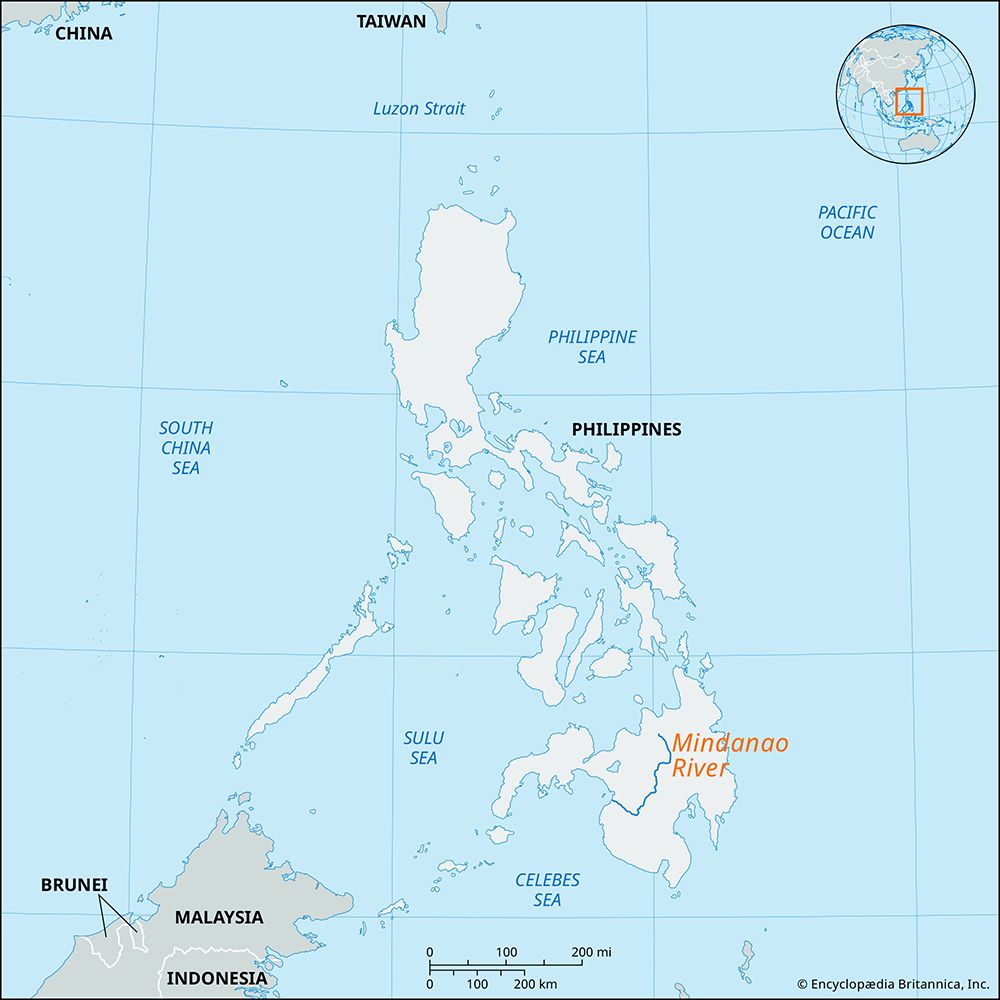
The Mindanao River is the primary river of the Cotabato lowland in central Mindanao, Philippines. It originates in the central highlands as the Pulangi River and flows south, joining the Kabacan to form the Mindanao River.1
Spanning approximately 200 miles (320 km), the river meanders northwest through the Libungan Marsh and Liguasan Swamp before emptying into Illana Bay via the Cotabato and Tamentaka tributaries. The river system, supported by numerous tributaries such as the Alah and Maridagao, creates a wide, fertile basin that serves as a vital inland transportation artery. Its banks host several trading centers, including Cotabato City.1
It is important to note that while the Mindanao River is the main river of the Cotabato lowland, the Agusan River holds the distinction of being the longest river on the island of Mindanao.2
How does the Mindanao River support local agriculture?
The Mindanao River supports local agriculture primarily by creating a wide, fertile basin through its extensive river system. This basin, formed by the river’s numerous tributaries—including the Pulangi, Maridagao, Alah, Malabul, Dalapuan, and Alip—provides the necessary environmental conditions for productive farming in the Cotabato lowland.1
While the provided search results do not explicitly list the specific crops grown within the Mindanao River basin, the island of Mindanao itself is known as the country’s “pioneer frontier” due to its large expanses of fertile land. The primary crops cultivated across the island include corn (maize), rice, abaca, bananas, pineapples, mangoes, and coconuts, as well as cotton, ramie, coffee, and cacao. The river system also serves as a vital inland transportation artery, facilitating the movement of goods to trading centers such as Cotabato City, which helps connect agricultural products to broader markets.31
What are the primary differences between the Mindanao and Agusan rivers?
The Mindanao and Agusan rivers are the two most significant river systems on the island of Mindanao, each draining distinct regions and supporting unique economic activities.
Key Differences
Feature
Mindanao River
Agusan River
Location
Drains the Cotabato Valley in the southwest.
Drains the fertile lands of the northeastern quadrant.
Length
Approximately 200 miles (320 km).
240 miles (390 km), making it the longest river on the island.
Flow Direction
Flows generally northwest.
Flows northward to enter
Butuan
Bay.
Economic Focus
Serves as a vital inland transportation artery for the Cotabato lowland.
Concentrated forest industry; major producer of rice and coconut.
While both rivers are essential to the island’s geography and agriculture, the Agusan River is notable for its historical role as the primary access route to the interior before the construction of modern road networks. In contrast, the Mindanao River system is defined by its extensive network of tributaries and marshes that shape the landscape of the Cotabato Valley.43
What kind of wildlife lives in the Liguasan Swamp?
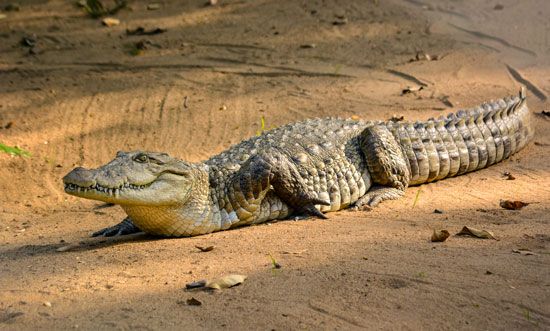
The Liguasan Swamp, a significant wetland area located along the Mindanao River in the Philippines, is primarily noted for being a habitat for crocodiles.1
While the Liguasan Swamp specifically is recognized for its crocodile population, the broader Philippine landscape—which includes various rivers, marshes, and wetlands—supports a vast array of wildlife. The country is home to more than 200 species of mammals, including water buffalo, monkeys, and various civet cats, as well as hundreds of bird species such as herons, kingfishers, and parrots. Additionally, the diverse aquatic environments across the Philippines host a wide variety of reptiles, amphibians, and fish, including protected species like the Philippine crocodile and the leatherback turtle.5
Sources
- Mindanao River — Encyclopædia Britannica
- Agusan River — Encyclopædia Britannica
- Mindanao — Encyclopædia Britannica
- Philippines - Drainage — Encyclopædia Britannica
- Philippines - Plant and animal life — Encyclopædia Britannica
- Swamp — Encyclopædia Britannica
Published on · 3 min read