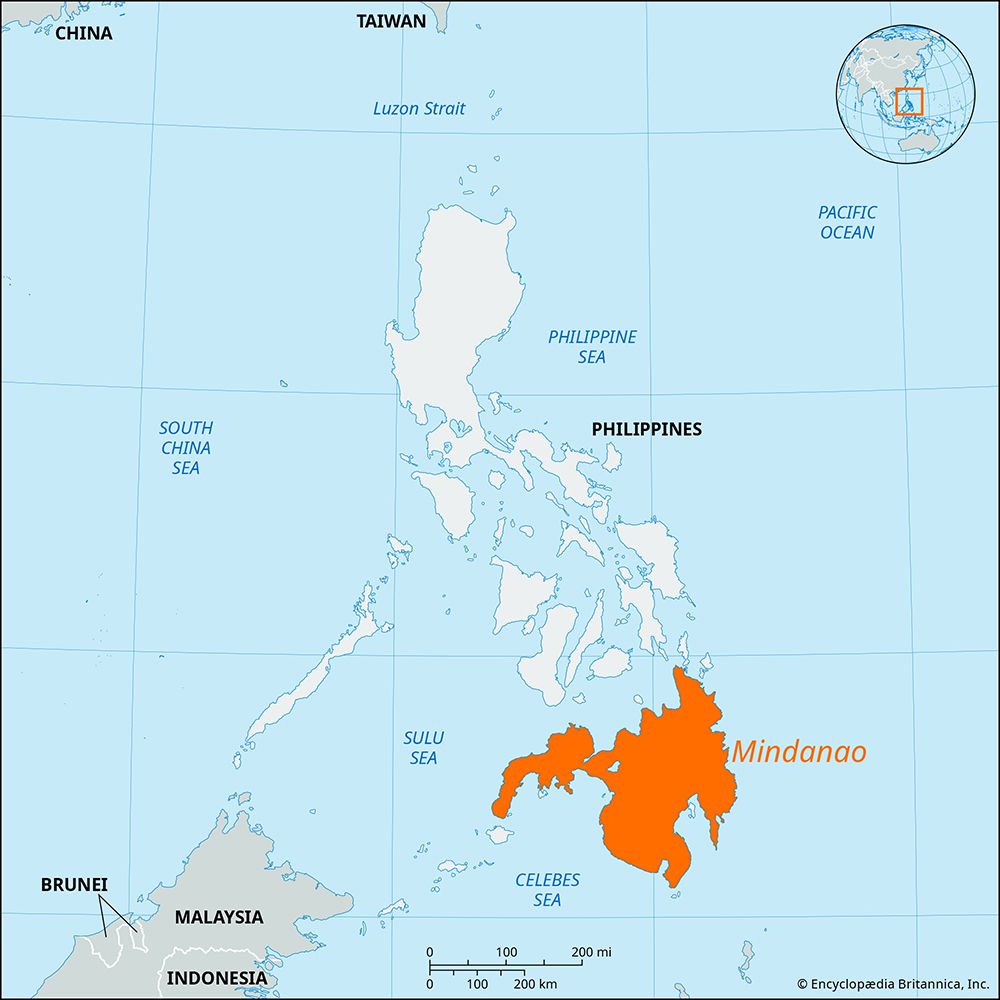
Mindanao
Mindanao, often referred to as the "pioneer frontier" of the Philippines, possesses a diverse economy driven by its fertile land and significant natural…
What are the main economic activities and natural resources found on Mindanao?
Mindanao, often referred to as the “pioneer frontier” of the Philippines, possesses a diverse economy driven by its fertile land and significant natural resources.1
Economic Activities
- Agriculture: The island is a major agricultural hub. Key crops include corn, rice, coconuts, bananas, pineapples, and mangoes. Other important products include abaca, coffee, cacao, cotton, ramie, sugarcane, tobacco, and various fruits and vegetables.123
- Forestry and Fishing: The timber industry remains significant, though it faces challenges from historical over-logging. Commercial fishing is a vital activity, with tuna being a primary export.132
- Mining: Mining is an important sector, with operations extracting various metallic and nonmetallic minerals.34
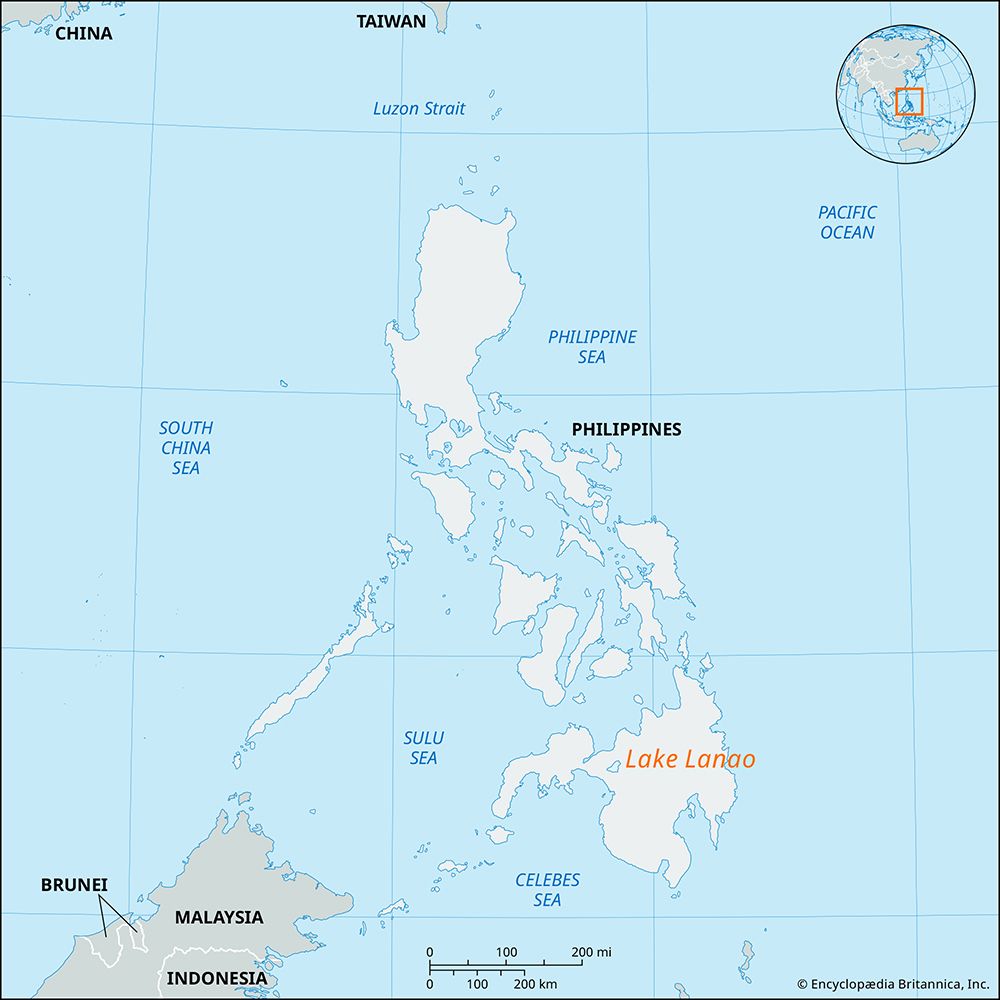
- Energy: The island contributes to the national power supply through hydroelectric power projects, such as those utilizing Lake Lanao.14
Natural Resources
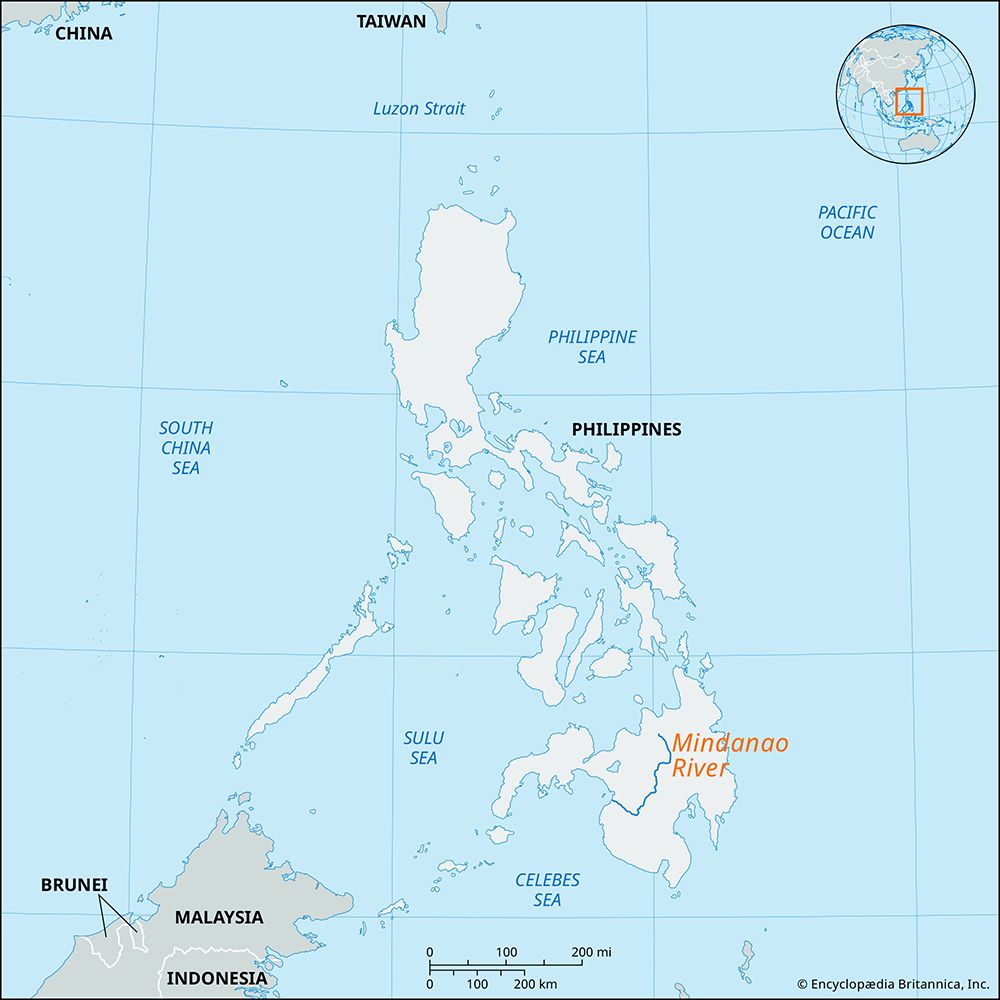
Mindanao is rich in both mineral and biological wealth. It holds significant deposits of gold, nickel, iron, and coal. The island’s extensive river systems, such as the Mindanao and Agusan rivers, support fertile basins that facilitate large-scale farming.134
What are some of the major cities and urban centers on Mindanao?
Mindanao features several significant chartered cities that serve as vital regional hubs for commerce, administration, and culture. These urban centers play a crucial role in the island’s development as a “pioneer frontier” of the Philippines.1
Key cities and urban centers include:
- Davao City: Located in southeastern Mindanao, it is a leading regional center for commerce and administration. It functions as a major international port, facilitating the export of abaca and other agricultural products.5
- Zamboanga City: Situated on the southwestern tip of the Zamboanga Peninsula, this busy port city is known for its Spanish-style architecture and serves as a center for trade and local industry.6
- Cagayan de Oro: A major chartered city in northern Mindanao that serves as a key economic and logistical gateway for the region.1
- Cotabato City: An important chartered city located in the southwestern part of the island, serving as a significant administrative and cultural hub.1
- Butuan: A chartered city in the northern part of the island, playing a key role in the regional economy.1
- Marawi: Located on the northern shore of Lake Lanao, this city is a prominent center for Muslim culture and trade, specializing in traditional handicrafts.7
What languages are commonly spoken on Mindanao?
Mindanao is home to a diverse array of languages, most of which belong to the Austronesian (Malayo-Polynesian) language family.89
- Cebuano: This is widely spoken across parts of Mindanao, particularly along the northern and western coasts. It is one of the most prominent languages in the Philippines, serving as a major lingua franca in the region.1081
- Maguindanao and Maranao: These are notable languages of the Southern Philippine subfamily. The Maguindanao people are primarily concentrated in the south-central river basins, while the Maranao are largely found around Lake Lanao.811912
- Tagalog and Filipino: As the base for the national language, Pilipino (Filipino), Tagalog is spoken by many as a second language and is used in government, education, and media throughout the island.813
- Other Indigenous Languages: Mindanao hosts the largest concentration of ethnic minorities in the country, many of whom speak their own distinct languages. These include groups such as the T’boli, Subanon, Bukidnon, Bagobo, Mandaya, Manobo, and Tiruray.11
How does Mindanao’s climate differ from other parts of the Philippines?
Mindanao’s climate is distinct from the rest of the Philippines primarily due to its geographic location and relative immunity to severe weather events.
Key Climatic Differences
- Typhoon Frequency: While the Philippines as a whole is frequently struck by tropical cyclones between June and December, Mindanao is generally free from these storms.14
- Precipitation Patterns: Rainfall distribution varies significantly across the archipelago. While the eastern shores facing the Pacific Ocean experience the heaviest rainfall, a specific area extending from the central Visayan group through central Mindanao and southwestward to the Sulu Archipelago experiences less intense rainfall during the wet season compared to other regions.14
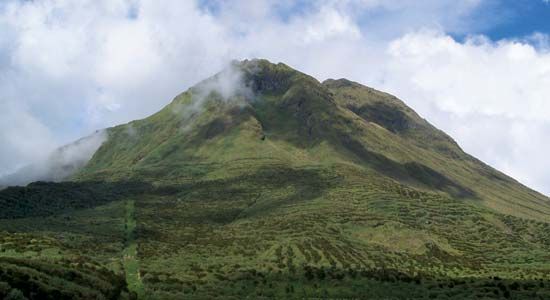
- Highland Temperatures: Similar to other parts of the country, temperatures in Mindanao decline with elevation. Areas such as Malaybalay in central Mindanao benefit from a pleasant, cooler climate year-round, with temperatures occasionally dipping near 40 °F (4 °C), contrasting with the hot temperatures that can reach 100 °F (38 °C) in lowland cities like Davao.14
Sources
- Mindanao — Encyclopædia Britannica
- Zamboanga Peninsula — Encyclopædia Britannica
- Philippines - Resources and power — Encyclopædia Britannica
- Philippines - Agriculture, forestry, and fishing — Encyclopædia Britannica
- Zamboanga City — Encyclopædia Britannica
- Davao City — Encyclopædia Britannica
- Marawi — Encyclopædia Britannica
- Cebuano language — Encyclopædia Britannica
- Philippines - Languages — Encyclopædia Britannica
- Cebuano — Encyclopædia Britannica
- Maranao — Encyclopædia Britannica
- Maguindanao — Encyclopædia Britannica
- Tagalog language — Encyclopædia Britannica
- Philippines - Climate — Encyclopædia Britannica
Published on · 3 min read