Mobile Bay
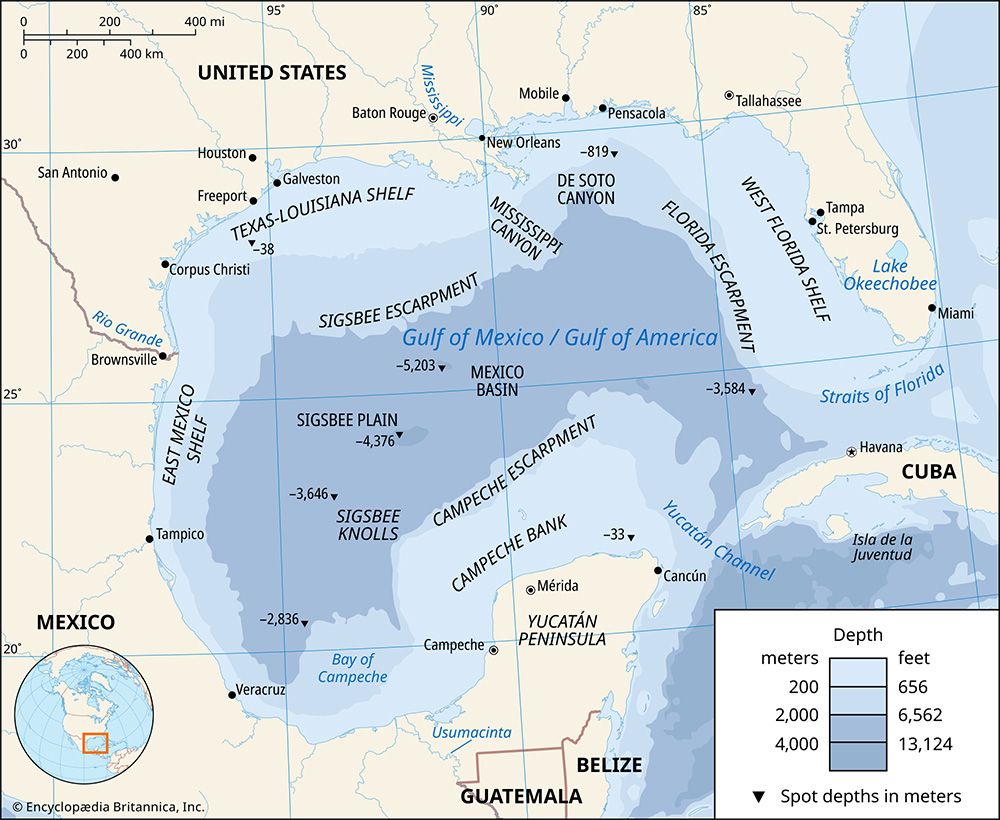
Mobile Bay is an arm of the Gulf of Mexico located in southwestern Alabama, United States.
What is the geographical location and size of Mobile Bay in Alabama?
Mobile Bay is an arm of the Gulf of Mexico located in southwestern Alabama, United States.1
The bay extends 35 miles (56 km) north from its outlet to the mouth of the Mobile River. It measures between 8 and 18 miles (13–29 km) in width. The bay’s outlet to the Gulf of Mexico is situated between Dauphin Island and Mobile Point. The city of Mobile is located on the bay’s northwestern shore, serving as a significant hub for commercial traffic that utilizes the Intracoastal Waterway and the river systems flowing into the bay.1
How has Mobile Bay’s history influenced the development of the surrounding region?
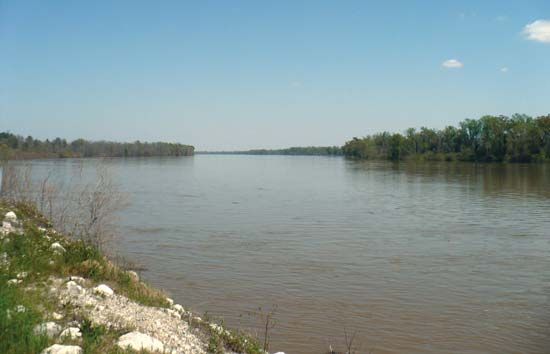
Mobile Bay has been a central driver of regional development in Alabama, primarily by serving as a vital maritime gateway and transportation artery. Its strategic position at the mouth of the Mobile River established the city of Mobile as a critical seaport, facilitating the export of inland resources like cotton, coal, and lumber.145
The bay’s economic influence expanded significantly through infrastructure projects, including the development of the Intracoastal Waterway and the Tennessee-Tombigbee Waterway, which connected the port to broader national and international markets. Controlling the depth of the bay’s ship channel has been essential to maintaining this commercial viability.15
Historically, the bay was a focal point of military conflict, most notably during the American Civil War. The Battle of Mobile Bay in 1864 was a decisive event that closed one of the Confederacy’s last major ports, shifting the regional balance of power. Today, the bay remains a hub for shipbuilding, repair, and energy production, while also preserving a complex cultural history that includes the legacy of the Middle Passage and the Africatown community.125
How does the Port of Mobile contribute to the local and state economy?
The Port of Mobile serves as a vital economic engine for both the city of Mobile and the state of Alabama. As the state’s only seaport, it functions as a critical gateway for international and domestic trade, facilitating the export of essential commodities such as cotton, coal, and lumber produced inland.64
The port’s commercial success is supported by a robust network of infrastructure, including the Tennessee-Tombigbee Waterway and the Intracoastal Waterway, which connect the facility to broader river systems and national markets. The deepening of the ship channel has been a fundamental factor in maintaining the port’s competitiveness and capacity for large-scale shipping.64
Beyond traditional shipping, the port is a cornerstone of the regional economy through:
- Industrialization: It remains a major center for shipbuilding and repair, a role that expanded significantly during the World Wars.4
- Energy: The extraction and processing of natural gas and oil from the Gulf of Mexico are central to the local economy.4
- Manufacturing: The port supports industries producing paper products, chemicals, aircraft parts, and computer hardware.4
What types of recreational activities are popular in and around Mobile Bay?
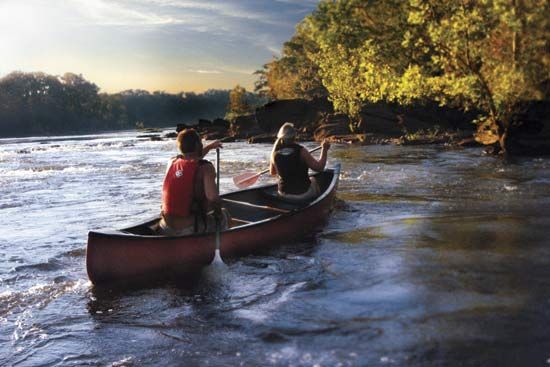
Recreational activities in and around Mobile Bay offer a blend of historical exploration, nature appreciation, and cultural celebration. Visitors can engage with the region’s rich past by touring several significant sites:
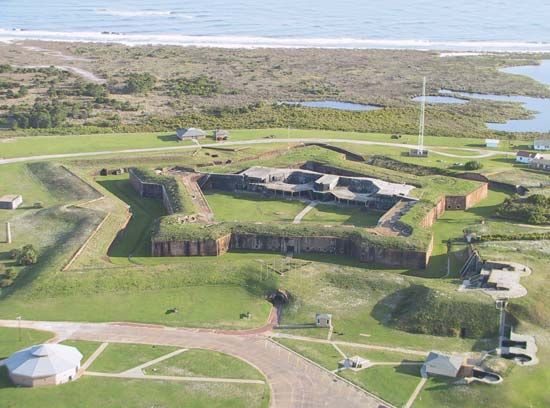
- Historical Landmarks: You can explore the USS Alabama Battleship Memorial Park, as well as the historic Fort Morgan and Fort Gaines located at the bay’s entrance. Additionally, Historic Blakely State Park offers a look at Civil War history.
- Nature and Gardens: The Bellingrath Gardens and Home is a premier destination for viewing azaleas and diverse plant life. For outdoor enthusiasts, Meaher State Park provides further opportunities to enjoy the natural landscape across the bay.
- Cultural Festivals: Mobile is the birthplace of Mardi Gras in North America, featuring annual parades and festivities. Other seasonal highlights include the historic homes tour and the Azalea Trail, both held in the spring.
- Museums: The area hosts several institutions, such as the Mobile Museum of Art, the Museum of Mobile, and the Africatown Heritage House, which honors the history of the local community.
Sources
- Mobile Bay — Encyclopædia Britannica
- Alabama River — Encyclopædia Britannica
- Mobile River — Encyclopædia Britannica
- Mobile — Encyclopædia Britannica
- Battle of Mobile Bay — Encyclopædia Britannica
- Alabama - Transportation — Encyclopædia Britannica
- Alabama - Cultural institutions — Encyclopædia Britannica
Published on · 3 min read