Mobile River
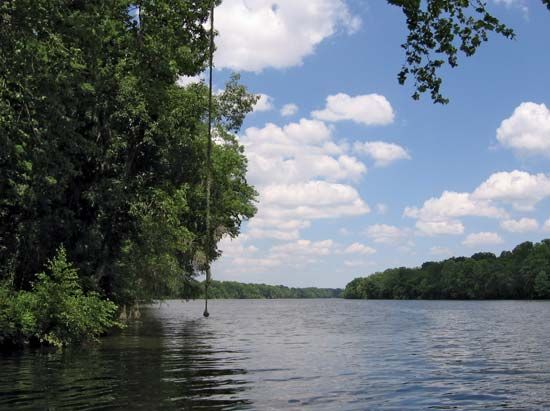
The Mobile River is a 45-mile-long river located in southwestern Alabama, U.S. It is formed by the confluence of the Tombigbee and Alabama rivers.
What is Mobile River?
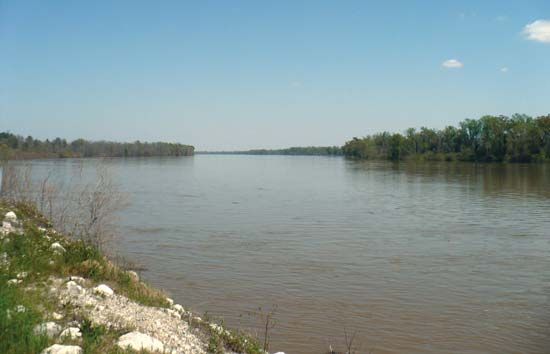
The Mobile River is a 45-mile-long river located in southwestern Alabama, U.S. It is formed by the confluence of the Tombigbee and Alabama rivers.1
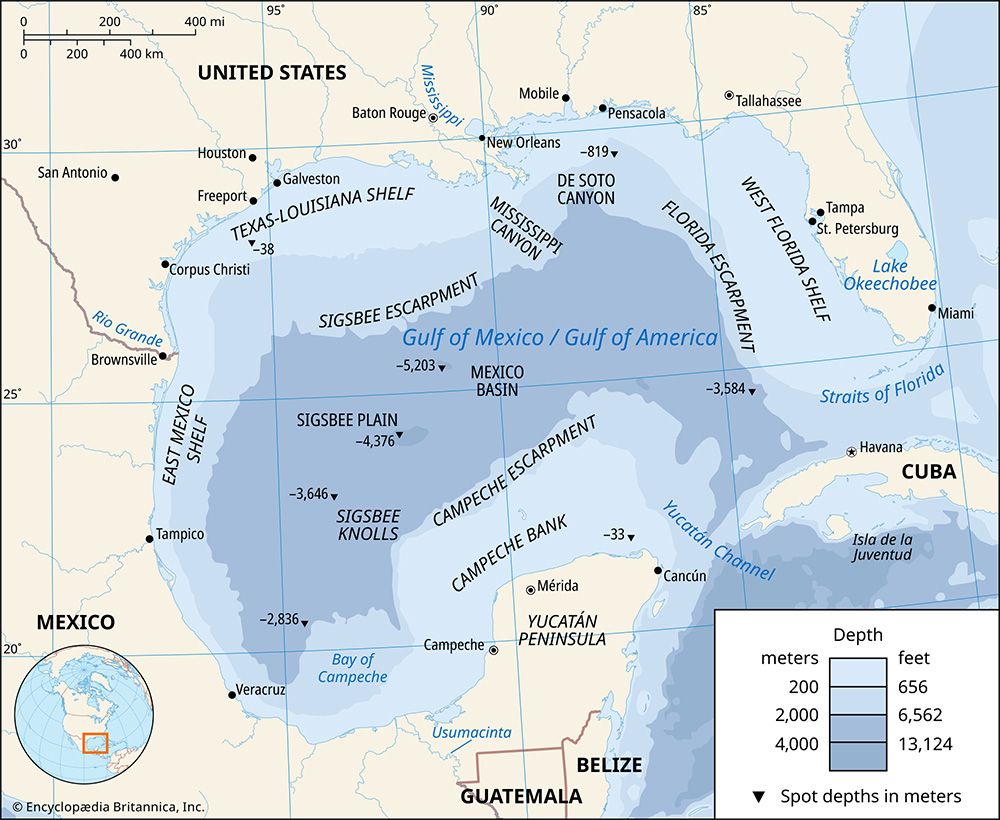
The river flows southward through a delta region before entering Mobile Bay, an arm of the Gulf of Mexico. Together with its tributaries, the Mobile River drains approximately 44,000 square miles, ranking it as the sixth-largest river basin in the United States1. The city of Mobile, situated at the head of the bay, serves as the river’s chief city and acts as a significant hub for commercial river traffic.12
What makes the Mobile-Tensaw Delta ecologically important?
Sorry, the Britannica knowledge base does not contain this information.
How do river basins influence the growth of major cities?
River basins have historically served as the foundational environments for human civilization, providing the essential resources and logistical advantages necessary for the growth of major cities.5
Historical Significance and Settlement
The fertile floodplains of major river systems, such as the Tigris-Euphrates, Nile, and Indus, supported the earliest permanent settlements. These “hydraulic civilizations” thrived by developing irrigation and flood-control engineering, which allowed for agricultural surpluses that freed portions of the population from direct food production, enabling the rise of towns and cities.5
Economic and Logistical Advantages
River basins influence urban growth through several key factors:
- Communication and Trade: Rivers provided the easiest means of transport for explorers, traders, and settlers. Cities often emerged at strategic points, such as river crossings, where they could control trade and bridge traffic.5
- Industrial Utility: As cities industrialized, rivers became vital for supplying water for cooling, manufacturing, and generating hydroelectric power.67
- Estuarine Ports: Many major cities were founded at the seaward margins of river systems. These estuaries served as critical hubs for shipping and commerce, connecting inland resources to global trade networks.86
Modern Urban Development
In North America and beyond, natural waterways directed the lines of exploration and settlement. Cities often “mushroomed” at junctures between transport routes or where modes of transport changed, such as where river traffic met early rail systems. While modern technology has reduced some dependencies, a strong early start in a favorable riverine location often provided the momentum for cities to accumulate the capital and population necessary to become major urban centers.59
What is the difference between a river confluence and a delta?
A river confluence and a delta represent two distinct stages and processes in the life of a river system.
River Confluence
A confluence refers to the point where two or more flowing bodies of water join together to form a single, larger stream. At a confluence, multiple tributaries or branches merge, often increasing the volume and energy of the resulting trunk stream.1112
Delta
In contrast, a delta is a depositional landform created at the mouth of a river where it enters a body of standing water, such as an ocean or lake. Unlike a confluence, where water converges, a delta is characterized by the river spreading out into multiple distributary channels as it deposits sediment. The formation of a delta is a complex process determined by the balance between the river’s sediment load and the energy of the receiving water body, such as tides or waves.131415
In summary, while a confluence marks the merging of water sources into a larger channel, a delta marks the spreading and deposition of sediment as a river reaches its end.1311
Sources
- Mobile River — Encyclopædia Britannica
- Alabama River — Encyclopædia Britannica
- river - Deltas and time — Encyclopædia Britannica
- Mobile — Merriam-Webster
- river - Significance in early human settlements — Encyclopædia Britannica
- river - Estuaries — Encyclopædia Britannica
- river - Significance to trade , agriculture, and industry — Encyclopædia Britannica
- Yellow River - Economic development — Encyclopædia Britannica
- United States - Classic patterns of siting and growth — Encyclopædia Britannica
- North America - Water development — Encyclopædia Britannica
- river - Braided channels — Encyclopædia Britannica
- river - Deltas — Encyclopædia Britannica
- river - Classification of deltas — Encyclopædia Britannica
- Did you know? — Merriam-Webster
- confluent — Merriam-Webster
Published on · 3 min read