Mohawk River
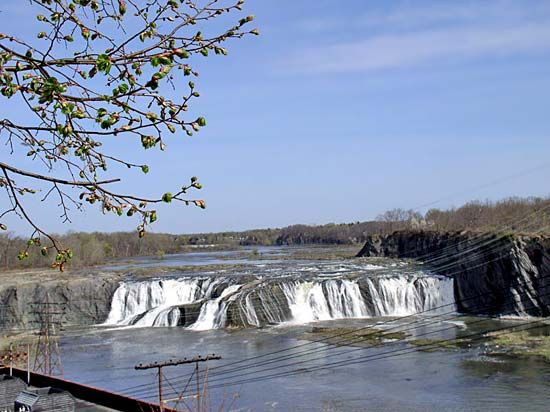
The Mohawk River flows through east-central New York, serving as a historic corridor that connects the Appalachian Mountains to the Great Lakes region.…
What are some of the major cities and towns located along the Mohawk River?
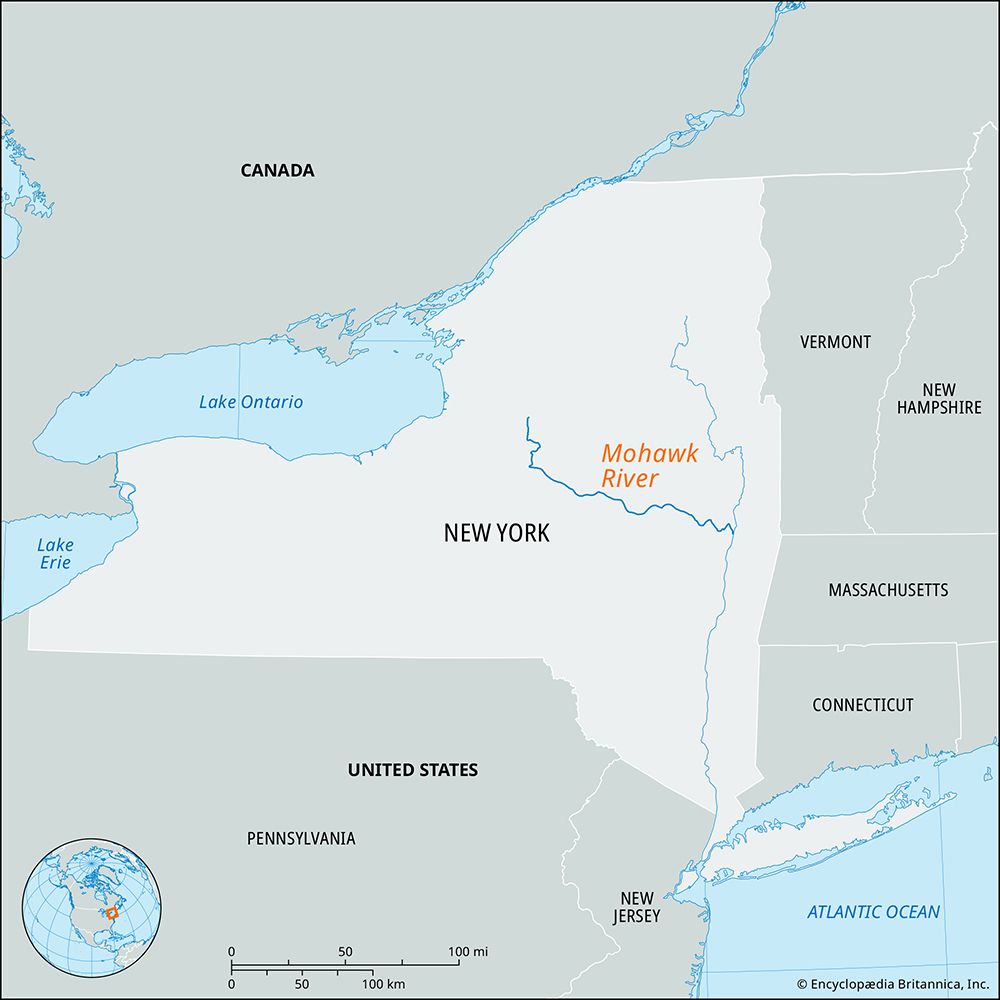
The Mohawk River flows through east-central New York, serving as a historic corridor that connects the Appalachian Mountains to the Great Lakes region. Several notable cities and towns are situated along its banks, including:1
- Rome: Located near the river’s upper reaches, it serves as a key point where the river begins its eastward journey.1
- Utica: A major city positioned along the river’s path.1
- Amsterdam: Situated in Montgomery county, this city developed significantly due to its location on the Mohawk Trail and the Erie Canal.12
- Schenectady: A prominent city located downstream from Amsterdam.12
- Waterford: The point where the Mohawk River joins the Hudson River, situated north of Troy.1
What is the geographical location and course of the Mohawk River in New York?
The Mohawk River is the largest tributary of the Hudson River and is located in east-central New York, U.S.1
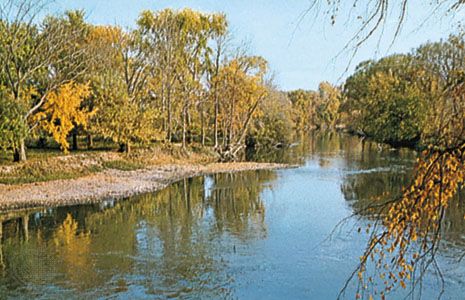
The river forms in Oneida county at the junction of its East and West branches. From there, it flows approximately 140 to 148 miles in a generally eastward direction through the Mohawk Valley, a significant physiographic region that reaches widths of up to 30 miles. Its course passes through several cities, including Rome, Utica, Amsterdam, and Schenectady, before joining the Hudson River at Waterford, north of Troy.134
Historically, this valley served as a vital route through the Appalachian Mountains into the Great Lakes region, facilitating westward expansion and commerce via the Erie Canal.13
What role did the Mohawk River play in Native American history and culture?
The Mohawk River valley served as a vital cultural and strategic landscape for the Haudenosaunee Confederacy, particularly for the Mohawk people, who were the easternmost nation of the confederacy. The fertile valley provided the environment necessary for the Haudenosaunee to practice their traditional way of life as semisedentary agriculturists, cultivating corn, beans, and squash.15
Beyond its role in daily life, the river valley functioned as a critical corridor through the Appalachian Mountains toward the Great Lakes. By the 17th century, the Mohawk used this strategic position to control trade routes, exchanging beaver pelts for European goods and firearms. This control allowed the Haudenosaunee to maintain significant political autonomy while acting as a buffer between colonial powers, including the French, Dutch, and English.16
The valley was also a major battleground during the French and Indian War and the American Revolution. During the Revolution, the confederacy faced internal divisions, with some nations supporting the American cause while others, led by Mohawk loyalists like Joseph Brant, fought for the British.16
What is the length of the Mohawk River and how does it compare to other rivers in New York state?
The Mohawk River flows for approximately 140 miles (225 km) through east-central New York. As the largest tributary of the Hudson River, it is one of nine major rivers in the state.18
While New York features numerous waterways, the Mohawk and Hudson rivers are historically the most significant, having served as the primary avenues of commerce and westward expansion through the Appalachian Mountains into the Great Lakes region. The Mohawk Valley, which reaches widths of up to 30 miles, provided the essential route for the Erie Canal, the New York Central Railroad, and the Governor Thomas E. Dewey Thruway. Other notable rivers in the state, such as the Genesee, Oswego, Delaware, Susquehanna, and Allegheny, also play vital roles in drainage, water supply, and regional development.183
Sources
- Mohawk River — Encyclopædia Britannica
- Amsterdam — Encyclopædia Britannica
- New York - Relief — Encyclopædia Britannica
- Mohawk — Merriam-Webster
- Haudenosaunee Confederacy — Encyclopædia Britannica
- Mohican — Encyclopædia Britannica
- Iroquoian peoples — Encyclopædia Britannica
- New York - Drainage — Encyclopædia Britannica
- New York State Canal System — Encyclopædia Britannica
Published on · 3 min read