Monchique Mountains
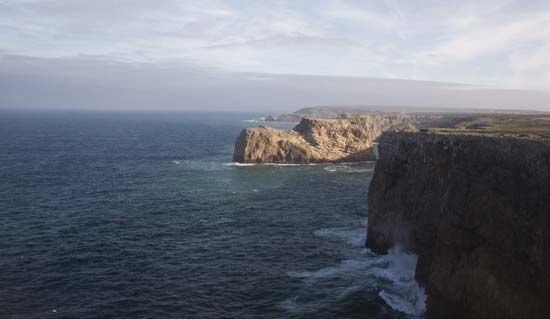
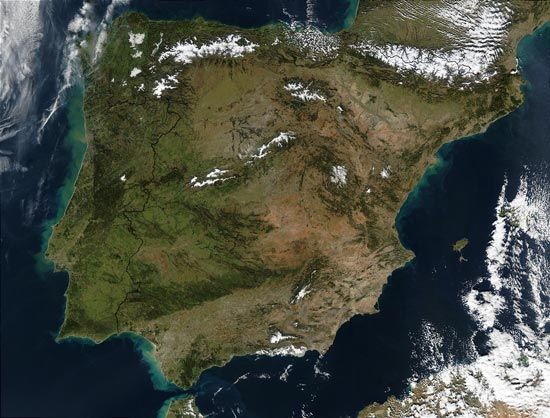
The Monchique Mountains are a low mountain range located in southern Portugal, situated near Cape Saint Vincent on the Iberian Peninsula.
What is Monchique Mountains?
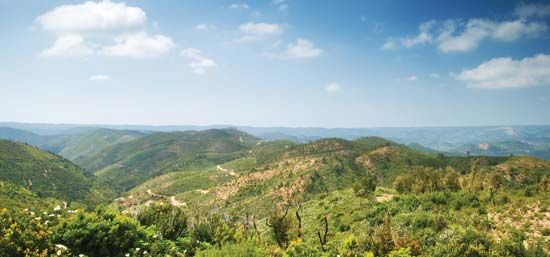
The Monchique Mountains are a low mountain range located in southern Portugal, situated near Cape Saint Vincent on the Iberian Peninsula.1
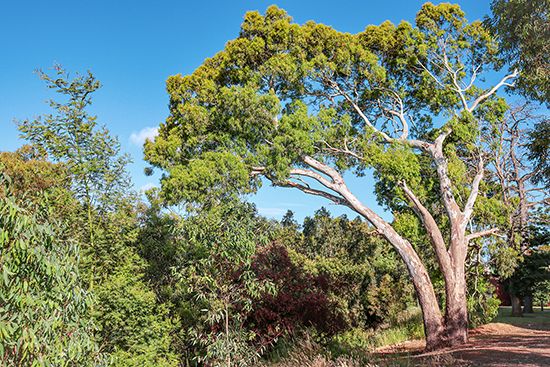
This range is a dissected igneous rock massif composed of syenite, reaching its highest elevation at Foia, which stands at 902 meters (2,960 feet). The area is well-known for its diverse plant life and the medicinal waters found at the spas of Caldas de Monchique. While the region supports some timber production—including pine, chestnut, and oak—eucalyptus plantations have become widespread across the inland hills. Today, the mountains serve as a destination for tourism, with various hotels and restaurants located along the routes leading to the higher elevations.1
What is syenite and how is it formed?
Syenite is a class of intrusive igneous rock composed primarily of alkali feldspar and ferromagnesian minerals, such as biotite, hornblende, or pyroxene. While its granular texture resembles that of granite, syenite is distinguished by the absence or scarcity of quartz.2
Formation
Syenite is formed through the cooling and solidification of magma deep within the Earth’s crust. As an intrusive (or plutonic) rock, it originates from molten material that rises from the asthenosphere because it is less dense than the surrounding solid rock.3
Because this magma is trapped deep underground, it cools slowly, allowing for the growth of large, visible mineral crystals—a texture known as phaneritic. Over long periods, these deep-seated rocks may be exposed at the surface through denudation or tectonic uplift. Chemically, syenites are characterized by a moderate silica content and relatively high concentrations of alumina and alkalies.32
Why are the waters in Caldas de Monchique considered medicinal?
The waters of Caldas de Monchique are considered medicinal due to their classification as mineral water, a tradition rooted in the historical practice of “taking the waters” for therapeutic purposes.61
While specific chemical analyses for Caldas de Monchique are not detailed in the provided text, mineral springs generally derive their reputed healing properties from the presence of dissolved salts—such as sulfates, carbonates, iron, and sulfur—as well as trace minerals like lithium and various gases. Historically, these waters have been used for both drinking and bathing to address various health concerns.6
It is important to note that the therapeutic benefits of such locations often stem from a combination of factors. Beyond the mineral content of the water, the spa environment itself—including the climate, the opportunity for relaxation, and a change in lifestyle—plays a significant role in the perceived healing effects for visitors.6
We could dive deeper into the history of how mineral springs were utilized in European culture or explore the geological processes that create thermal waters.
What types of wildlife inhabit the Monchique Mountains?
The Monchique Mountains are a dissected igneous rock massif located in southern Portugal, known primarily for their varied plant life, including timber species like pine, chestnut, and oak, as well as extensive eucalyptus plantations.17
While the provided search results highlight the region’s unique flora and geological composition, they do not contain specific data regarding the wildlife species that inhabit the Monchique Mountains themselves. Generally, the fauna of Portugal includes ubiquitous species such as the fox, rabbit, and Iberian hare, as well as wild boar and deer in the broader countryside. However, because the available information does not explicitly document the wildlife specific to this mountain range, I cannot provide a definitive list of animals found there.8
Sources
- Monchique Mountains — Encyclopædia Britannica
- syenite — Encyclopædia Britannica
- igneous rock — Encyclopædia Britannica
- syenite — Merriam-Webster
- nepheline syenite — Encyclopædia Britannica
- spa — Encyclopædia Britannica
- Portugal - Wildlife of Portugal — Encyclopædia Britannica
- Portugal - Vegetation — Encyclopædia Britannica
- Portugal - South — Encyclopædia Britannica
Published on · 3 min read