Hare
While rabbits and hares are often confused, they are distinct animals with clear physical and developmental differences. It is a common misconception that…
What are the key physical characteristics that distinguish hares from rabbits?
While rabbits and hares are often confused, they are distinct animals with clear physical and developmental differences. It is a common misconception that they are the same; for instance, despite their name, jackrabbits are actually hares, while some species like the hispid hare are biologically rabbits.12
Key physical and developmental distinctions include:
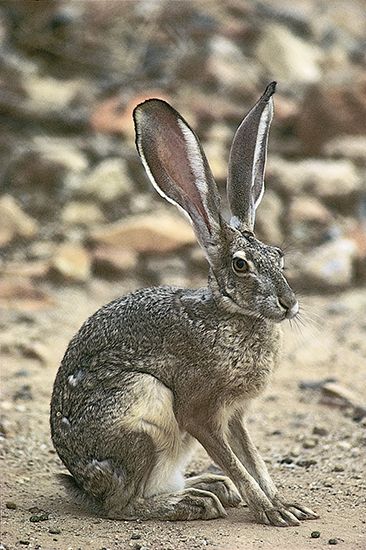
- Size and Ears: Generally, rabbits are smaller and possess shorter ears compared to the larger hares.12
- Development at Birth: Rabbits are born altricial—meaning they are furless and have closed eyes—following a gestation period of 30–31 days. In contrast, hares are born precocial, emerging fully developed with fur and open eyes after a longer gestation period of about 42 days.12
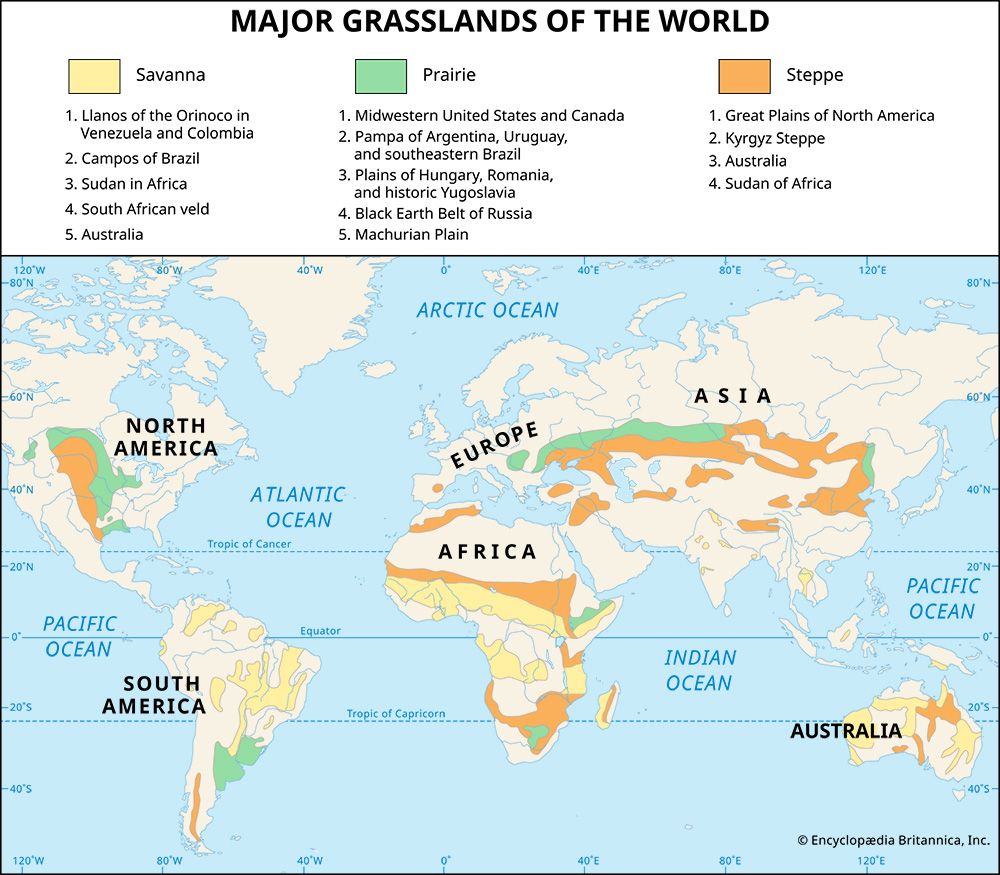
- Habitat and Behavior: Rabbits typically live in burrows within wooded or shrubby areas and rely on hiding from predators. Hares are adapted for open environments like prairies, where they are built for running and nest in simple, open depressions.12
What is the typical diet of a hare, and how does it vary across species?
Hares (genus Lepus) are almost exclusively herbivorous mammals. As members of the order Lagomorpha, they possess specialized teeth—including two rows of upper incisors—that are adapted for a plant-based diet.34
Because hares are widespread across diverse environments, including North American deserts, boreal forests, and various regions of Europe, Asia, and Africa, their specific diet is largely determined by the vegetation available in their local habitat. Their feeding habits can have a significant ecological impact; when hare populations are high, they are known to cause substantial damage to natural vegetation and agricultural crops.3
It is important to distinguish these lagomorphs from the spring hare, which is a rodent rather than a true hare. Unlike the herbivorous Lepus species, the spring hare is known to supplement its primary diet of grass and roots with insects, such as locusts, in addition to consuming cultivated crops.5
How have hares been portrayed in various cultures and folklore throughout history?
Throughout history, the hare has occupied a prominent place in global folklore, often serving as a symbol of fertility, swiftness, or cleverness. Its portrayal varies significantly across cultures, ranging from a sacred figure to a mischievous trickster.
The Hare as a Trickster
In many oral traditions, the hare is a quintessential trickster. In North America, the “Great Hare” or “Master Rabbit” appears in the folklore of Northeast and Southeast Indigenous peoples as a clever protagonist who often uses guile to overcome stronger opponents. This tradition merged with African trickster tales—which also featured the hare as a small but cunning underdog—to produce the well-known Brer Rabbit character in the American South. These stories typically highlight the hare’s ability to outsmart larger, more powerful adversaries through wit and charm.89
Religious and Symbolic Significance
Beyond the trickster archetype, the hare has held deep religious meaning:
- Fertility and Rebirth: Due to their prolific breeding and spring mating behaviors, hares have long been associated with fertility and new life. Neolithic cultures in Europe placed hares in ritual burials, likely as symbols of rebirth.10
- Divination and War: In ancient Britain, the Iceni queen Boudicca used the hare for divination before battle, associating the animal with the war goddess Andraste.10
- Love and Lust: In ancient Greece, the hare was linked to Aphrodite and Eros, serving as a symbol of unquenchable lust.10
Modern Traditions
The hare’s historical association with spring and fertility eventually evolved into the modern Easter Bunny. While the connection between the hare and the Christian festival of Easter was solidified through 17th-century English and German folk traditions—where the “Easter hare” was said to hide eggs—the practice of associating the animal with eggs and new life draws upon much older, pre-Christian roots. Additionally, the hare’s reputation for speed remains a fixture in Western culture, most notably in Aesop’s fable of the tortoise and the hare.1011
What are the different species of hares found around the world?
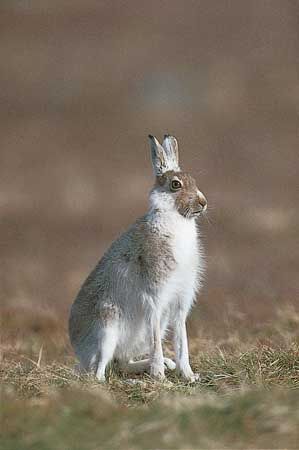
There are approximately 30 species of hares, all belonging to the genus Lepus within the family Leporidae. While often confused with rabbits, hares are distinct, generally possessing longer ears, longer hind feet, and larger bodies.3
Because common names can be misleading—such as the “jackrabbit,” which is biologically a hare, or the “hispid hare,” which is actually a rabbit—it is important to rely on scientific classification. Notable species include:3
- European Hare (L. europaeus): A typical species found across central and southern Europe, the Middle East, and parts of Asia.3
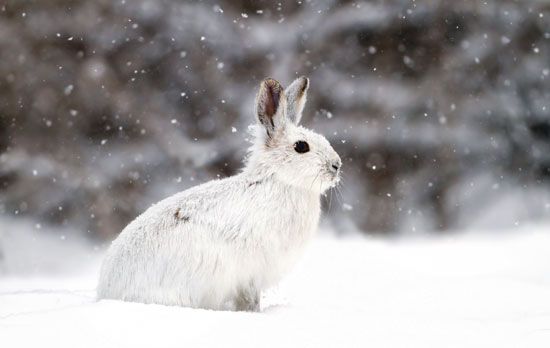
- Snowshoe Hare (L. americanus): The smallest member of the genus, known for its dramatic population cycles in North American boreal forests.3
- Arctic Hare (L. arcticus): Adapted for life in the far north.3
- Mountain Hare (L. timidus): Found in northern regions of Asia.3
- Jackrabbits: Including the black-tailed jackrabbit (L. californicus) and antelope jackrabbit (L. alleni), which inhabit North American deserts.3
- Endangered Species: These include the Tehuantepec jackrabbit (L. flavigularis), the broom hare (L. castroviejoi), and the Hainan hare (L. hainanus).3
Sources
- What’s the Difference Between Rabbits and Hares? — Encyclopædia Britannica
- rabbit — Encyclopædia Britannica
- hare — Encyclopædia Britannica
- spring hare — Encyclopædia Britannica
- What's the difference between a rabbit and a hare? — Merriam-Webster
- bobcat: Top Questions — Encyclopædia Britannica
- Canada lynx - Diet — Encyclopædia Britannica
- Trickster tale — Encyclopædia Britannica
- Did you know? — Merriam-Webster
- What Does the Easter Bunny Have to Do with Jesus? — Encyclopædia Britannica
- Coyote — Encyclopædia Britannica
- mountain hare — Merriam-Webster
Published on · 4 min read