Monk Fruit
Monk fruit (Siraitia grosvenorii) is a perennial, herbaceous, tuberous vine native to the humid subtropical mountain forests of southern China. The plant…
What is Monk fruit?
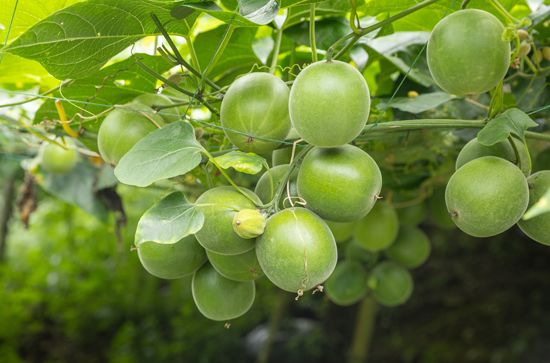
Monk fruit (Siraitia grosvenorii) is a perennial, herbaceous, tuberous vine native to the humid subtropical mountain forests of southern China. The plant belongs to the Cucurbitaceae family, and its fruit is a small, melon-like gourd.12
The fruit is primarily valued for its extracts, which serve as natural, zero-calorie sweeteners. These extracts contain compounds called mogrosides, which are 100–250 times sweeter than sugar. Because mogrosides are not absorbed or processed for energy by the human digestive system, they do not raise blood glucose levels.2
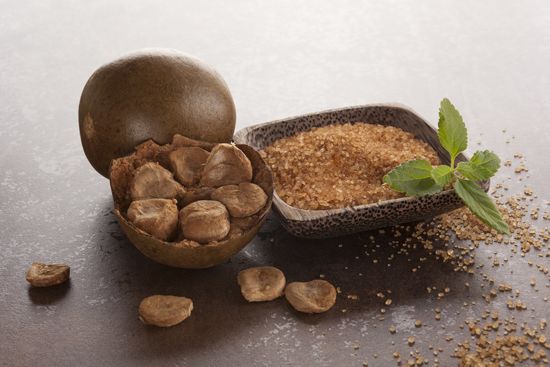
Traditionally, the fruit is dried rather than eaten fresh due to its tendency to rot quickly after harvest. In addition to its culinary use as a sugar substitute, monk fruit has a long history in traditional Chinese medicine for treating conditions such as coughs and sore throats. While the U.S. Food and Drug Administration considers the extract “generally recognized as safe,” regulatory status varies globally.2
What are mogrosides and how do they create sweetness?
Mogrosides are a group of chemical compounds known as cucurbitane-type triterpene glycosides found in the fruit of the monk fruit plant (Siraitia grosvenorii). They are the primary components responsible for the fruit’s intense sweetness, with mogroside V being the most significant contributor.2
These compounds create sweetness through their unique molecular structure, which interacts with taste receptors to provide a flavor profile that is 100–250 times sweeter than conventional sugar.2
A key characteristic of mogrosides is how they interact with the human digestive system:
- Non-caloric: Because they are not absorbed or processed for energy by the body, they do not contribute calories to the diet.2
- Blood Sugar Stability: They do not cause an increase in blood glucose levels, making them a popular alternative for those managing sugar intake.2
How does the cultivation of monk fruit differ from other crops?
The cultivation of monk fruit (Siraitia grosvenorii) involves specific requirements that distinguish it from many common agricultural crops:
- Growth Habit and Support: As a climbing geophyte, the plant is a perennial vine that typically grows 3–5 meters tall but can reach up to 15 meters. Unlike low-growing crops, it requires adequate structural support to climb effectively.1
- Climate Sensitivity: The plant is native to humid subtropical mountain forests and is highly sensitive to temperature. It thrives in a narrow range of 16–20 °C (61–68 °F) and cannot tolerate frost, which limits its cultivation to specific geographic regions, primarily in southern China.1
- Reproductive Biology: Monk fruit plants are dioecious, meaning male and female flowers grow on separate plants. This necessitates careful management to ensure successful pollination and fruit set.1
- Soil and Environment: The plant requires well-drained, fertile, loamy soil with a specific pH range of 6–6.5 and a balanced exposure to both sun and shade.1
What are some other natural, non-caloric sugar substitutes?
Beyond monk fruit, there are several other natural, non-caloric or low-calorie sugar substitutes derived from plants. These substances are often categorized as nonnutritive sweeteners because they are not significantly metabolized by the body for energy.34
- Stevia: Extracted from the leaves of the South American plant Stevia rebaudiana, this is one of the most popular natural alternatives. It contains compounds such as stevioside and rebaudioside A, which can be over 300 times sweeter than sucrose. While it is widely used, some consumers report a bitter or metallic aftertaste.325
- Thaumatin: This is a protein extracted from the Thaumatococcus danielli plant, native to western Africa. It is known for its intense sweetness and is often used in combination with other ingredients, such as monosodium glutamate, in various food products and chewing gum.3
While these natural options offer a way to reduce caloric intake, they often lack the functional properties of sugar, such as the ability to provide bulk, texture, or moisture in baked goods. Additionally, research into the long-term health effects of these sweeteners, including their impact on gut health, remains an ongoing area of study.342
Sources
- Monk fruit: Top Questions — Encyclopædia Britannica
- Monk fruit — Encyclopædia Britannica
- sweetener — Encyclopædia Britannica
- stevia (sweetener) — Encyclopædia Britannica
- food additive - Sweeteners — Encyclopædia Britannica
Published on · 3 min read