Stevia
While stevia is widely used as a nonnutritive, noncaloric sugar replacement, there are several health considerations and potential side effects associated…
Are there any potential side effects or concerns associated with using stevia?
While stevia is widely used as a nonnutritive, noncaloric sugar replacement, there are several health considerations and potential side effects associated with its consumption:
- Pregnancy and Nursing: Health cautions exist for pregnant or nursing women, as the impact of stevia on birth weight and other developmental factors remains poorly documented.1
- Digestive and Metabolic Concerns: Because stevia is poorly absorbed by the body, it may negatively affect the growth of healthy gut microbiota. Additionally, some research suggests it may increase levels of short-chain fatty acids in the colon, which have been linked to higher levels of body fat and obesity.1
- Gastrointestinal Symptoms: Refined stevia is associated with nausea in a significant percentage of consumers.1
- Historical Context: Early in its commercial history, stevia faced regulatory scrutiny, including an initial ban in the United States due to concerns regarding potential carcinogens, though specific glycoside extracts were later approved.2
While some studies suggest potential therapeutic properties for stevioside, more clinical research is required to confirm these benefits.1
How does stevia compare to other natural and artificial sweeteners in terms of taste and health impact?
Stevia is a nonnutritive, plant-derived sweetener that is approximately 300 times sweeter than sucrose. When compared to other sweeteners, its profile is distinct in both taste and health impact:13
Taste and Culinary Use
- Stevia: Often noted for a potentially bitter or metallic aftertaste.45
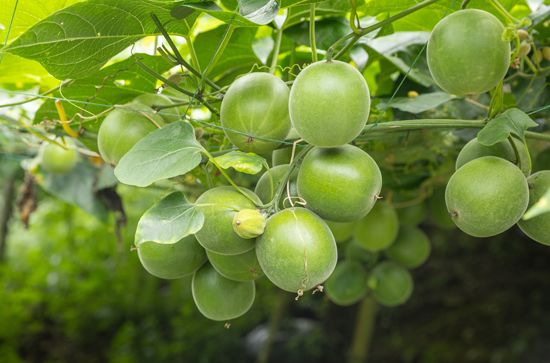
- Monk Fruit: Unlike stevia, monk fruit extract does not typically leave a bitter or metallic aftertaste, though it is generally more expensive and less accessible.45
- Artificial Sweeteners: Compounds like aspartame, saccharin, and acesulfame potassium offer varying levels of sweetness (ranging from 30 to 500 times that of sugar) and stability. Unlike sugar, most nonnutritive sweeteners—including stevia—lack the functional properties of sucrose, such as providing bulk, texture, and browning in baked goods.3
Health Impact
- Metabolic Effects: Both stevia and monk fruit are non-caloric and do not raise blood glucose levels. However, stevia is poorly absorbed by the body, which may negatively impact healthy gut microbiota and has been linked in some studies to increased short-chain fatty acids in the colon, potentially contributing to body fat.51
- Safety and Regulation: While stevia is widely approved, it carries cautions for pregnant or nursing women due to limited data. Artificial sweeteners have faced more rigorous toxicological scrutiny; for instance, cyclamates were banned in several countries due to suspected carcinogenicity, and saccharin requires warning labels in some jurisdictions.163
How is stevia commercially processed and what forms is it available in?
Stevia is derived from the leaves of the Stevia rebaudiana plant, which contains sweet-tasting compounds known as steviol glycosides, primarily stevioside and rebaudioside A.12
Commercial Processing and Forms
The processing of stevia involves extracting these glycosides from the plant leaves to create a highly refined, nonnutritive sweetener. While the leaves themselves have been used traditionally in their fresh or dried states to sweeten beverages like yerba mate, commercial production focuses on isolating the sweet compounds.12
The primary commercial forms include:
- Powdered Sweeteners: The leaves are processed into a concentrated, noncaloric powder.2
- Refined Extracts: These are the forms typically found in commercial products, which are classified by the Food and Drug Administration as nonnutritive sweeteners.1
These extracts are significantly more potent than sucrose, often exceeding 300 times the sweetness of table sugar, and are valued for being nonglycemic.12
What is stevia and where does it originate from?
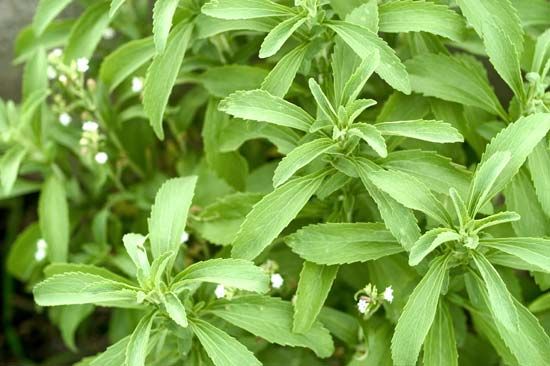
Stevia (Stevia rebaudiana) is a tender perennial herb belonging to the aster family. It is primarily cultivated for its leaves, which contain sweet-tasting compounds known as steviol glycosides. These compounds, particularly stevioside and rebaudioside A, are over 300 times sweeter than table sugar and are valued for being nonglycemic, meaning they do not raise blood glucose levels.2
The plant is native to Paraguay, where the Guaraní people have utilized it for over 1,500 years. Traditionally, the leaves were used to sweeten yerba mate and other teas, as well as for various applications in folk medicine. While it was scientifically documented by botanist Moisés Santiago Bertoni in 1899, it did not gain widespread global popularity as a commercial noncaloric sweetener until the early 21st century.2
Sources
- stevia (sweetener) — Encyclopædia Britannica
- Stevia — Encyclopædia Britannica
- Monk fruit: Top Questions — Encyclopædia Britannica
- Monk fruit — Encyclopædia Britannica
- food additive - Toxicological testing and health concerns — Encyclopædia Britannica
- sweetener — Encyclopædia Britannica
Published on · 3 min read