Moonrat
The moonrat (Echinosorex gymnura) is a large Southeast Asian insectivore that is physically similar to a primitive hedgehog, though it possesses fur rather…
What are the physical characteristics of a moonrat?
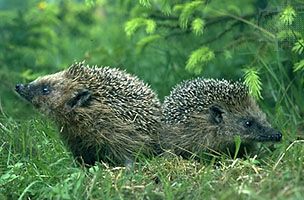
The moonrat (Echinosorex gymnura) is a large Southeast Asian insectivore that is physically similar to a primitive hedgehog, though it possesses fur rather than spines. Despite its name, it is not a rodent.1
Key physical characteristics include:
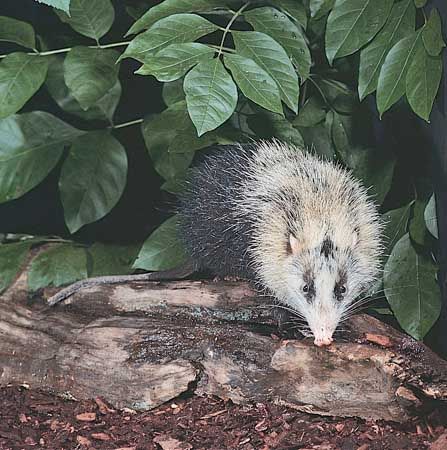
- Body Size and Shape: They weigh up to 1.4 kg (3 pounds) with a body length of 26 to 45 cm (10.2 to 17.7 inches). They have a slim build, a tapered muzzle with long whiskers, and a mobile snout used for probing for food.1
- Fur and Coloration: The animal features shaggy, coarse fur consisting of dense underfur and long overhairs. While coloration varies by region—with some individuals being entirely white or gray—the typical moonrat has a black body, legs, and feet, with a white head and shoulders marked by black patches around the eyes and ears.1
- Tail: The tail is shorter than the body (17 to 29 cm) and appears hairless and scaly. It is typically blackish for the first half and white toward the tip.12
- Scent: Moonrats are malodorous, possessing anal glands that emit a strong scent resembling ammonia or rotten garlic.1
How long do moonrats typically live in the wild versus in captivity?
Sorry, the Britannica knowledge base does not contain this information.
What are the main predators of moonrats?
Sorry, the Britannica knowledge base does not contain information regarding the specific predators of the moonrat.
What is the diet of a moonrat, and how does it find food?
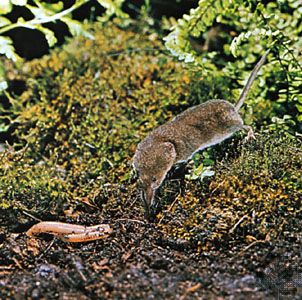
The moonrat (Echinosorex gymnura) is a specialized insectivore that primarily consumes earthworms and arthropods. Its diet may also include snails, crabs, small vertebrates, and fruit.1
When foraging, the moonrat utilizes its long, mobile snout and sensitive whiskers to detect prey within leaf litter and rotten tree trunks. It probes and scratches at these surfaces to uncover food, capturing and manipulating its prey entirely with its mouth.1
Because moonrats are semi-aquatic, they also forage in shallow water, where they keep their whiskers submerged to locate aquatic insects and freshwater mollusks. While they are capable of swimming and diving, and have been observed eating small fish in captivity, fish have not been confirmed in the stomachs of wild specimens.1
Sources
- moonrat — Encyclopædia Britannica
- moonrat — Merriam-Webster
Published on · 2 min read