Insectivore
Yes, there are several endangered insectivorous mammal species. While the term "insectivore" historically referred to a specific group of mammals—including…
Are there any endangered insectivorous mammal species?
Yes, there are several endangered insectivorous mammal species. While the term “insectivore” historically referred to a specific group of mammals—including shrews, moles, hedgehogs, tenrecs, and solenodons—many other mammals, such as pangolins, also subsist primarily on insects.12
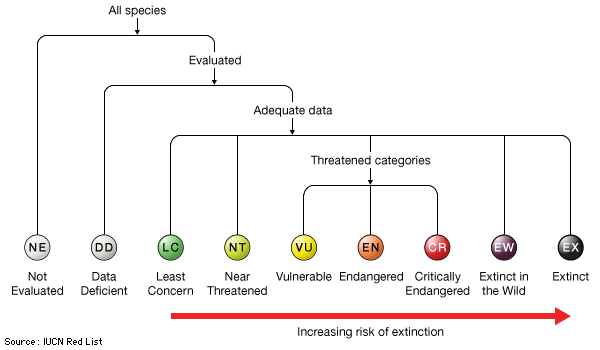
Conservation status for these animals is often dire due to human activities like habitat loss, poaching, and the introduction of invasive species. Notable examples include:34
- Pangolins: All eight species are threatened. The Chinese pangolin, the Sunda pangolin, and the Philippine pangolin are classified as critically endangered, while others are listed as endangered or vulnerable.2
- Long-beaked echidnas: These insect-eating monotremes are also at risk. The western long-beaked echidna and Sir David’s long-beaked echidna are both considered critically endangered due to hunting and habitat loss.5
Protecting these species is a moral imperative, as their decline is largely driven by human-induced environmental destruction and overexploitation.34
What are some examples of well-known insectivorous mammals?
Many mammals are insectivorous, meaning they subsist primarily on insects, other arthropods, and earthworms. While the term “Insectivora” was once used as a formal taxonomic order, it is now considered obsolete, though the name is still used informally to describe a specific group of placental mammals.8
Lipotyphlans
The group historically referred to as insectivores, now known as the grandorder Lipotyphla, includes several well-known families:8
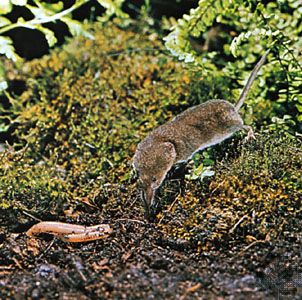
- Shrews: Small, voracious mammals that sometimes consume twice their body weight in food daily to maintain their high metabolism.89
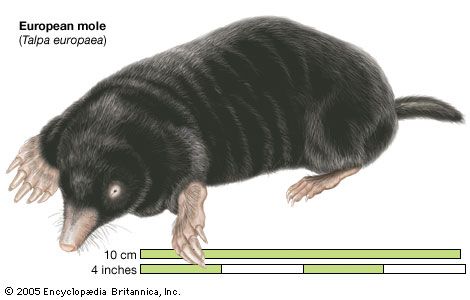
- Moles: Specialized burrowers that feed on invertebrates found in the soil.8
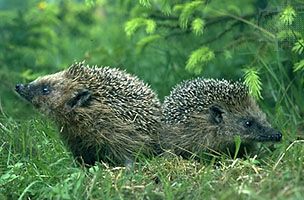
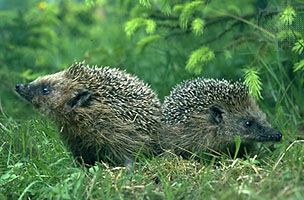
- Hedgehogs: Known for their protective spines, these animals are primarily ground-dwelling insectivores.8
- Solenodons and Tenrecs: Diverse groups that include various species adapted to different environments, from forest floors to amphibious lifestyles.8
Other Insectivorous Mammals
Many other mammals have evolved to specialize in eating insects, often displaying similar physical traits—such as elongated skulls and sticky, wormlike tongues—through a process called convergent evolution. These include:10
- Anteaters: Specialized mammals like the giant anteater and tamandua that feed almost exclusively on ants and termites.110
- Pangolins: Often called scaly anteaters, these mammals are highly specialized for an insect-based diet.10
- Aardvarks: African mammals with tubular muzzles adapted for consuming ants and termites.110
- Echidnas: Monotremes that, despite being distantly related to other insectivores, have evolved similar features for myrmecophagy (ant-eating).110
- Bats: A large portion of microchiropteran bats are insectivorous, using echolocation to hunt prey in flight.79
What are some unique behaviors observed in insectivorous mammals?
Insectivorous mammals exhibit a variety of unique behaviors shaped by their specialized diets and environmental niches. These adaptations often involve sophisticated sensory systems, metabolic strategies, and defensive mechanisms.
Sensory and Hunting Adaptations
- Echolocation: Many microchiropteran bats use high-frequency sound pulses to navigate and hunt. By interpreting returning echoes, they can identify the distance, velocity, and size of prey. During the “terminal phase” of an insect pursuit, these bats can increase their pulse rate to over 200 pulses per second to precisely intercept moving targets.11
- Myrmecophagy: Animals specialized for eating ants and termites, such as anteaters, pangolins, and aardvarks, share convergent traits like elongated skulls and wormlike, extensible tongues used to extract prey from nests.7
Metabolic and Physical Strategies
- High Metabolism: Shrews possess an incredibly high metabolic rate to compensate for heat loss. Some species must consume up to twice their body weight in food daily to survive.12
- Defensive Curling: Hedgehogs utilize a specialized muscle that allows them to curl into a protective ball, shielding their soft underparts with their spines when threatened.10
- Anointing Behavior: Hedgehogs also exhibit a mysterious behavior known as “self-anointing,” where they lick or chew unfamiliar substances to produce frothy saliva, which they then spread over their spines. The purpose of this behavior remains unknown.10
What are insectivores and which mammalian groups are considered insectivores?
An insectivore is any animal or plant that subsists primarily on insects, other arthropods, and earthworms. While the term “Insectivora” was historically used as a formal taxonomic order for certain mammals, it is now considered obsolete in professional mammalogy.8147
The Grandorder Lipotyphla
Today, the mammals formerly grouped as “insectivores” are classified into the grandorder Lipotyphla. These animals are often referred to as lipotyphlans or, informally, as insectivores. This group includes approximately 450 species divided into three orders:7
- Order Chrysochloridea: Includes golden moles.7
- Order Erinaceomorpha: Includes hedgehogs, gymnures, the moonrat, and sometimes moles.7
- Order Soricimorpha: Includes solenodons, true shrews, tenrecs, and true moles.7
Other Insectivorous Mammals
Beyond the Lipotyphla, many other mammals have evolved to specialize in an insect-based diet, though they are not part of this specific group. Notable examples include:87
- Bats: A majority of microchiropteran bats are insectivorous, often using echolocation to hunt.107
- Myrmecophagous Mammals: Various mammals have evolved specialized traits—such as elongated skulls and sticky, wormlike tongues—to feed on ants and termites. These include anteaters, pangolins, aardvarks, echidnas, and the numbat10.
Sources
- insectivore — Encyclopædia Britannica
- pangolin — Encyclopædia Britannica
- giant wētā: Top Questions — Encyclopædia Britannica
- extinction — Encyclopædia Britannica
- critically endangered species — Encyclopædia Britannica
- echidna — Encyclopædia Britannica
- mammal - Food habits — Encyclopædia Britannica
- Did you know? — Merriam-Webster
- anteater — Encyclopædia Britannica
- mammal - Teeth — Encyclopædia Britannica
- bat - Orientation — Encyclopædia Britannica
- shrew - Form and function — Encyclopædia Britannica
- hedgehog — Encyclopædia Britannica
- insectivore — Merriam-Webster
Published on · 4 min read