Gymnure
Gymnures are a group of eight species of hedgehog-like mammals belonging to the subfamily Galericinae. Unlike true hedgehogs, they lack spines, possessing…
What are some of the different species of gymnures, and how do they differ?
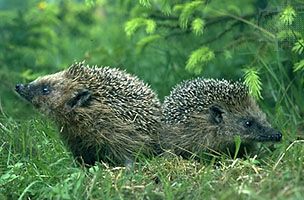
Gymnures are a group of eight species of hedgehog-like mammals belonging to the subfamily Galericinae. Unlike true hedgehogs, they lack spines, possessing instead soft, dense fur. They are generally characterized by a long, mobile snout, a slim body, and a short tail.1
The species are categorized by their geographic range and physical traits:
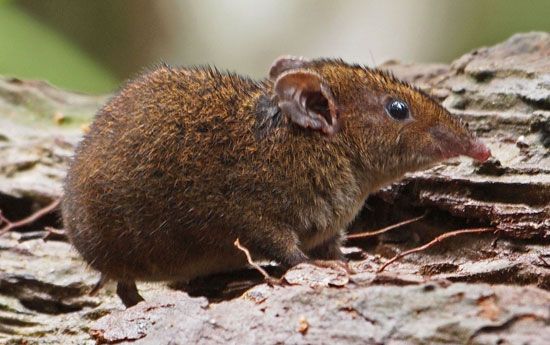
- Asian Gymnures: These include the short-tailed gymnure (Hylomys suillus), the dwarf gymnure (H. parvus), the shrew gymnure (Neotetracus sinensis), the long-eared gymnure (H. megalotis), and the Hainan gymnure (Neohylomys hainanensis). They are typically small, weighing 45 grams or less, and inhabit tropical forests.1
- Philippine Gymnures: The genus Podogymnura includes the Mindanao gymnure (P. truei), which resembles Asian species, and the larger Dinagat gymnure (P. aureospinula), which is distinguished by its spiny golden brown fur.1
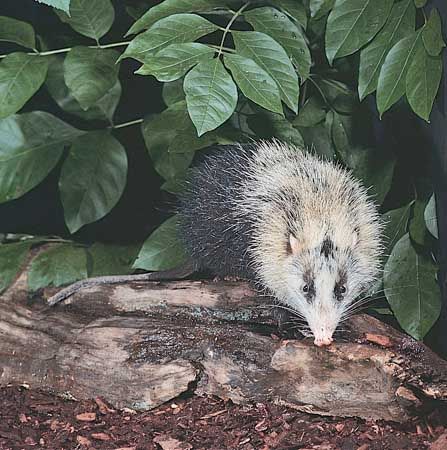
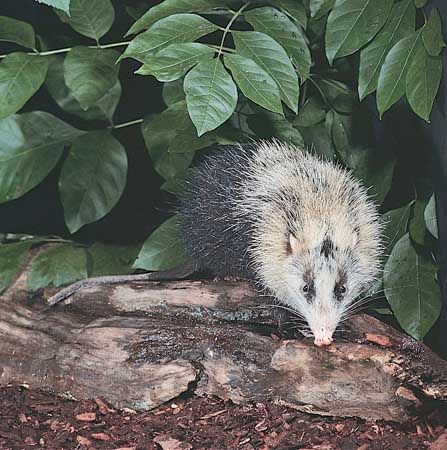
- Moonrat: The moonrat (Echinosorex gymnura) is the largest of the group, weighing up to 1.4 kg. It is often separated from other gymnures but is considered their closest living relative.12
What is the diet of a gymnure, and how does it hunt for food?
Gymnures are insectivores that primarily consume earthworms and arthropods. In addition to these staples, some species, such as the moonrat, may also eat snails, crabs, small vertebrates, and fruit.13
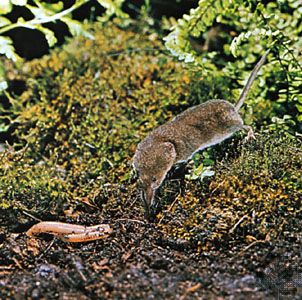
To hunt for food, gymnures utilize their long, mobile snouts and sensitive whiskers to probe through leaf litter, humus, and rotten logs. When foraging, they use their snouts to toss aside debris with jerks of the head and shoulders. Prey is detected using the sensitive tip of the snout and whiskers, and food is caught and manipulated entirely with the mouth.13
The moonrat, which is semi-aquatic, also hunts in shallow water. While foraging in water, it keeps its chin above the surface while submerging its whiskers to detect prey, such as aquatic insects and freshwater mollusks.3
What are the key physical characteristics of gymnures?
Gymnures are small, hedgehog-like mammals characterized by several distinct physical features that set them apart from their spiny relatives.
Key Physical Characteristics
- Body and Fur: Gymnures have slim bodies covered in soft, dense fur rather than spines. Their coloration typically ranges from olive brown to rusty brown, often with lighter underparts and sometimes a dark stripe along the back.
- Snout and Head: A defining feature is their long, tapered muzzle, which ends in a protruding and highly mobile snout. They possess large eyes and nearly hairless, prominent ears.
- Limbs and Tail: They have long, slender limbs and feet. Their tails are relatively short, ranging from one-fifth to one-half of their total body length, and appear mostly hairless or only scantily furred.
- Size Variation: There is significant size diversity within the group. While the moonrat can weigh up to 1.4 kg (3 pounds) and reach 45 cm in length, seven of the eight species are much smaller, weighing 45 grams or less with bodies measuring between 9 and 15 cm.
Where are gymnures typically found in the wild, and what habitats do they prefer?
Gymnures are primarily found across Southeast Asia and the Philippines. Their distribution varies by species, with populations spanning from continental Southeast Asia and southern China to various islands, including Sumatra, Java, Borneo, and parts of the Philippine archipelago.13
These animals are strictly terrestrial and typically inhabit the forest floor, where they navigate through leaf litter and humus. Their preferred habitats include:
- Tropical Rainforests: Many species dwell in lowland and mountain rainforests.13
- Mountain Forests: Several species, such as the shrew gymnure and the dwarf gymnure, are adapted to cool, damp mountain environments at elevations reaching 3,000 meters.1
- Specialized Environments: Some species are restricted to specific geological features, such as the limestone karst of Laos, while others, like the moonrat, also inhabit mangrove forests and areas near streams or rubber plantations.13
Sources
Published on · 3 min read